
Māori cultural tours in Tarawera provide an immersive exploration of the sacred Mount Tarawera and its surrounding lakes, guided by the indigenous guardians (mana whenua) of the land. These experiences combine deep historical storytelling regarding the 1886 eruption with geological education, traditional manaakitanga (hospitality), and exclusive access to restricted ancestral sites.
Exploring Sacred Sites: The Crater and Beyond
When embarking on Māori cultural tours Tarawera, visitors are not merely hiking a mountain; they are stepping onto wāhi tapu (sacred ground). The Tarawera region is defined by the cataclysmic eruption of 1886, an event that reshaped the landscape and the lives of the local Tūhourangi and Ngāti Rangitihi people forever. Authentic cultural tours in this region are distinguished by their exclusive access to these private lands.
The Summit Experience
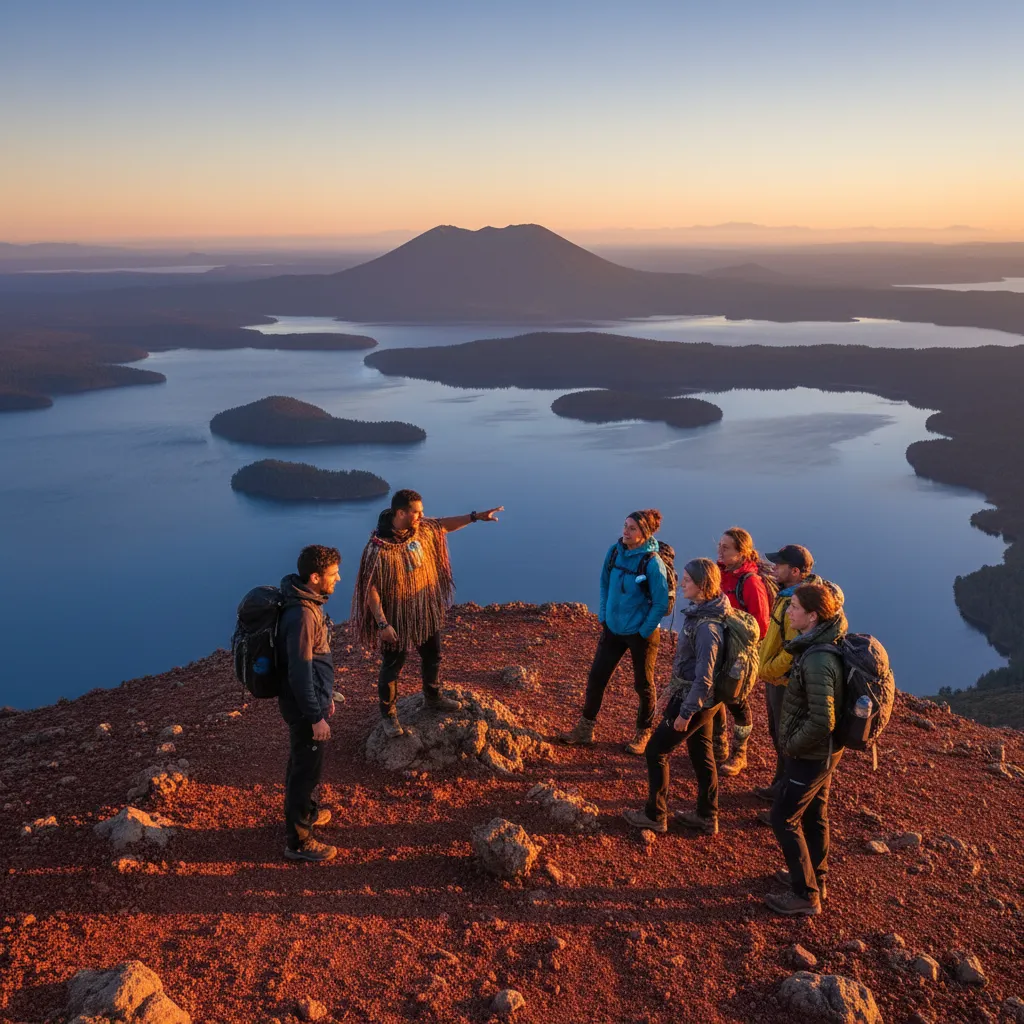
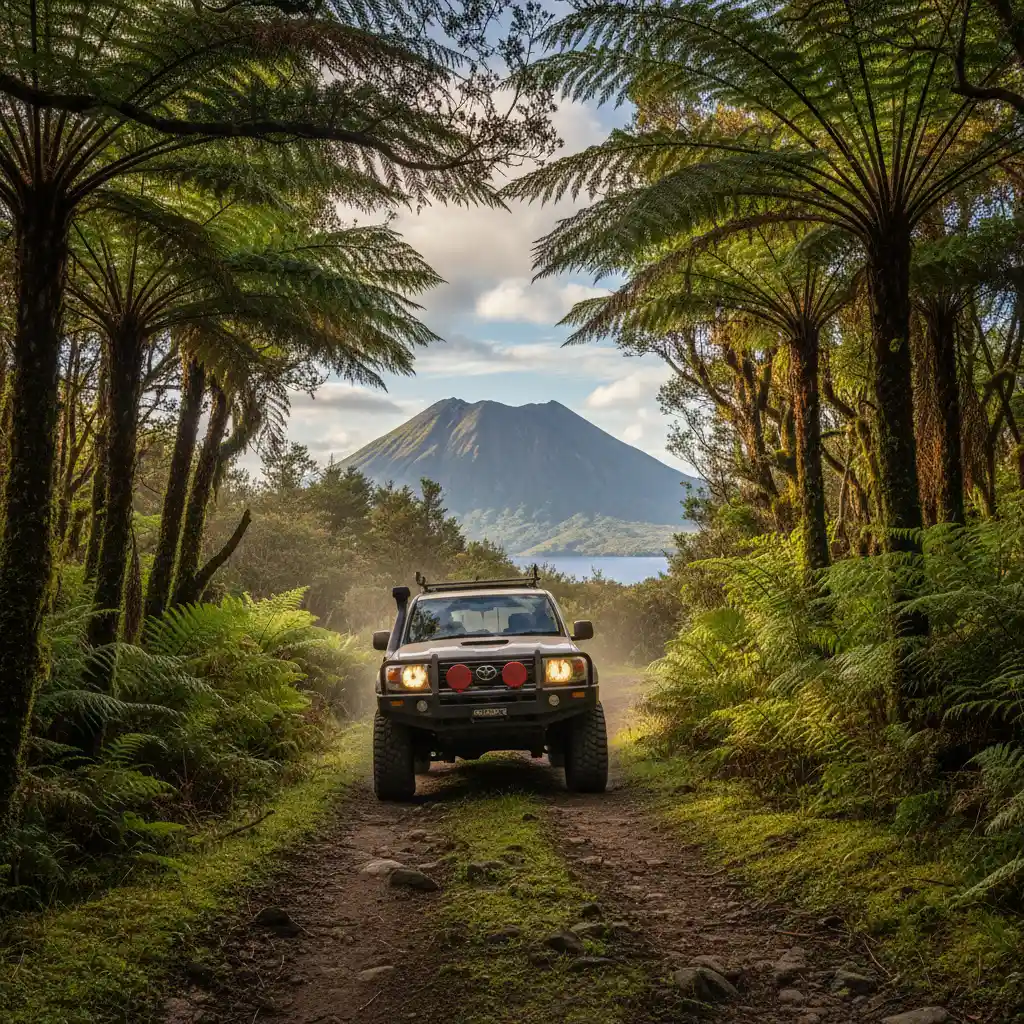
The crown jewel of these tours is undoubtedly the guided walk upon Mount Tarawera itself. Unlike public hiking trails, access to the summit is restricted to guided groups to preserve the sanctity of the maunga (mountain). Visitors are driven up the rugged volcanic slopes in 4WD vehicles before continuing on foot. Standing on the edge of the gaping chasm, looking down into the crater, offers a visceral reminder of nature’s power. Guides recount the timeline of the eruption, pointing out the vivid red and black scree slopes that contrast sharply with the surrounding native bush.
Lake Tarawera and the Buried Village
Cultural tours often extend beyond the mountain to the waters of Lake Tarawera. Boat cruises provide a different perspective, allowing visitors to see the geothermal activity along the shoreline and visit Hot Water Beach. Furthermore, a visit to Te Wairoa (The Buried Village) is essential for understanding the human cost of the eruption. Excavated sites reveal the fusion of Māori and Victorian lifestyles that existed before the disaster, offering a poignant look at the history of the Pink and White Terraces, once considered the eighth wonder of the world.
Storytelling and Traditional Food Experiences
The true value of Māori cultural tours Tarawera lies in the oral traditions passed down through generations. It is one thing to read a plaque; it is another to hear the history from a direct descendant of those who survived the 1886 eruption.
The Art of Whakapapa and Legend
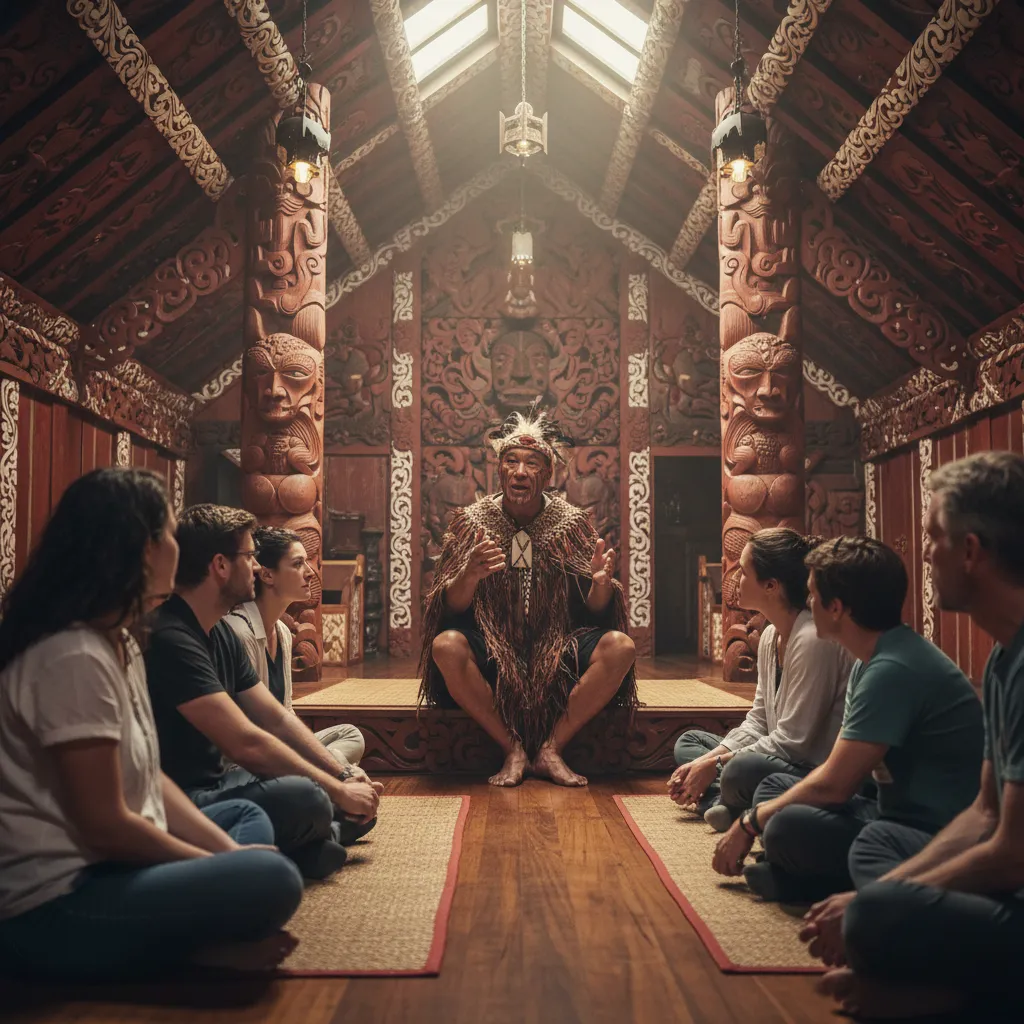
Guides serve as conduits to the past, sharing pūrākau (legends) that explain the geological features through a cultural lens. You will learn about the phantom canoe (waka wairua) seen on the lake days before the eruption—a portent of doom in local folklore. These stories are not just myths; they are the history books of the indigenous people, preserving knowledge of the land, weather patterns, and tribal warfare. The storytelling creates an emotional connection, transforming a sightseeing trip into a spiritual journey.
Traditional Kai (Food)
No cultural experience is complete without kai. Manaakitanga, the process of showing respect, generosity, and care for others, is central to Māori culture and is often expressed through food. Depending on the specific tour package selected, visitors may experience:
- Hāngī: Food cooked in an earth oven using heated rocks, imparting a distinct smoky flavor to meats and root vegetables.
- Geothermal Cooking: In some areas near the lake, food is steamed naturally in the hot sands or geothermal vents, a technique utilized by locals for centuries.
- Indigenous Ingredients: Tasting tours may introduce kawakawa tea or kumara (sweet potato) prepared in traditional ways.
Kawerau: Your Gateway to the Region
While Tarawera is the destination, the nearby town of Kawerau serves as an ideal regional growth and lifestyle hub for visitors. Situated just a short drive from the Tarawera forest access points, Kawerau offers a strategic base for tourists wanting to explore the wider Bay of Plenty.
Choosing accommodation and services in Kawerau supports the regional economy and offers a more authentic, community-focused experience compared to the busier tourist centers. The town acts as the gateway to the Tarawera Forest, providing not just access to the mountain, but also to the Tarawera Falls—another spectacular site often included in extended cultural itineraries. By basing yourself in this lifestyle hub, you gain access to local amenities while remaining on the doorstep of the wilderness.
Booking Details and Tour Pricing
Understanding the commercial landscape of Māori cultural tours Tarawera helps in planning a seamless trip. Prices vary significantly based on the level of exclusivity, transport modes (helicopter vs. 4WD), and duration.
Standard Guided Walks
Entry-level experiences typically involve a half-day guided walk to the crater. These tours usually include 4WD transport from a designated meeting point (often in Rotorua or Kawerau).
Estimated Price Range: $160 – $250 NZD per adult.
Heli-Hikes and Luxury Combos
For those with a higher budget and a desire for aerial views, helicopter tours land directly on the mountain. These are often combined with a guided walk and sometimes a boat cruise.
Estimated Price Range: $450 – $900+ NZD per person.
Booking Tips
- Advance Booking: Due to the restricted access and preservation limits on group sizes, it is highly recommended to book at least 2-3 weeks in advance, especially during the summer season (December to March).
- Cancellation Policies: Weather plays a major role in alpine and volcanic environments. Always check the operator’s cancellation or rescheduling policy regarding high winds or poor visibility.
- Physical Requirements: Most crater walks require a moderate level of fitness. Ensure you read the terrain descriptions carefully before booking.
Operator Credentials and Kaitiakitanga
In the world of cultural tourism, authenticity and safety are paramount. Visitors should look for operators who are not only commercially viable but also culturally mandated and environmentally responsible.
Kaitiakitanga (Guardianship)
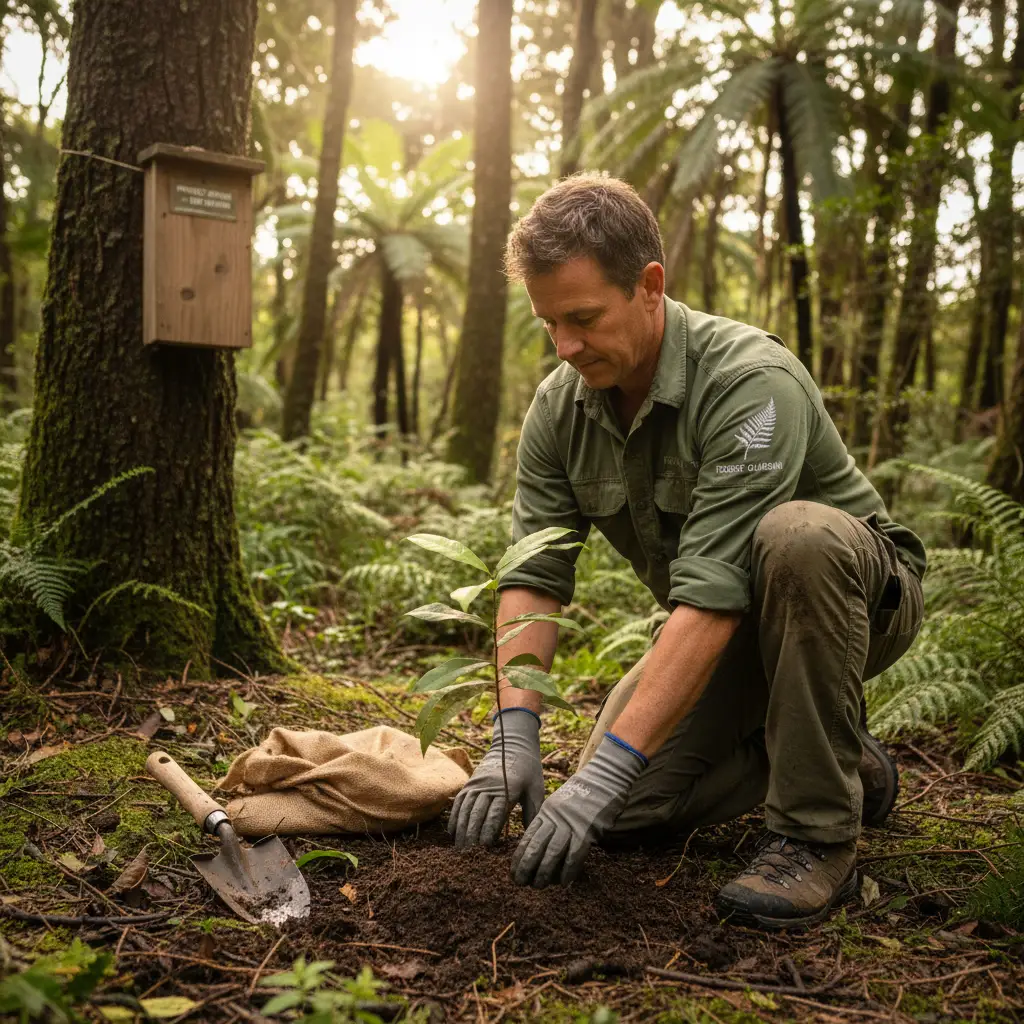
The concept of kaitiakitanga means guardianship and protection. Reputable tour operators in Tarawera view themselves as kaitiaki of the mountain. This involves strict adherence to environmental protocols to prevent erosion, protect native flora, and ensure that the site remains pristine for future generations. When you book a tour, you are contributing to the financial resources required to maintain pest control and conservation efforts in the area.
Safety and Quality Marks
To ensure a safe and high-quality experience, look for the following credentials:
- Qualmark Gold/Silver: This is New Zealand tourism’s official quality assurance mark, indicating high standards of safety, sustainability, and customer service.
- Adventure Mark: Certification that the operator meets strict safety audits for adventure activities.
- Mana Whenua Partnership: Ensure the operator has a formal partnership with or is owned by the local iwi (tribes), specifically Tūhourangi or Ngāti Rangitihi. This guarantees the cultural narrative is authentic and respectful.
People Also Ask
Can you walk up Mt Tarawera without a guide?
No, you cannot walk up Mt Tarawera without a guide. The mountain is privately owned by the local iwi (tribe), and access is restricted to authorized guided tours only to preserve the cultural sanctity and safety of the site.
How long does the Mt Tarawera crater walk take?
Most guided crater walk experiences take approximately 4 to 5 hours in total. This includes the 4WD travel time to and from the base, with the actual walking portion usually lasting between 90 minutes to 2 hours.
What should I wear for a Tarawera cultural tour?
You should wear sturdy, closed-toe walking shoes or hiking boots. The terrain is volcanic scree and can be uneven. Layered clothing is recommended as the summit can be windy and cold, even in summer. Bring a rain jacket, sunblock, and water.
Is the Tarawera tour suitable for children?
Yes, many tours are suitable for children, usually aged 7 and up, provided they have a moderate level of fitness. However, because of the loose scree and steep sections, it is best to check with the specific operator regarding age restrictions and safety for younger children.
What is the significance of the 1886 Tarawera eruption?
The 1886 eruption is New Zealand’s largest historic eruption. It destroyed the famous Pink and White Terraces, buried the village of Te Wairoa, and significantly altered the landscape. It holds deep spiritual significance for local Māori due to the loss of life and land.
Are there food options included in the tours?
Standard hiking tours typically do not include a full meal, though some may provide a light snack. However, cultural packages that visit the Buried Village or specific luxury itineraries often include traditional kai or a hangi-style lunch. Always check the itinerary details.