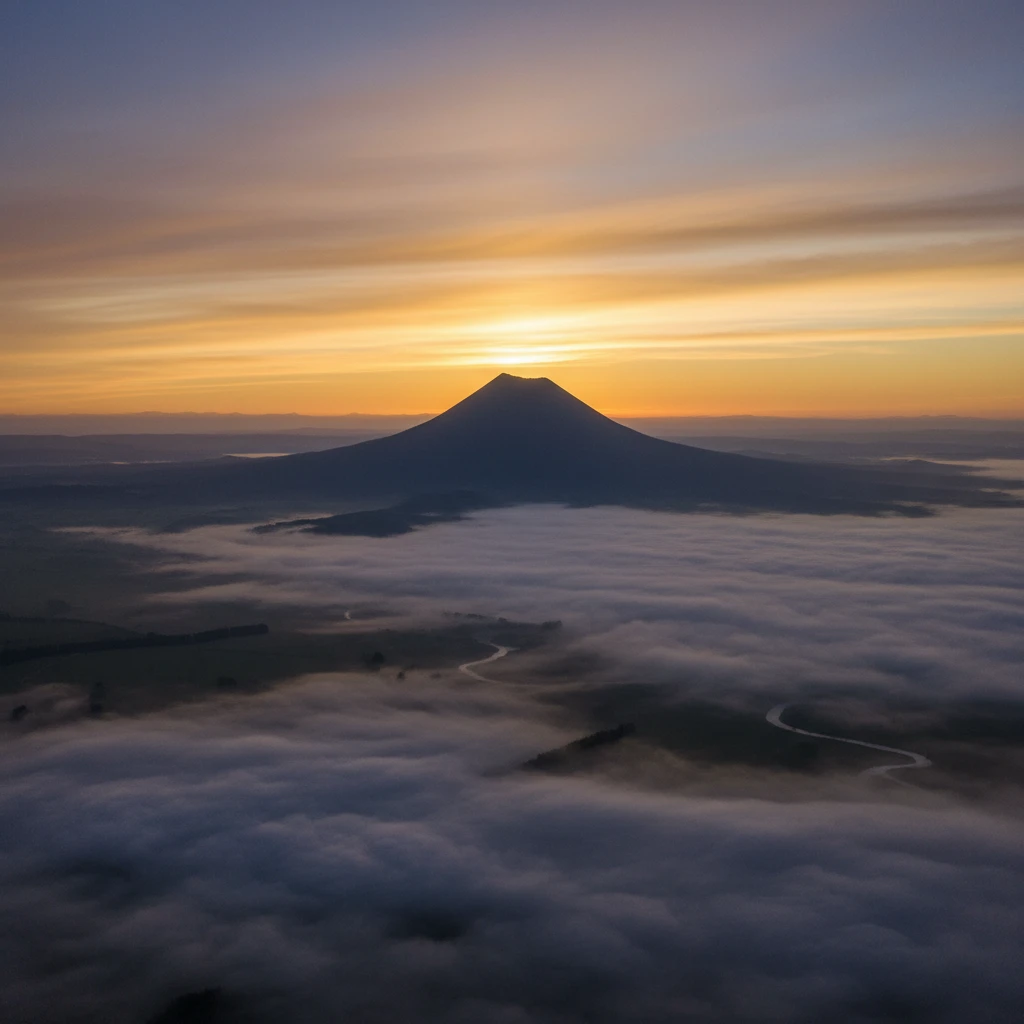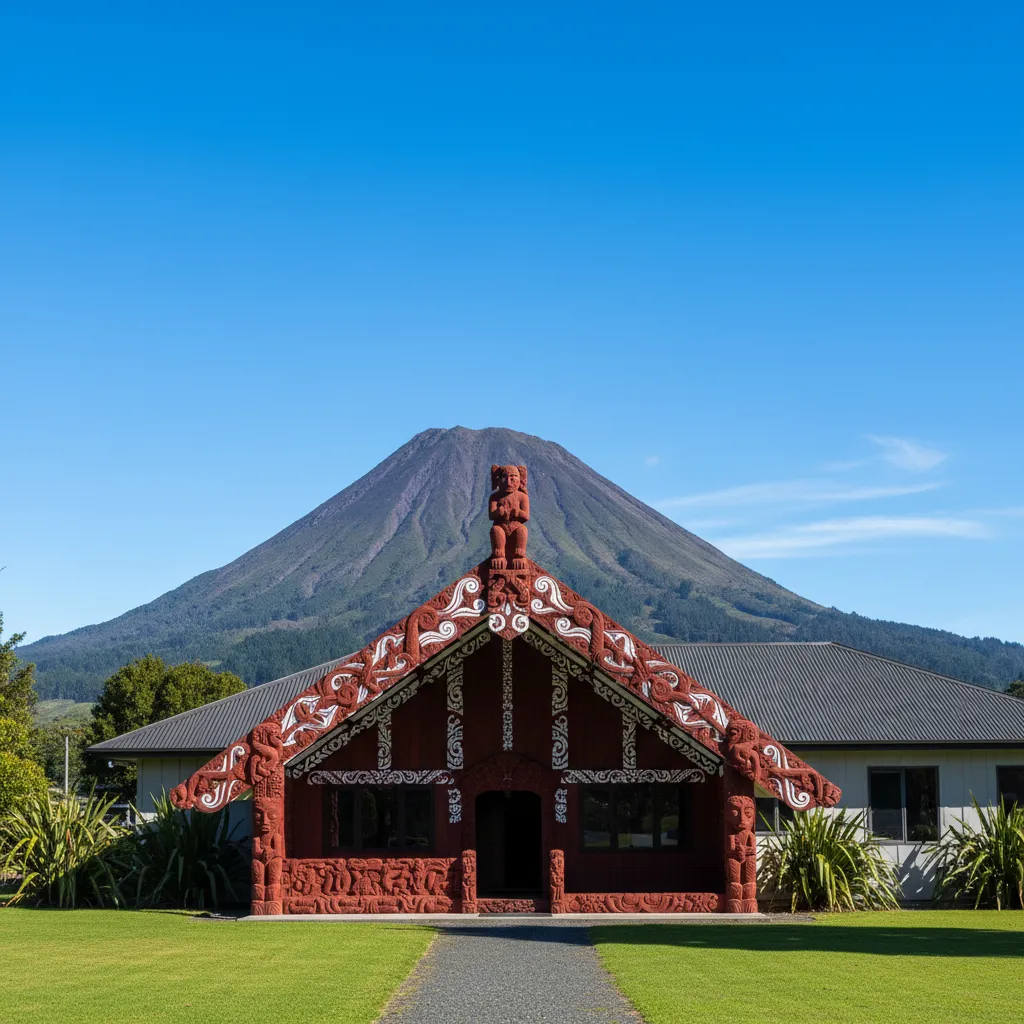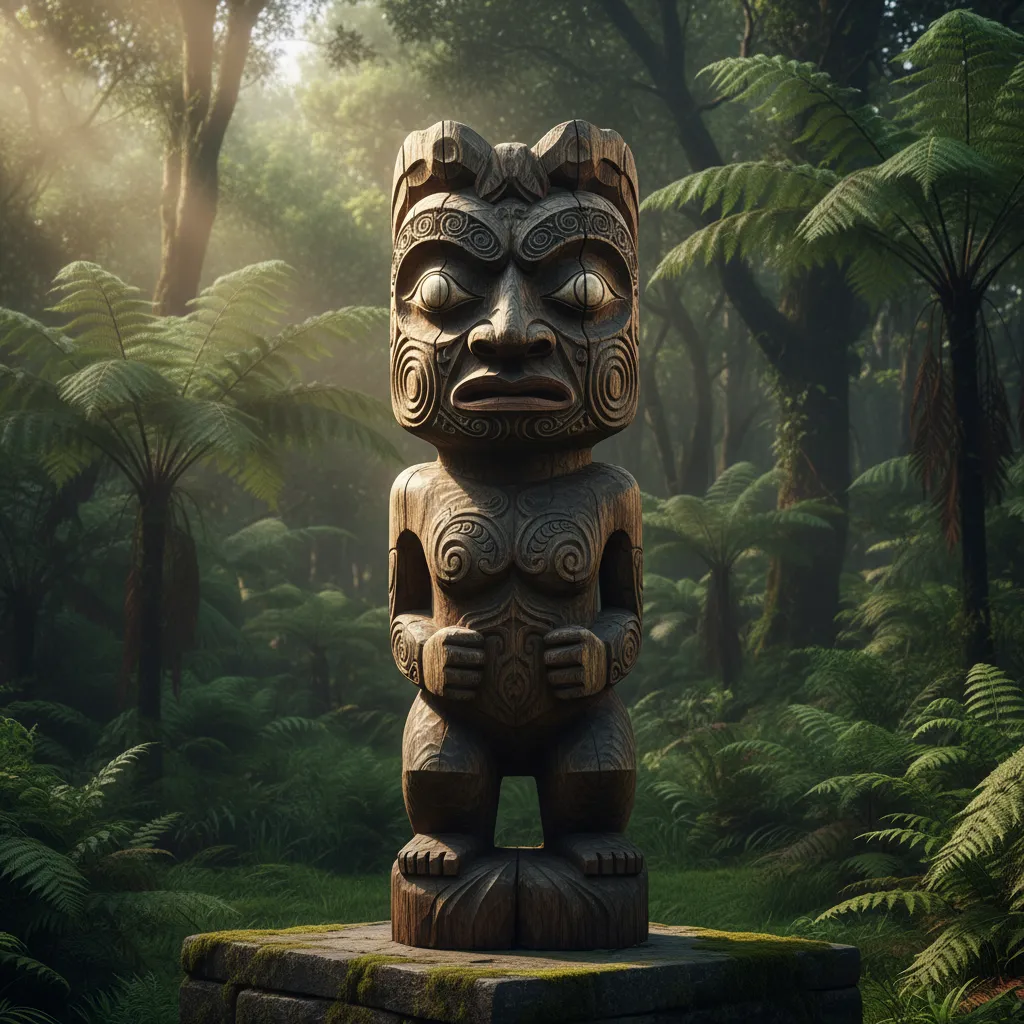
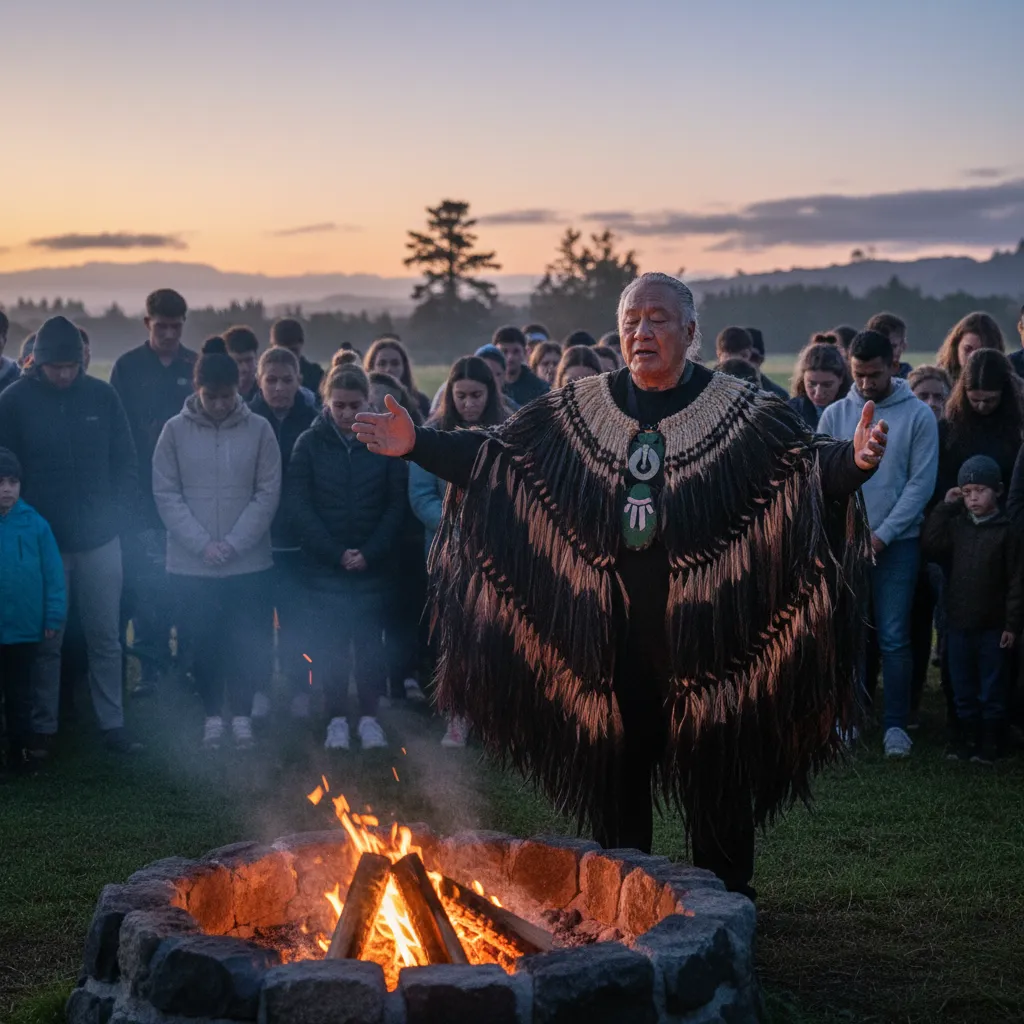
Matariki celebrations at Putauaki involve sacred dawn ceremonies (hautapu) held at the base or slopes of Mount Putauaki in Kawerau. These annual events mark the Māori New Year with traditional karakia, stargazing to predict the harvest, and community hākari (feasts), uniting local iwi and residents in cultural remembrance and renewal.
The rising of the Matariki star cluster (the Pleiades) signals a time of reflection, celebration, and preparation across Aotearoa. In the heart of the Bay of Plenty, the majestic Mount Putauaki serves as a spiritual anchor for these festivities. For the community of Kawerau and the wider region, Matariki is not merely a holiday; it is a profound reconnection with the taiao (environment) and tupuna (ancestors). The celebrations at Putauaki offer a unique blend of solemn tradition and vibrant community spirit, making it a pivotal event in the regional lifestyle calendar.
The Cultural Significance of Putauaki
To understand the depth of Matariki celebrations at Putauaki, one must first understand the mountain itself. Putauaki (Mount Edgecumbe) is the ancestral mountain of Ngāti Tūwharetoa (ki Kawerau) and holds deep significance for other local iwi. Standing at 820 meters, it dominates the landscape of the Tarawera River valley.
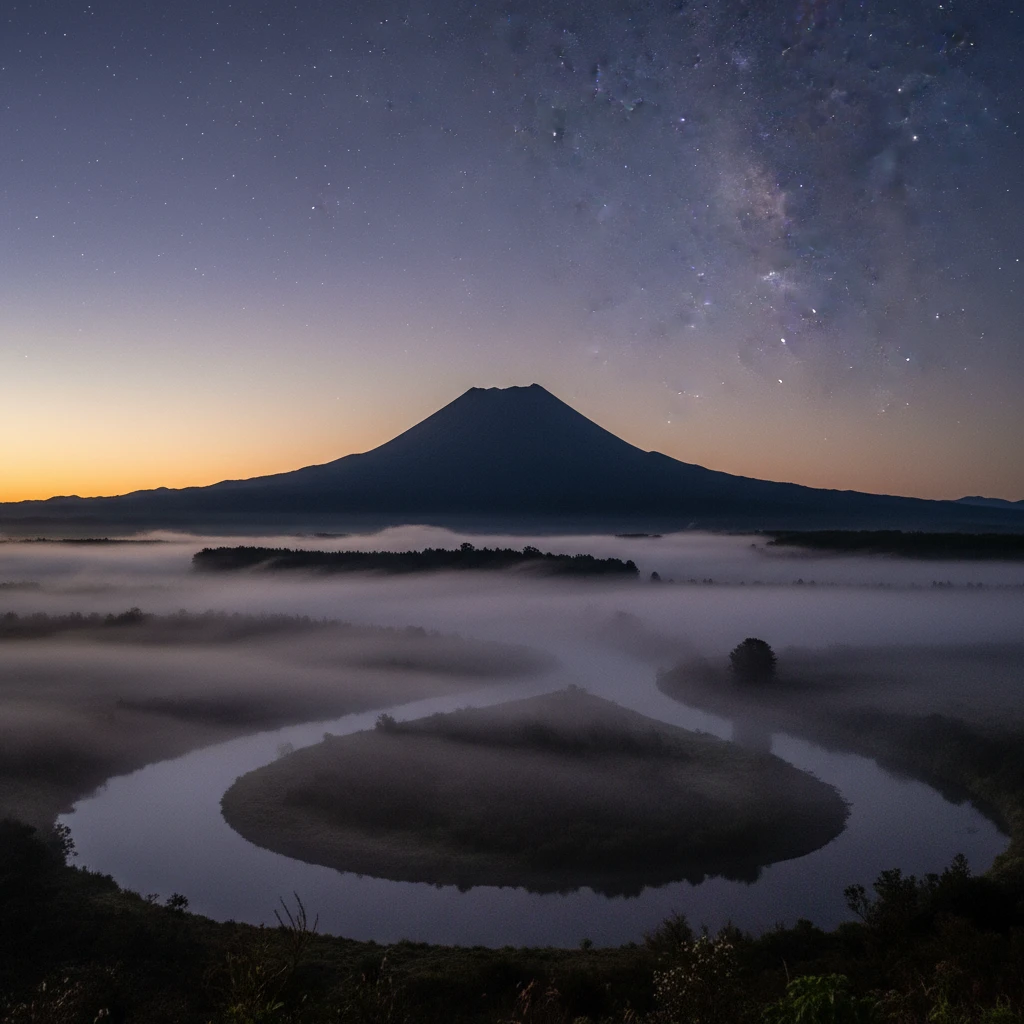
During Matariki, the mountain acts as a physical connection between the earth and the sky. In Māori tradition, high points are often used for stargazing and signaling. The silhouette of Putauaki against the pre-dawn sky provides a dramatic and spiritually charged backdrop for viewing the rise of the Matariki cluster. The celebration here is grounded in the concept of whakapapa (genealogy), linking the people of Kawerau to the land and the stars.
Traditional Dawn Ceremonies (Hautapu)
The pinnacle of the Matariki celebrations at Putauaki is the Hautapu, a traditional dawn ceremony. This involves the cooking of food in an earth oven (umu kohukohu) to feed the stars. The steam rising from the oven carries the essence of the food to Matariki as an offering.
What happens during the Hautapu?
The ceremony typically begins well before sunrise. Participants gather at a designated site near the mountain, often wrapped in warm layers to brave the crisp winter air of Kawerau. The proceedings are led by tohunga (experts) and local kaumātua (elders).
- Karakia (Incantation): Prayers are recited to acknowledge the stars, the environment, and the people who have passed away in the previous year (te hunga mate).
- Wānanga (Learning): Elders interpret the visibility of the stars. The brightness and clarity of each star in the cluster are traditionally used to predict the productivity of the coming season—whether kai (food) will be plentiful or if the weather will be harsh.
- Poroporoaki (Farewell): The names of the deceased are called out, allowing their spirits to become stars in the sky, a process known as becoming kāhui o te rangi.
This solemn observance is a powerful experience, grounding participants in the cycles of nature and the continuity of life.
Annual Matariki Event Schedule
While specific dates shift slightly each year according to the lunar calendar (maramataka), the structure of events in Kawerau generally follows a consistent pattern throughout June and July. The Kawerau District Council and local iwi organizations collaborate to produce a robust schedule designed to engage all age groups.
Typical Timeline of Activities
- Mid-June: The opening of Matariki art exhibitions at local galleries and the library, showcasing local talent interpreting the themes of renewal and stars.
- Late June (Tangaroa Phase): The main Hautapu ceremony usually aligns with the most auspicious lunar phase for viewing the stars. This is often an invitation-only or ticketed event for safety and capacity reasons if held at higher altitudes, though public viewing areas are established at the base.
- Early July: The “Matariki Civic Celebration.” This is a broader public holiday event featuring markets, music, and entertainment in the township, often at the Ron Hardie Recreation Centre or Prideaux Park.
Community Feasts and Cultural Performances
Matariki is fundamentally a time for togetherness. Following the solemnity of the dawn ceremonies, the atmosphere shifts to celebration. The concept of hākari (feasting) is central to lifting the tapu (sacredness) of the ceremony and bringing the community back to a state of noa (commonality).
The Kawerau Hākari
In Kawerau, the community feast often features a blend of traditional hāngī and contemporary cuisine. Local food vendors and community groups set up stalls offering fry bread, seafood chowder, and steamed pudding. This sharing of food is not just about sustenance; it is a ritual of hospitality (manaakitanga).
Kapa Haka and Entertainment
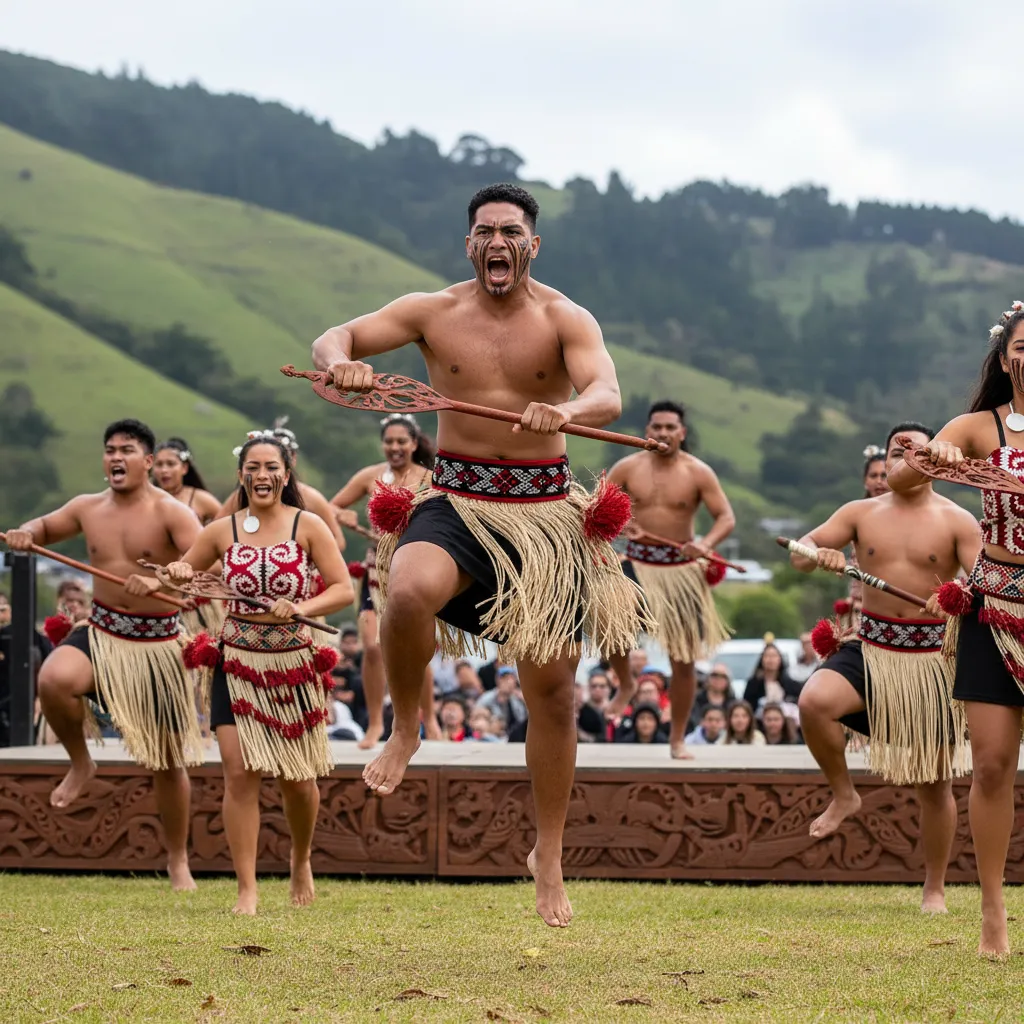
No Matariki celebration at Putauaki is complete without the roaring sounds of Kapa Haka. Schools from across the Whakatāne and Kawerau districts perform, showcasing the dedication of the tamariki (children). These performances tell stories of the ancestors, the river Tarawera, and the mountain Putauaki itself.
The rhythmic stomping and harmonious singing serve to energize the community, reinforcing cultural identity and pride. In recent years, these performances have expanded to include contemporary New Zealand music acts, bridging the gap between traditional and modern celebrations.
Stargazing and Educational Workshops
Education is a key pillar of the Matariki celebrations at Putauaki. As interest in Māori astronomy grows, local experts provide workshops to help the public identify the nine stars of Matariki and understand their individual domains.
Understanding the Stars
Workshops often take place at the Firmin Lodge or local community halls, followed by guided outdoor viewing sessions. Participants learn about:
- Matariki: The mother star, signifying reflection and connection.
- Pōhutukawa: Connected to those who have passed on.
- Tupuānuku & Tupuārangi: Connected to food grown in the ground and food from the sky (birds, berries).
- Waitī & Waitā: Connected to fresh water and salt water food sources.
- Waipunarangi & Ururangi: Connected to rain and wind.
- Hiwa-i-te-rangi: The wishing star, to whom dreams for the new year are sent.
Given Kawerau’s location away from the intense light pollution of major cities, the visibility of the night sky is often spectacular. Telescopes are frequently set up by local astronomical societies to give children and adults a closer look at the cosmos.

Planning Your Visit to Kawerau
If you are planning to attend the Matariki celebrations at Putauaki, preparation is essential to ensure a respectful and enjoyable experience. The region is known for its warm geothermal activity, but winter mornings can be frosty. Whether you are staying temporarily or considering a longer stay, understanding local amenities is key, perhaps starting with tips on the Relocation & Digital Nomad Lifestyle for insights into settling in.
What to Wear?
Dress warmly. Layers are crucial, along with a beanie, gloves, and sturdy footwear, especially if you are attending a dawn ceremony on uneven ground. While the thermal nature of the area provides some warmth, standing still during a ceremony requires insulation.
Tikanga (Protocol) for Visitors
Matariki is an inclusive time, but it is rooted in Māori custom. Visitors should:
- Respect the silence during karakia.
- Ask permission before taking photos during sacred parts of the ceremony.
- Participate in the hākari—eating is part of the process of concluding the ritual.
By engaging with the Matariki celebrations at Putauaki, you are participating in the revitalization of indigenous knowledge and the strengthening of the Kawerau community. It is a time to look back, look forward, and celebrate the present under the watchful eye of the mountain. For those exploring further afield after the main events, a trip to see the powerful cascades is recommended; check out our Tarawera Falls Access Guide. And for those looking to extend their stay in nature, remember to familiarize yourself with responsible visitation practices, such as those outlined in our guide to Freedom Camping in Kawerau: Rules & Best Spots.
People Also Ask
When is the best time to see Matariki at Putauaki?
The best time to view Matariki is in the early morning, just before dawn, typically between late June and mid-July. The exact dates vary each year based on the lunar calendar (maramataka), specifically during the Tangaroa moon phase.
Can anyone climb Mount Putauaki for Matariki?
Access to Mount Putauaki is restricted as it is privately owned Māori land. While the mountain is the focal point, general public access for climbing is usually limited to permit holders or specific organized events. Most public Matariki ceremonies are held at the base or designated viewing areas.
Is the Matariki event in Kawerau free?
Most community events, including the civic celebrations, markets, and educational workshops, are free to attend. Some specific workshops or catered events might have a small fee or require registration due to capacity limits.
What food is traditionally served at Matariki?
Traditional foods include kumara, fish, eel, and birds, representing the domains of the different stars (Tupuānuku, Waitī, Waitā, Tupuārangi). In a modern festival context, Hāngī is the most common and popular meal served.
What does Matariki mean for the Kawerau community?
For Kawerau, Matariki signifies a time of unity, cultural pride, and environmental stewardship. It is a time when the community comes together to honor their ancestors, celebrate local talent, and plan for the year ahead.
Are children welcome at the dawn ceremonies?
Yes, children are very welcome. Matariki is about passing knowledge to the next generation. However, parents should ensure children are dressed very warmly and prepared for the early start and quiet nature of the ceremony.