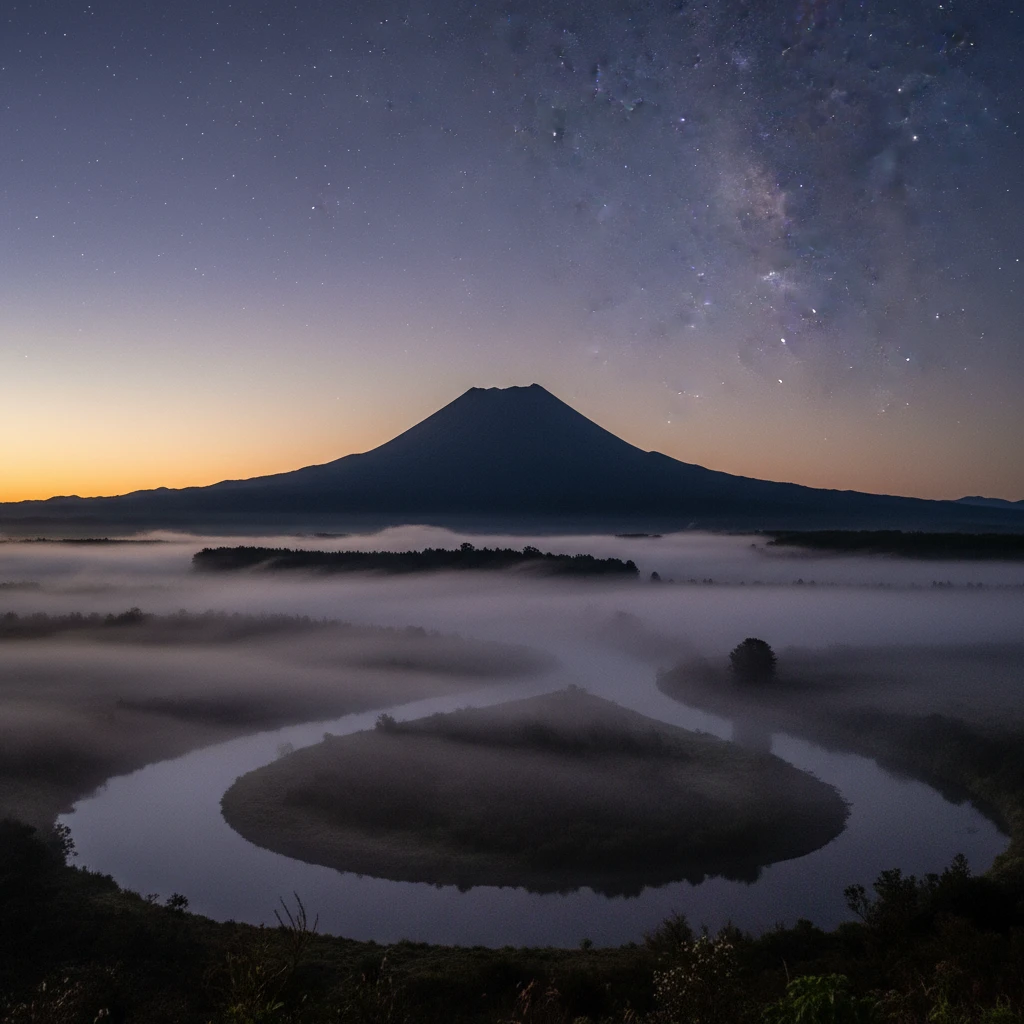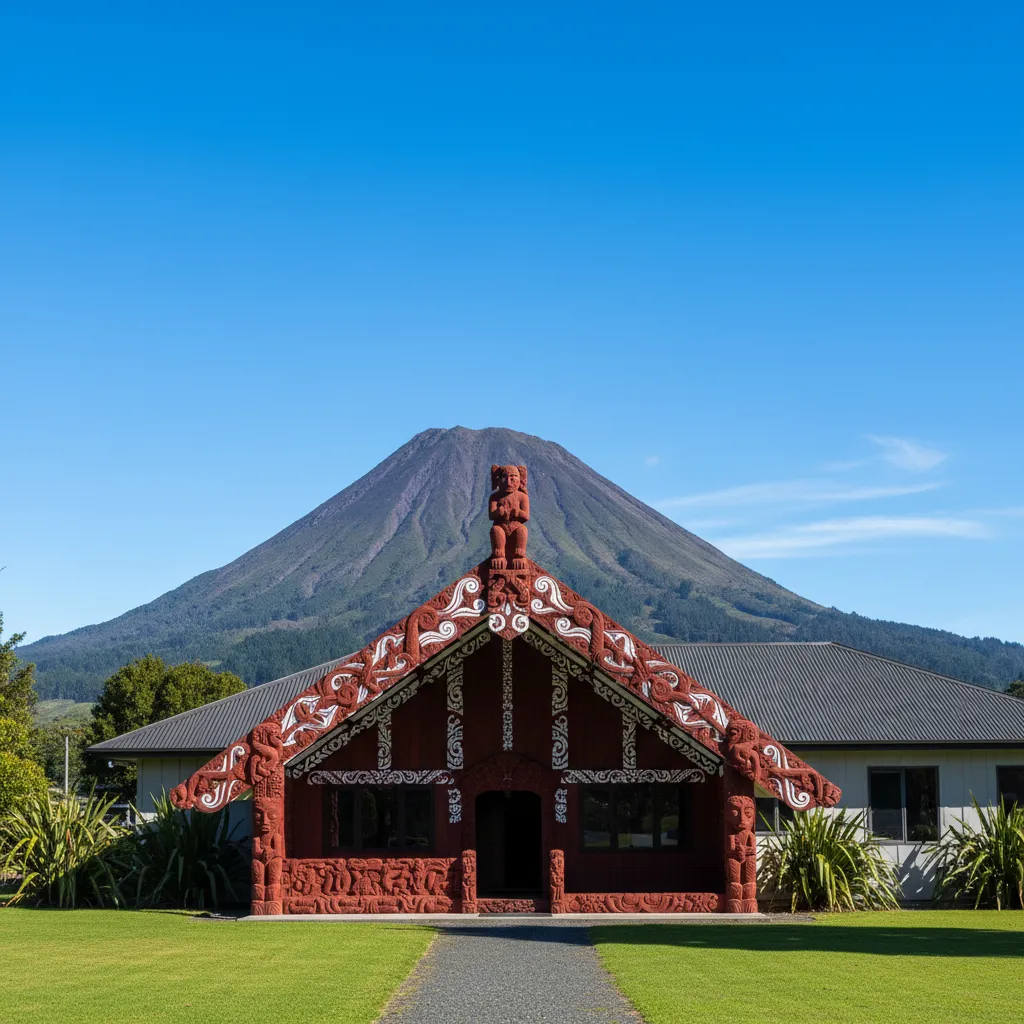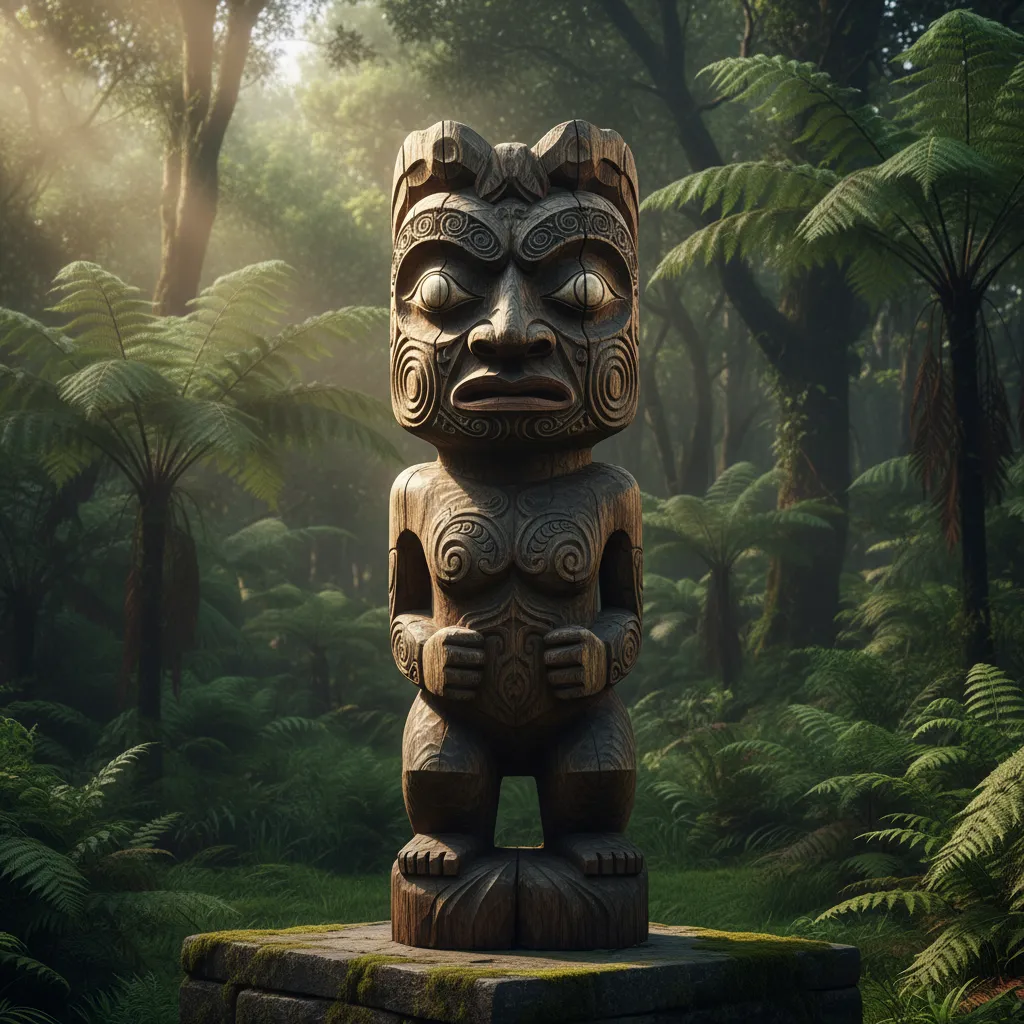
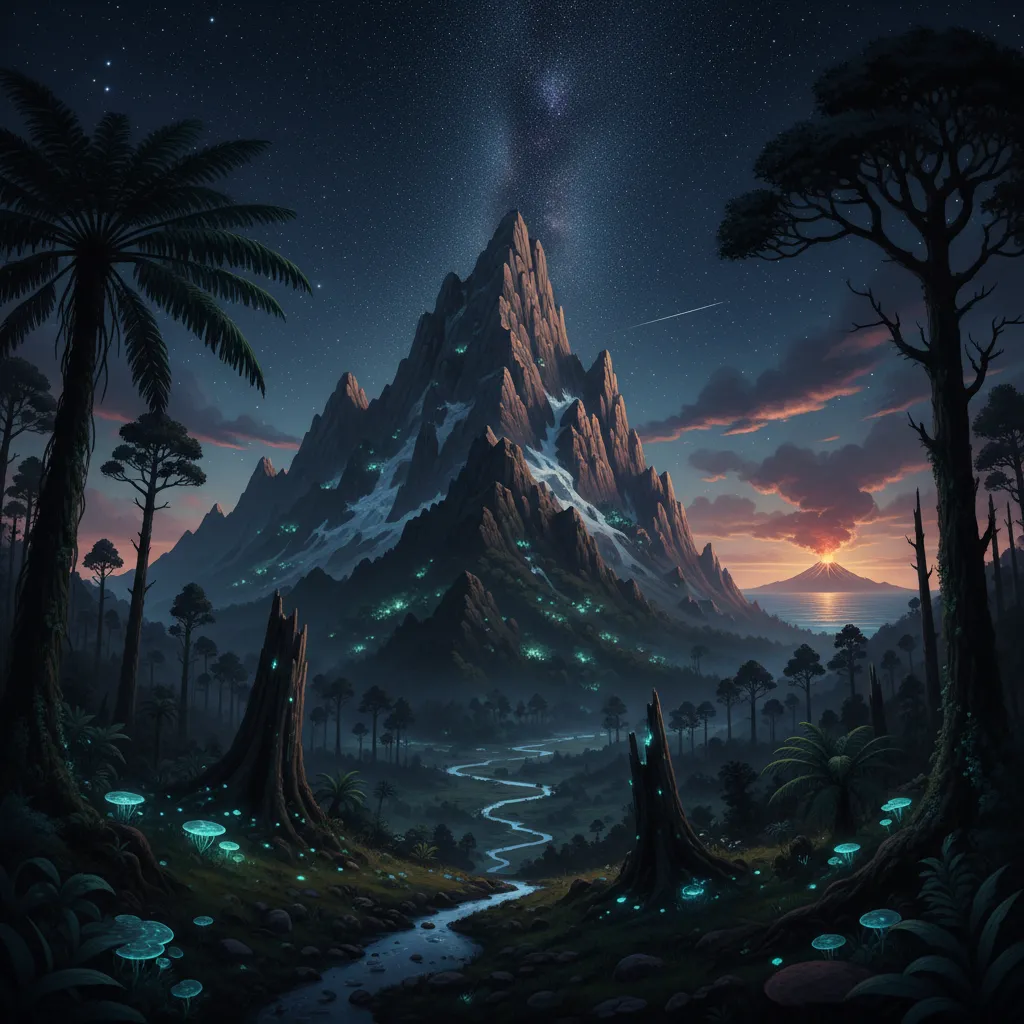
The legend of Mt Putauaki recounts the pūrākau (story) of a lonely mountain who fell in love with the volcanic maiden Whakaari (White Island). In a race against the dawn to reach her, Putauaki was frozen in place by the rising sun, forever remaining as the guardian maunga of Kawerau, separated from his love by the sea.
Mount Putauaki, often referred to as Mount Edgecumbe on older maps, is far more than a geological landmark dominating the skyline of the Eastern Bay of Plenty. For the people of Kawerau and the local iwi, Ngāti Tūwharetoa (Bay of Plenty), it is a sacred ancestor, a guardian, and the central figure of a tragic love story that defines the region’s cultural identity. Standing at 820 meters, this dacite volcanic cone serves as the spiritual and physical anchor for the Kawerau district.
The Pūrākau: The Love Story of Putauaki
To understand the soul of Kawerau, one must understand the heart of its mountain. In Māori oral tradition, mountains were once mobile warriors and gods who could move freely across the land. The legend of Mt Putauaki is a poignant tale of love, rivalry, and the immutable laws of nature.
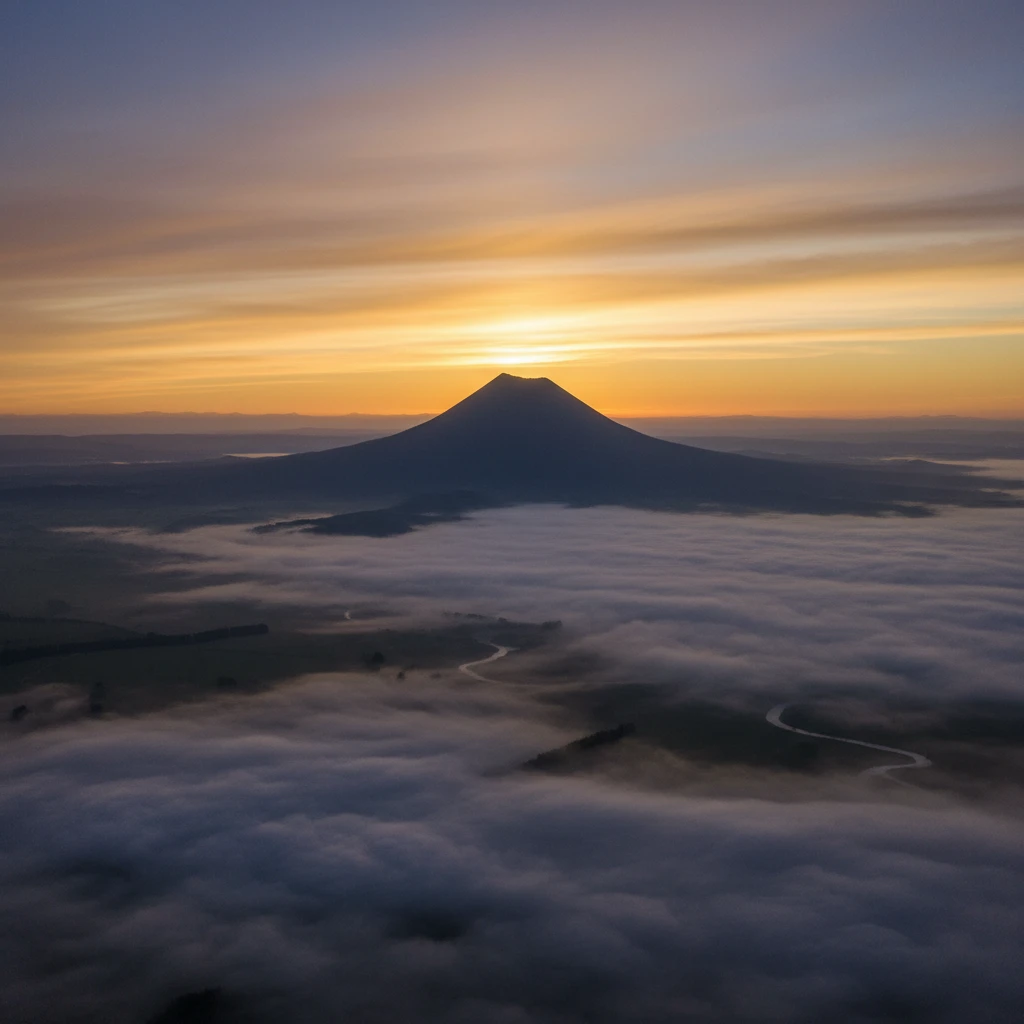
Who was Putauaki’s Love?
Long ago, Putauaki resided in the center of the North Island, near the great warrior mountains Tongariro, Ruapehu, and Ngāuruhoe. However, the mountains became crowded, and conflicts arose, often over the affections of the beautiful female mountains. Putauaki, however, looked northward. He cast his gaze upon Whakaari (White Island), the stunning volcanic maiden who puffed smoke out in the deep waters of the Bay of Plenty.
Determined to be with her, Putauaki decided to leave the central plateau. This journey, however, came with strict spiritual constraints. Mountains possess immense mana, but they are bound by the cycle of day and night. They can only move under the cover of darkness; if the rays of Tamanuite-rā (the sun) touch them while they are moving, they are instantly turned to stone, fixed in that location forever.
The Great Migration of the Mountains
The migration of Putauaki is a testament to determination and the tragedy of timing. As night fell, Putauaki uprooted himself, leaving behind a deep depression in the earth. He began his journey north, carving a path through the landscape toward the coast where Whakaari awaited him.
Why did Putauaki stop in Kawerau?
Putauaki was not the only mountain moving that night; others were also seeking new homes or fleeing conflict. Putauaki moved swiftly, driven by his love for Whakaari. He traversed the Kaingaroa Plains and approached the coast. However, the journey was arduous, and the distance was greater than anticipated.
As he reached the location now known as Kawerau, the eastern sky began to lighten. The first rays of the sun crested the horizon. Putauaki, realizing he could not reach the ocean before sunrise, had a choice: continue and risk crumbling, or stand tall and accept his fate. The sun struck him, and he was petrified instantly, rooting him to the spot where he stands today.
He remains there, forever gazing out to sea at his beloved Whakaari. It is said that on quiet days, when the mist (kohu) descends on Putauaki and the steam rises from Whakaari, they are exchanging sighs of longing for one another.
Connection to the Whakatane and Tarawera Rivers
The movement of such a massive geological entity did more than just relocate a peak; it shaped the hydrology and geography of the Bay of Plenty. The legend of Mt Putauaki is intrinsically linked to the formation and flow of the major river systems in the area, specifically the Tarawera and Whakatane rivers.
How did the mountain shape the rivers?
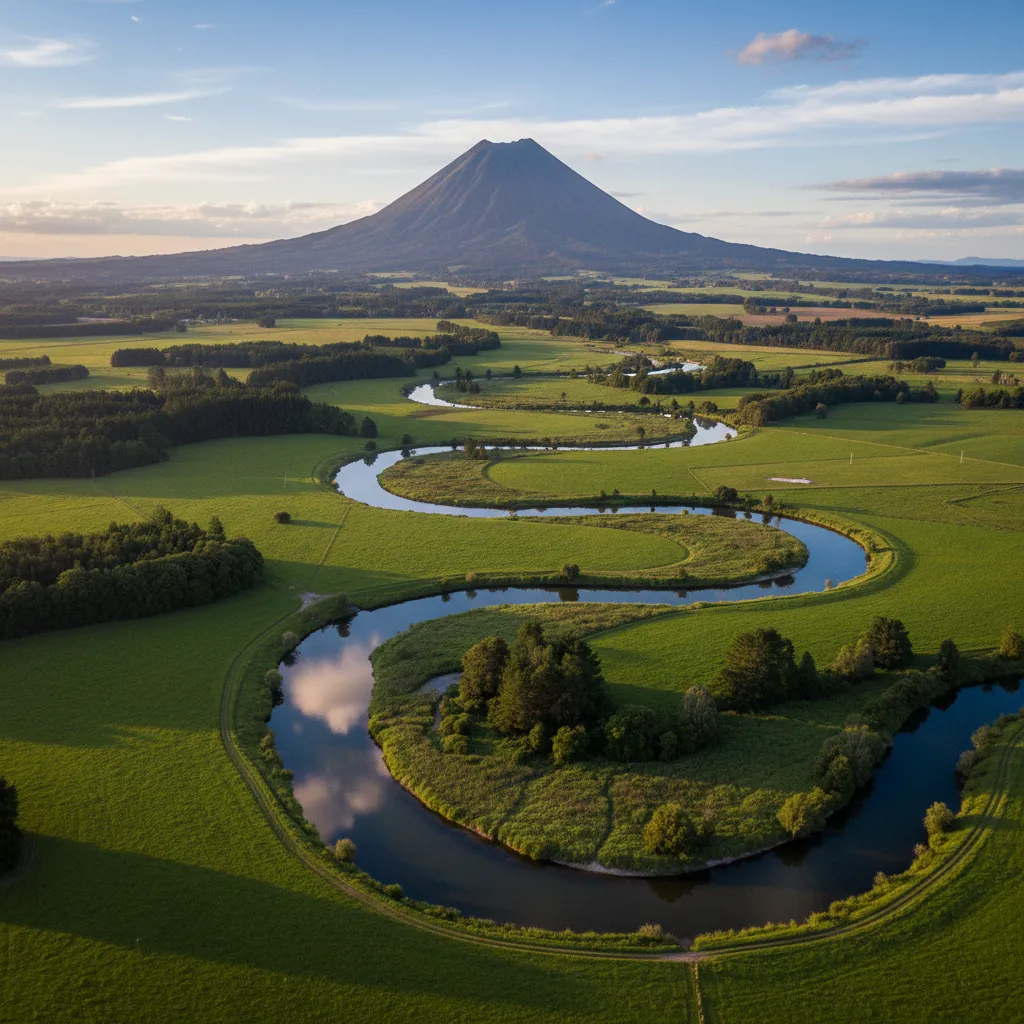
As Putauaki carved his path northward, the deep furrows left in his wake became the beds for the region’s waterways. The Tarawera River, which flows directly past the foot of the mountain and through the town of Kawerau, is often viewed in local storytelling as a companion to the mountain. In some variations of the pūrākau, the rivers represent the tears of the mountains or the pathways opened up by their departure from the central plateau.
The Whakatane River, flowing further to the east, defines the broader landscape that Putauaki dominates. The positioning of the mountain influences the watershed. Culturally, these rivers are the lifeblood (mauri) connecting the inland high country to the coast, mirroring Putauaki’s own desire to reach the sea. The Tarawera River, in particular, carries the mana of the mountain from Kawerau down to the coast at Matatā, creating a physical link between the mountain and the ocean he never reached.
Spiritual Importance to Local Iwi
For Ngāti Tūwharetoa (Bay of Plenty), Putauaki is not merely a mountain; he is a Tupuna Maunga (ancestral mountain). The relationship between the people and the mountain is reciprocal and deeply spiritual. The mountain provides protection, identity, and sustenance, while the people act as kaitiaki (guardians) of the mountain’s sanctity.
Why is the summit sacred?
The summit of Putauaki is considered wāhi tapu (sacred place). Historically, it was a burial ground for high-ranking chiefs. Because of this tapu nature, access to the very highest peaks and the crater was strictly controlled and restricted to tohunga (priests) or specific ceremonial occasions. This reverence continues today; while the mountain is a popular climb, there is a strong emphasis on respecting the tracks and not desecrating the sacred sites found at the top.
The mountain is also a boundary marker and a symbol of unity for the iwi of the region. It features prominently in pepeha (tribal introductions), where individuals identify themselves by their mountain, river, and marae. To say “Ko Pūtauaki te maunga” (Putauaki is the mountain) is to claim a deep, genealogical connection to the Kawerau district.
Modern Significance: The Prince of the Mountain
While the legend is ancient, the presence of Putauaki drives the modern lifestyle and economy of Kawerau. The town acts as a gateway to the mountain, blending industrial heritage with eco-tourism and cultural appreciation.
What is the King of the Mountain race?
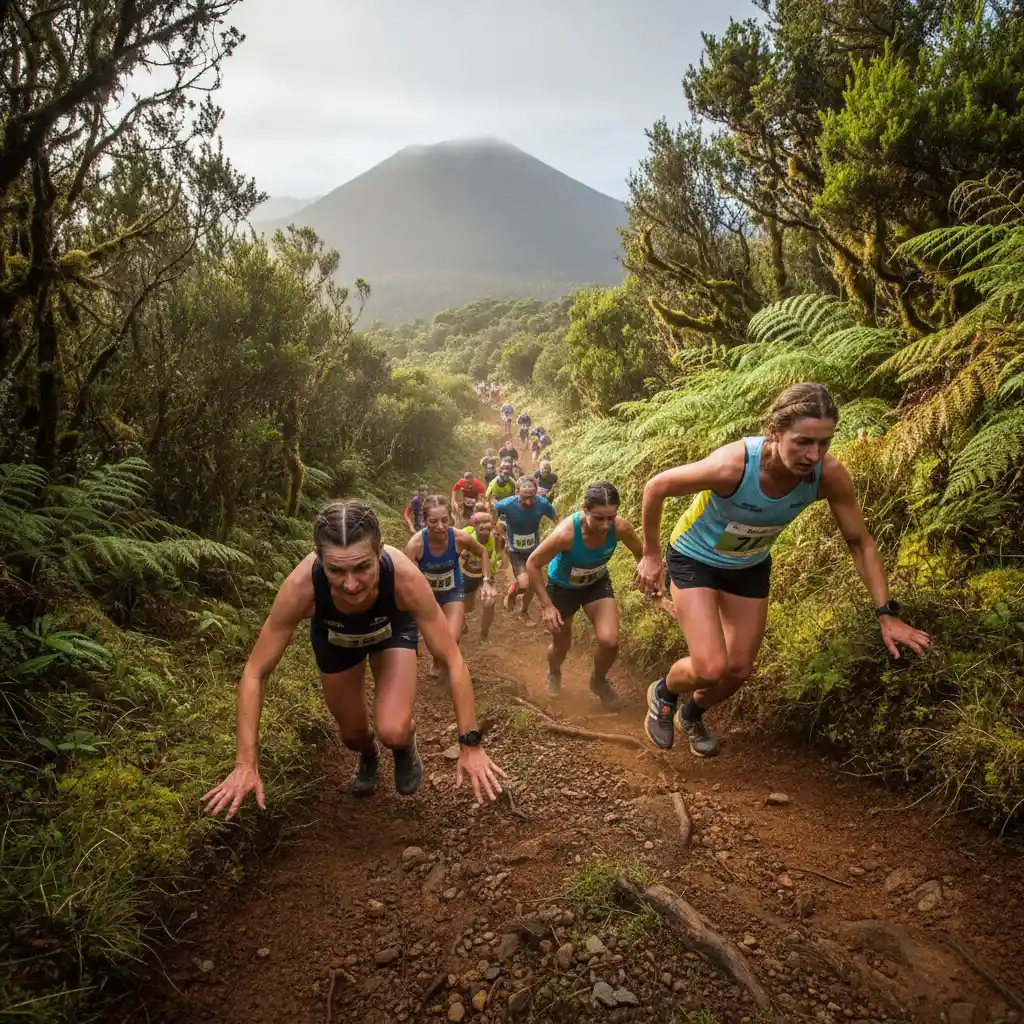
One of the most tangible ways the community interacts with the legend is through the annual Kawerau King of the Mountain race. This grueling event sees competitors race from the town up the steep slopes of the mountain and back down. It is considered one of the toughest mountain races in New Zealand. Participating in this race is seen by many locals as a way of honoring the mountain’s strength and endurance.
Furthermore, the mountain’s ownership was returned to Ngāti Tūwharetoa (Bay of Plenty) under a settlement, acknowledging the historical grievances and restoring the mana of the land to its rightful owners. Today, access is managed by the Māori Trust, ensuring that as Kawerau grows as a lifestyle hub, the dignity of Putauaki remains intact.
Educational Resources for Schools
For educators in the Bay of Plenty and across New Zealand, the legend of Mt Putauaki offers rich learning opportunities across the curriculum, including Social Studies, History, Geography, and Te Reo Māori.
How can this legend be taught in class?
Teachers can utilize the story of Putauaki to explore several key themes:
- Geology and Volcanology: Comparing the mythological explanation of the mountain’s location with the geological reality of the Taupō Volcanic Zone and the migration of volcanic centers over millions of years.
- Oral Traditions (Pūrākau): Understanding how oral history preserves knowledge, geography, and moral lessons. The story of Putauaki teaches resilience, consequences, and the importance of timing.
- Kaitiakitanga: Discussing the role of the local iwi as guardians and what it means to respect the environment.
Local schools often organize visits to the base of the mountain or the surrounding river walks to visualize the narrative. Resources are available through the local library and the Kawerau i-SITE, which provide detailed accounts of the local history and the genealogy of the mountain.
Frequently Asked Questions
Can you climb Mt Putauaki?
Yes, you can climb Mt Putauaki, but access is restricted. You must obtain a permit from the Māori Lands Trust or the Kawerau i-SITE before ascending. The climb is steep and requires a good level of fitness. It is typically open during daylight hours, and climbers are asked to stay on the marked track to respect wāhi tapu sites.
What is the meaning of the name Putauaki?
The name Putauaki is often translated or interpreted in various ways, but it is universally recognized as the name of the male mountain ancestor. Some interpretations link it to the gathering of birds or specific historical events, but it primarily serves as the personal name of the maunga.
Why is Mt Putauaki sometimes called Mt Edgecumbe?
Captain James Cook gave the mountain the name Mt Edgecumbe in 1769, under the sponsorship of George, Lord Edgecumbe, a peer of the realm. However, in 1925, the name was officially altered to include the Māori name, and today, Putauaki is the preferred and culturally correct name used by locals and officials.
Is Mt Putauaki an active volcano?
Mt Putauaki is a dormant dacite volcanic cone. It last erupted approximately 2,300 years ago. While it is not currently active, it is part of the volatile Taupō Volcanic Zone. It is the youngest vent of the Okataina Volcanic Centre.
How long does it take to walk up Mt Putauaki?
For an average walker, the ascent takes between 2 to 3 hours, with the return trip taking slightly less. The track is approximately 3-4 kilometers long but involves a significant elevation gain, making it a challenging half-day excursion.
What is the connection between Putauaki and Tarawera Falls?
While distinct landmarks, both are part of the same volcanic and hydrological system. The Tarawera River, fed by Lake Tarawera (home to the Tarawera Falls), flows past Putauaki. Culturally, they share the same landscape narrative of the Ngāti Tūwharetoa and Ngāti Awa rohe (territories).