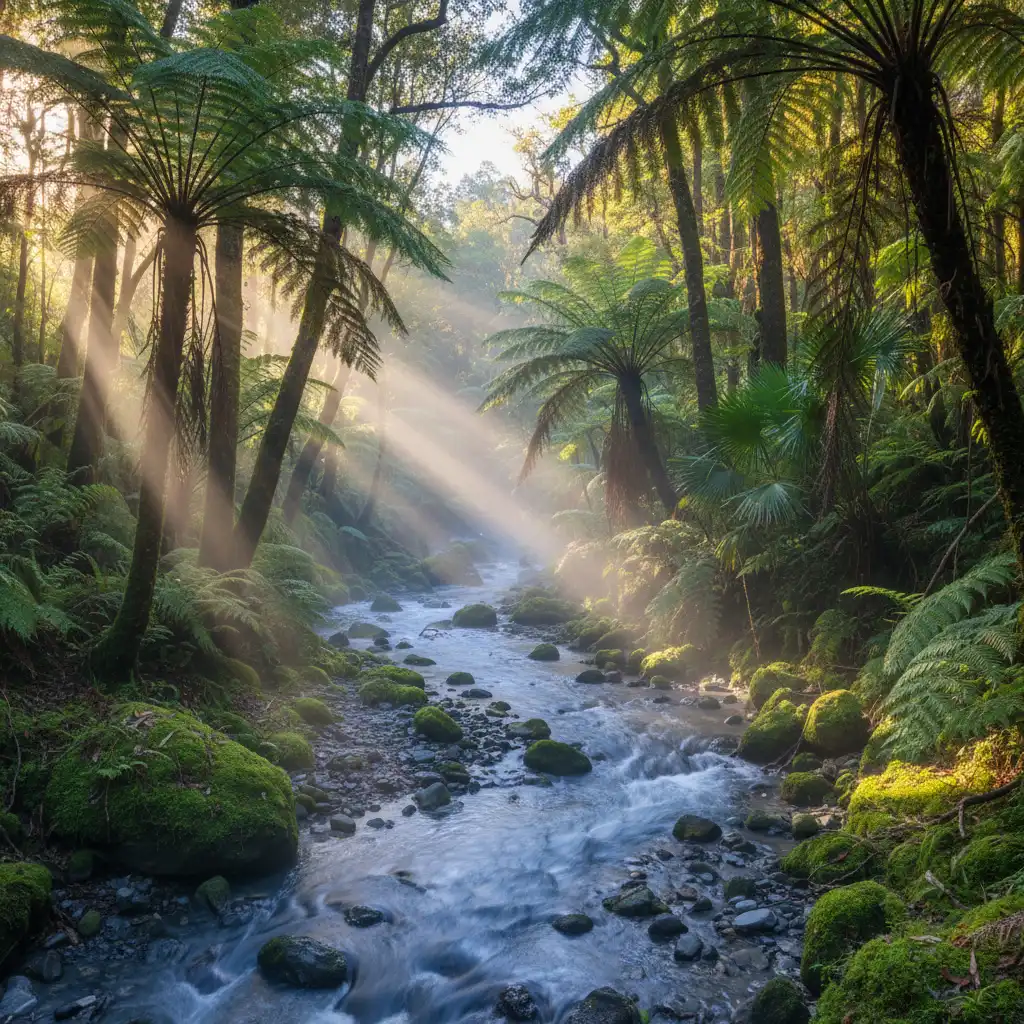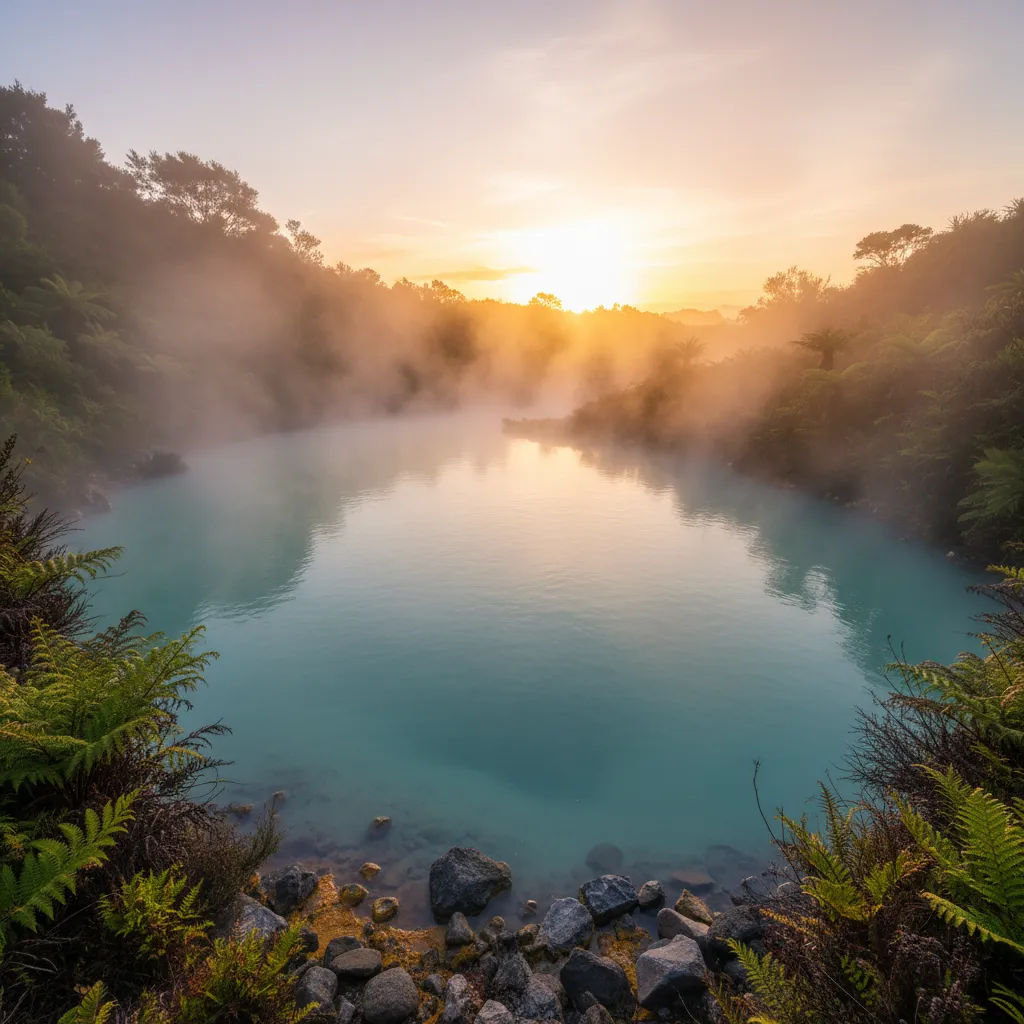
Winter geothermal hot pools offer a unique wellness synergy by combining natural hydrotherapy with mineral-rich waters, essential for combating seasonal stiffness and boosting circulation during the colder months of June through August. In regions like Kawerau, these thermal resources provide accessible therapeutic benefits, including muscle relaxation, improved skin health, and stress reduction, making them the cornerstone of a holistic winter wellness strategy.
The Therapeutic Power of Winter Geothermal Hot Pools
As the Southern Hemisphere winter settles in from June to August, the allure of geothermal water transforms from a luxury into a physiological necessity for many. In the heart of the Bay of Plenty, Kawerau stands as a testament to the power of the earth’s heat. The region’s volcanic legacy provides one of the most effective tools for winter wellness: geothermal hot pools.
The contrast between the biting winter air and the enveloping warmth of geothermal water creates a sensory experience that does more than just warm the body; it resets the nervous system. When the ambient air temperature drops, the human body naturally restricts blood flow to the extremities to preserve core heat. This vasoconstriction often leads to muscle tightness, joint pain, and a general sense of fatigue. Submerging in winter geothermal hot pools reverses this process almost instantly.
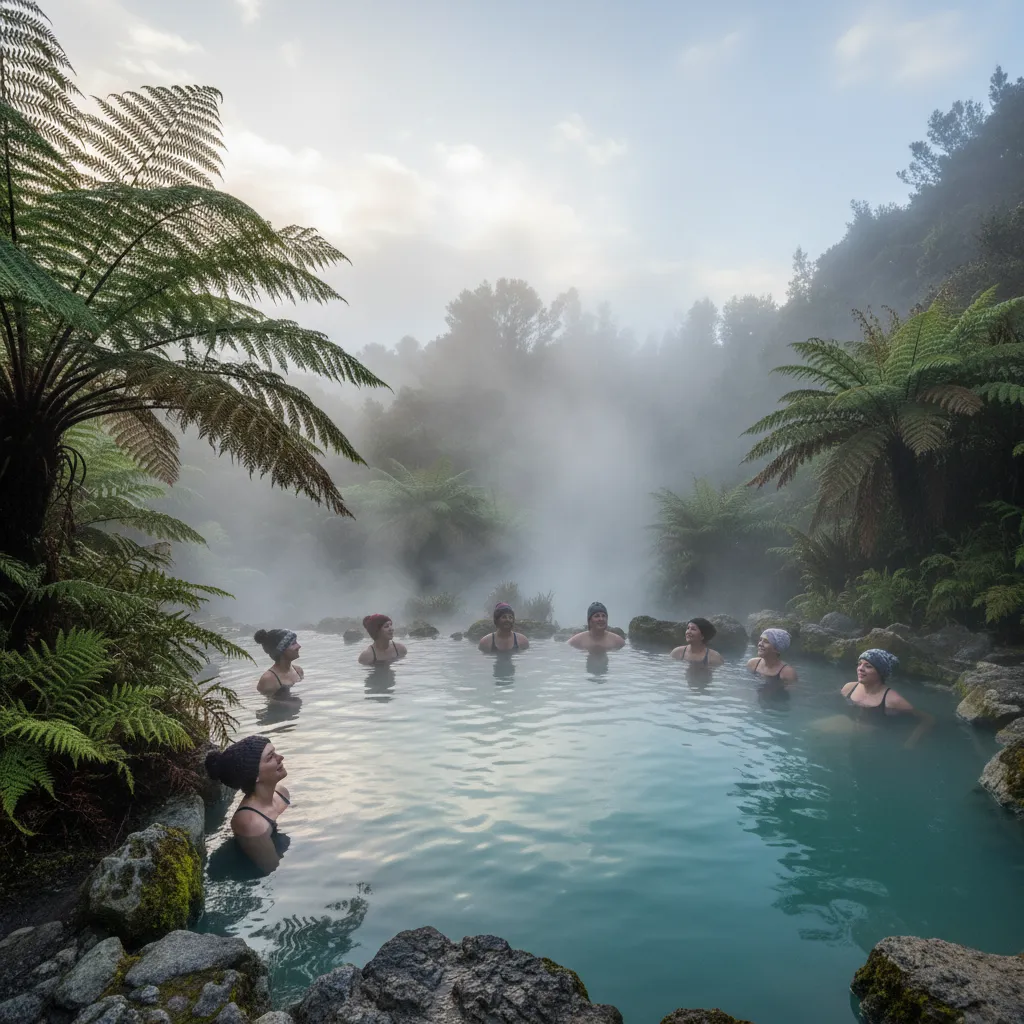
For residents and visitors of Kawerau, the Maurie Kjar Memorial Swimming Pool complex is a focal point. Unlike standard chlorinated pools, these facilities leverage the natural geothermal abundance of the area. The heat penetrates deep into the muscle tissue, promoting vasodilation—the widening of blood vessels. This increased circulation delivers oxygen-rich blood to tired muscles while efficiently flushing out metabolic waste products like lactic acid. For athletes and outdoor enthusiasts, this makes the hot pool an essential recovery tool rather than just a leisure activity.
The Science of Soaking: Minerals and Heat
Why is Geothermal Water Superior to Tap Water?
The distinction between a standard hot bath and a geothermal soak lies in the mineral composition. Geothermal water is a complex chemical cocktail brewed deep underground. As rainwater seeps into the earth’s crust and is heated by magma, it dissolves minerals from the surrounding rock. By the time it resurfaces in Kawerau, it is rich in silica, sulfur, magnesium, and lithium.
Silica is renowned for its collagen-boosting properties, often referred to as nature’s anti-aging mineral. In the dry winter months, when skin is prone to cracking and irritation, silica-rich water helps to soften and smooth the epidermis. Sulfur, identifiable by its distinct aroma, has profound anti-inflammatory properties. It is extensively documented for its ability to relieve symptoms of arthritis and eczema, conditions that often flare up during the damp winter season.
Furthermore, the hydrostatic pressure of the water exerts a gentle compression on the body. This pressure assists in venous return, helping blood travel from the legs back to the heart, which reduces swelling and edema. When combined with the buoyancy of the water, which reduces body weight by approximately 90%, the result is a total alleviation of pressure on the joints and spine. This weightlessness allows for a range of motion that might be painful or impossible on dry land, enabling gentle stretching and rehabilitation exercises.
Indoor Fitness: Maintaining Momentum in Kawerau
While the hot pools provide recovery, maintaining cardiovascular health and muscular strength requires active exertion. However, the wet and windy conditions typical of a New Zealand winter can dampen the motivation for outdoor exercise. This is where Kawerau’s indoor fitness infrastructure becomes critical for maintaining a wellness routine.
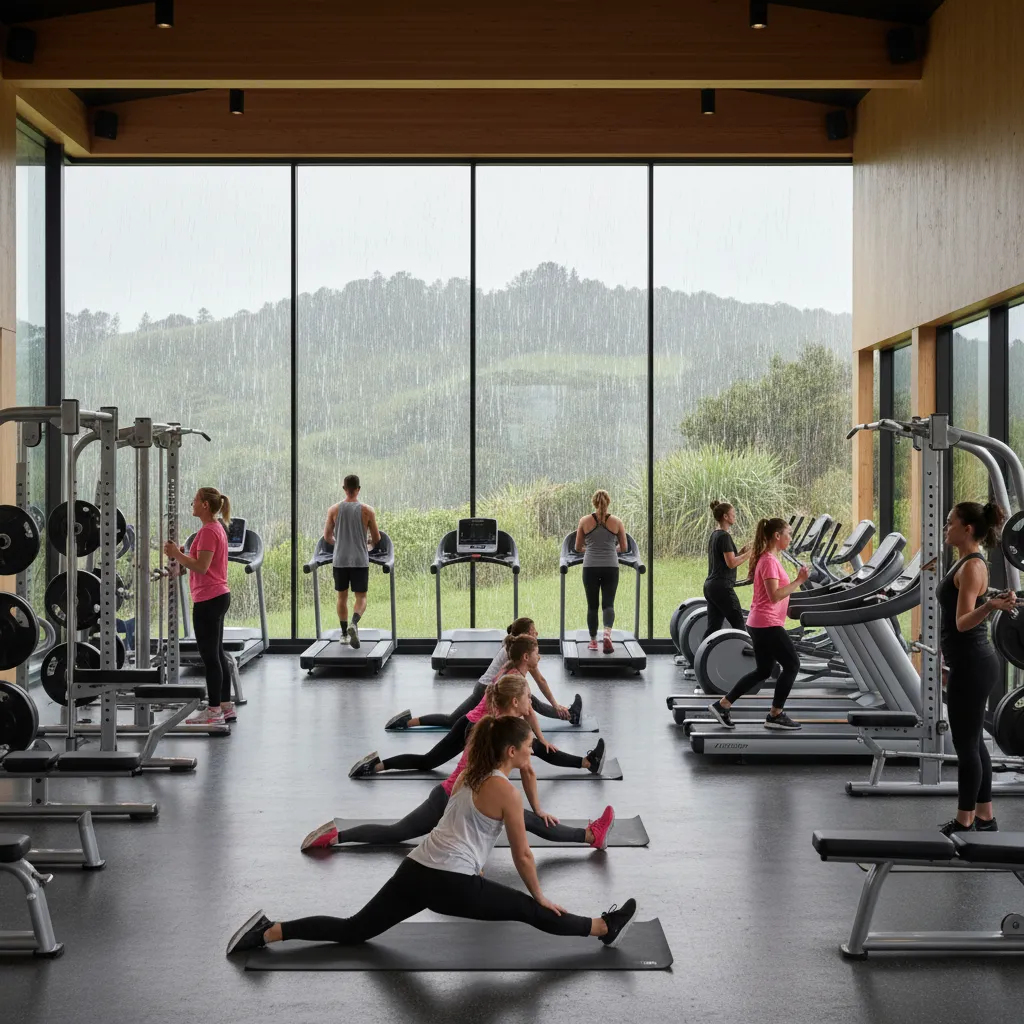
Consistency is the key to winter wellness. Stopping an exercise regime in June and restarting in September creates a “yo-yo” effect that strains the body and immune system. Indoor fitness classes offer a controlled environment where temperature and footing are predictable. Local community halls and gym facilities in the region often ramp up their schedules during these months, offering everything from high-intensity interval training (HIIT) to low-impact yoga and pilates.
The Role of Group Fitness in Mental Health
Beyond the physical benefits, indoor group fitness addresses a significant winter wellness challenge: social isolation. Seasonal Affective Disorder (SAD) and general winter blues are often exacerbated by a lack of social interaction. Participating in a scheduled indoor class provides structure to the day and a sense of community accountability. In a close-knit community like Kawerau, these fitness hubs serve as social anchors, ensuring that physical health and mental resilience are nurtured simultaneously.
Mt Putauaki: A Guide to Winter Hiking Safety
For those who crave the outdoors despite the chill, climbing Mt Putauaki is a rite of passage. However, winter ascents require a fundamentally different approach than summer hikes. The mountain, standing majestic over the landscape, commands respect, particularly when the weather patterns become volatile.
Understanding the Terrain and Conditions
Winter on Mt Putauaki introduces mud, slippery roots, and significantly lower temperatures, especially at the summit. The dense canopy can obscure the fading light, making time management critical. Unlike the long twilights of summer, darkness falls rapidly in winter, often catching unprepared hikers off guard.
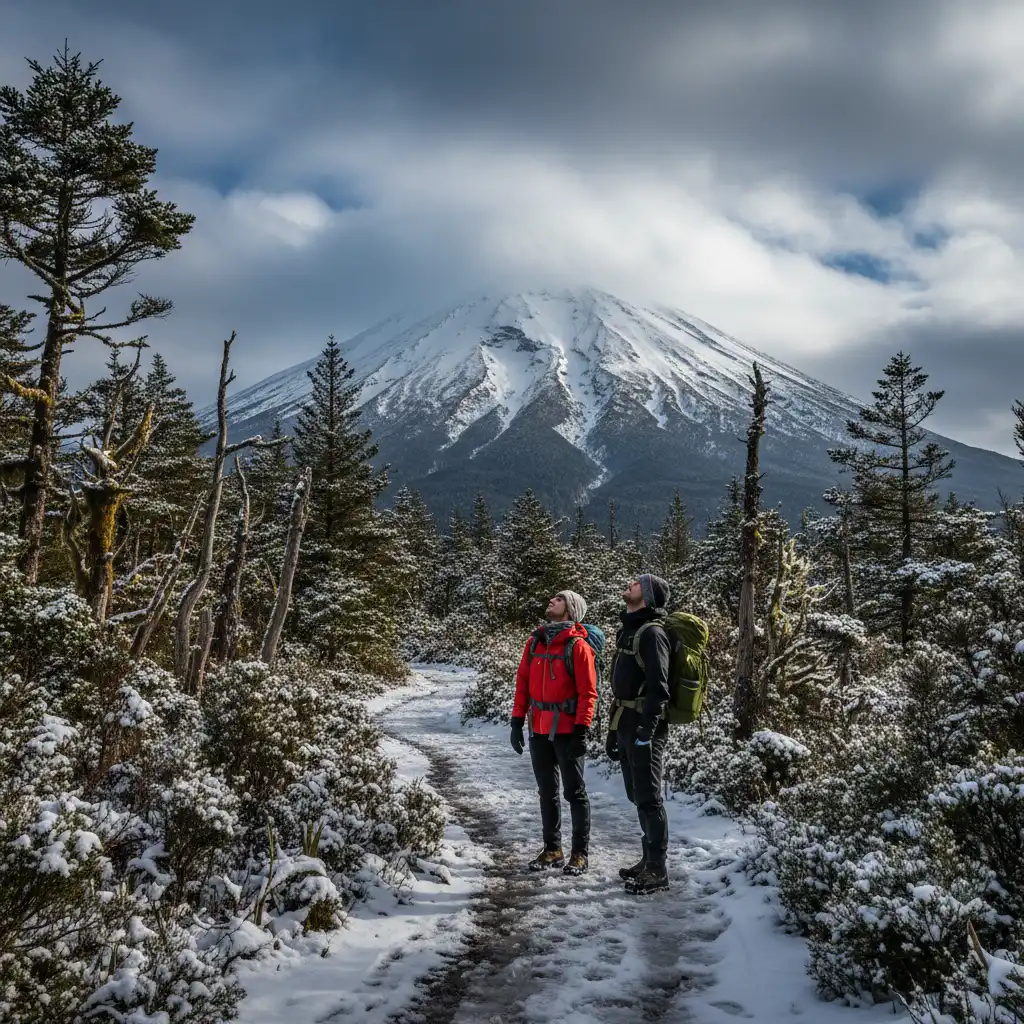
Essential Winter Gear Checklist
To ensure a safe and beneficial hike, preparation is non-negotiable. The “she’ll be right” attitude must be replaced with strategic planning:
- Footwear: Standard runners are insufficient for winter mud. Waterproof hiking boots with aggressive tread are required to prevent ankle sprains and slips.
- Layering System: Avoid cotton, which holds moisture against the skin and cools you down. Utilize a three-layer system: a moisture-wicking base layer (merino wool is ideal), an insulating mid-layer (fleece), and a waterproof, windproof outer shell.
- Lighting: Always carry a fully charged headlamp, even if you plan to return by afternoon. Winter afternoons can darken unexpectedly with cloud cover.
- Communication: Cell reception can be spotty. Informing a reliable contact of your start time and expected return time is a mandatory safety protocol.
Hiking in the cold burns more calories as the body works to maintain homeostasis. Therefore, nutrition and hydration are paramount. Cold air suppresses the thirst mechanism, leading many hikers to dehydration. carrying warm fluids, such as herbal tea or warm water with electrolytes, can help maintain core temperature and hydration levels.
Restorative Therapies and Local Spa Services
Wellness is a cycle of exertion and recovery. Following a rigorous hike up Mt Putauaki or a week of work, professional bodywork is the perfect complement to the passive heating of geothermal pools. Local spa and massage services in the wider Bay of Plenty and Kawerau region offer targeted treatments that address winter-specific ailments.
Lymphatic Drainage and Immunity
Winter is the season of stagnation—we move less, and our metabolic processes can slow down. Massage therapy, particularly lymphatic drainage, stimulates the movement of lymph fluids around the body. This fluid contains white blood cells, which are essential for fighting off winter colds and flu. By mechanically stimulating the lymphatic system, massage therapists help the body detoxify more efficiently.
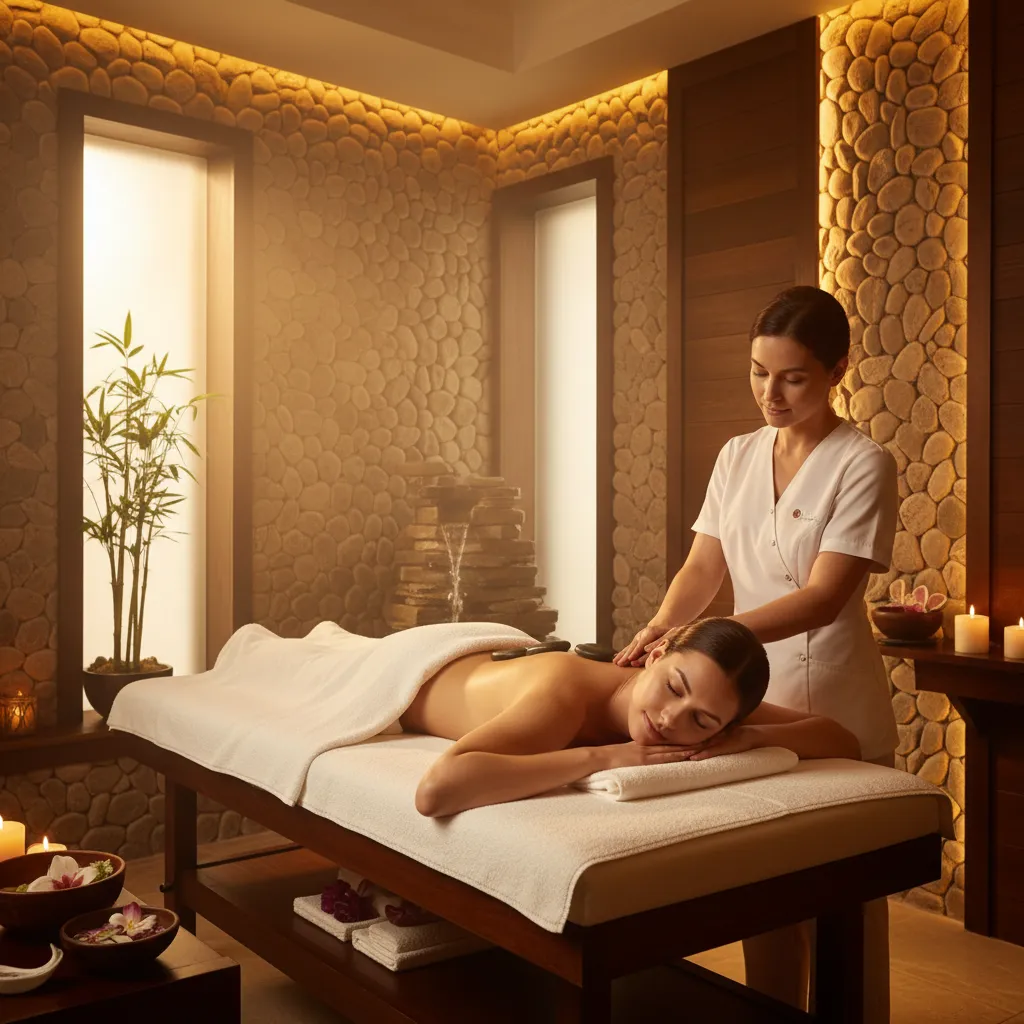
Deep Tissue for Cold Muscles
Cold weather causes muscles to contract and shorten, leading to poor posture and tension headaches. Deep tissue massage works to lengthen these fibers and break up adhesions. When combined with the heat of the geothermal pools, the efficacy of a massage is doubled; the water softens the tissue beforehand, allowing the therapist to work deeper with less discomfort.
Community Connection and Seasonal Nutrition
True wellness extends beyond physical activity and therapy; it is deeply rooted in nutrition and community. The Kawerau lifestyle embraces the concept of seasonal eating. Winter in New Zealand provides an abundance of root vegetables—kumara, pumpkin, and carrots—which are packed with beta-carotene and complex carbohydrates needed for sustained energy in cold weather. Engaging with local markets and community gardens fosters a sense of belonging. Sharing kai (food) is a central tenet of local culture. Warm, nutrient-dense soups and stews utilizing local produce provide the fuel necessary to maintain a high metabolic rate during the colder months. This holistic approach—combining the geothermal gifts of the land, active movement, safety awareness, and nutritional support—positions Kawerau not just as a place to live, but as a hub for thriving during the winter season.
What are the health benefits of geothermal pools in winter?
Geothermal pools provide thermal therapy that improves circulation, reduces muscle stiffness caused by cold weather, and aids in stress reduction. The mineral content, often including sulfur and silica, can also alleviate skin conditions and joint pain associated with arthritis.
Is the Maurie Kjar Memorial Swimming Pool open in winter?
Yes, the Maurie Kjar Memorial Swimming Pool is a key asset for Kawerau year-round. Its geothermal heating makes it an ideal destination during the winter months (June to August) for warm, therapeutic soaking.
What should I wear for hiking Mt Putauaki in winter?
You should wear a three-layer system: a moisture-wicking base layer (like merino wool), an insulating fleece mid-layer, and a waterproof/windproof outer shell. Sturdy, waterproof hiking boots are essential to handle mud and slippery terrain.
Are there indoor fitness options in Kawerau?
Yes, Kawerau offers various indoor fitness options including community gyms and halls that host fitness classes. These facilities allow residents to maintain exercise routines away from the rain and cold temperatures.
How long should I stay in a hot pool?
It is generally recommended to soak for 15 to 20 minutes at a time. Prolonged exposure to high heat can lead to dehydration or overheating. Take breaks to cool down and ensure you hydrate with water.
What is the best time of day to visit hot pools in winter?
Early morning or evening are popular times. Mornings offer a refreshing start to the day with cooler air contrasting the warm water, while evening soaks can aid in relaxation and improve sleep quality.