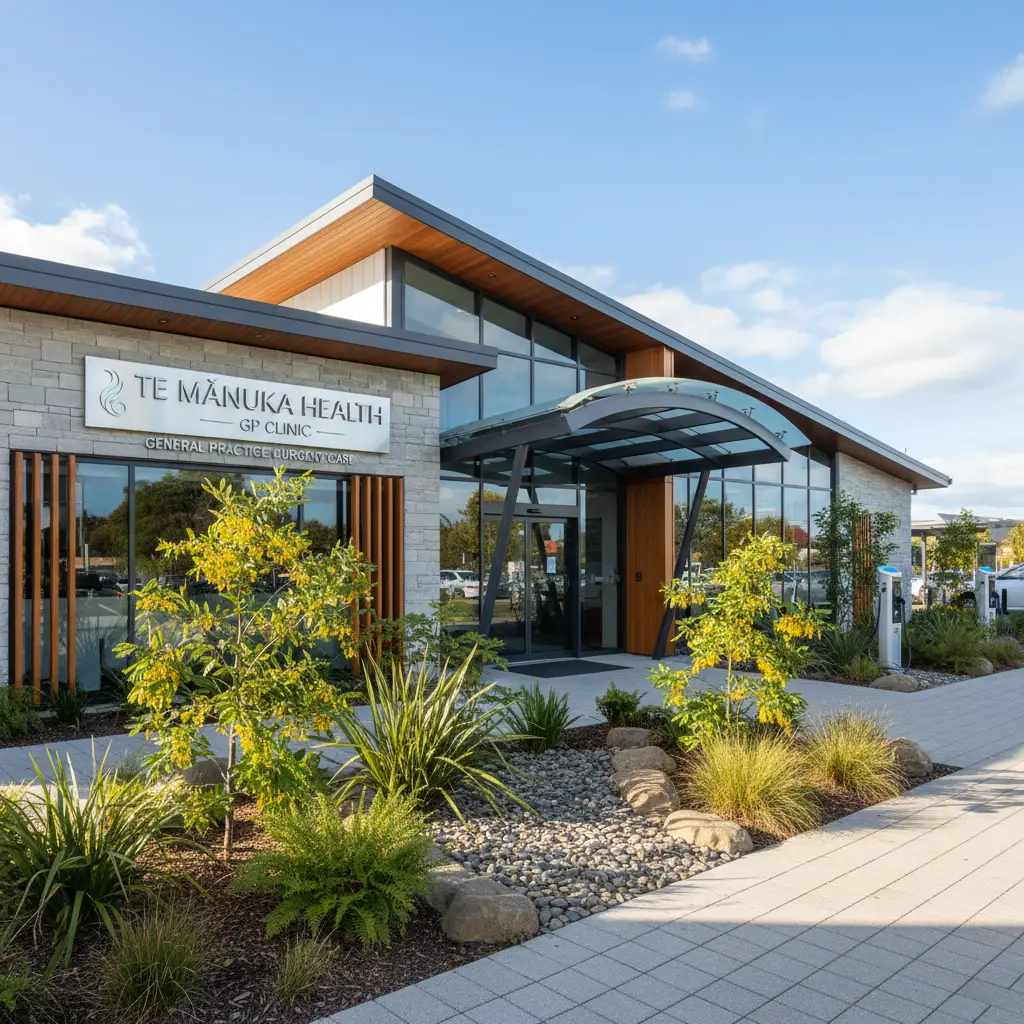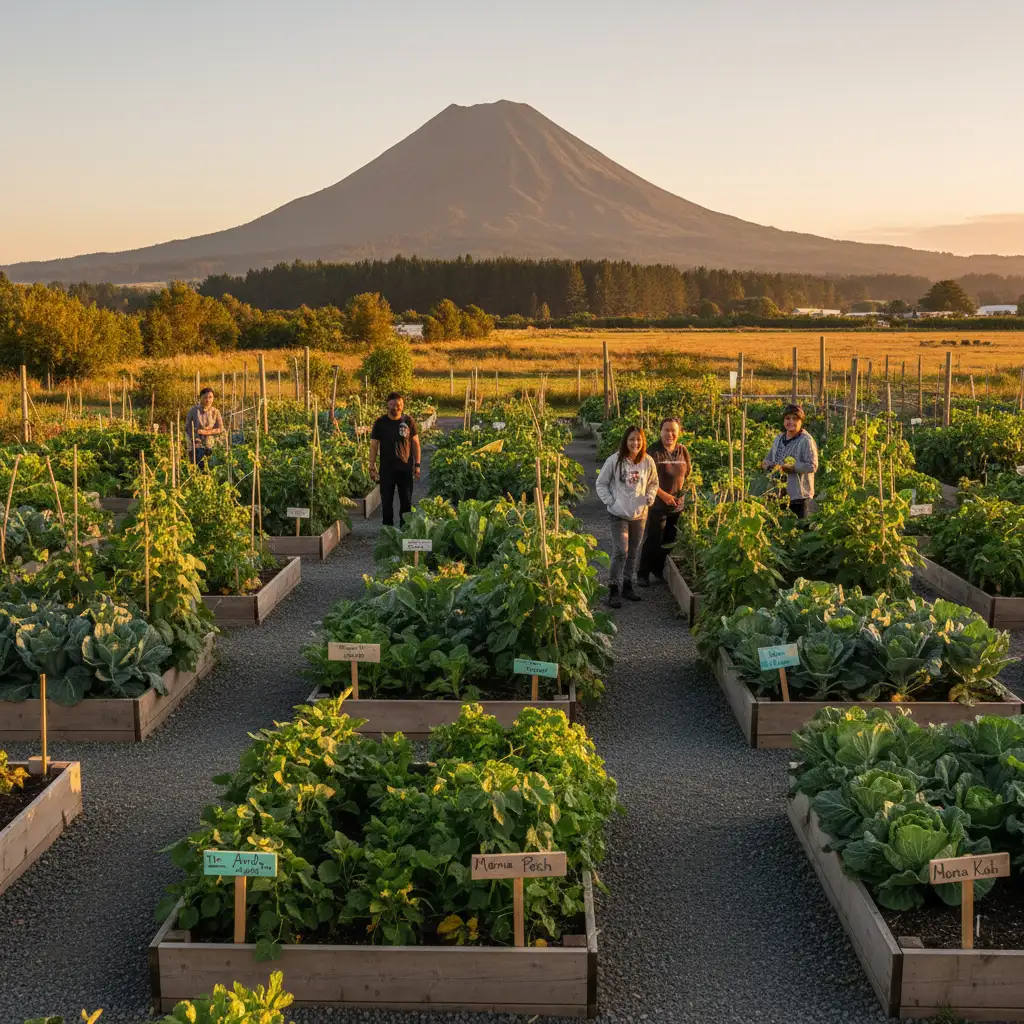
Sustainable living in Kawerau is characterized by the district’s pioneering use of geothermal energy, community-led food sovereignty initiatives, and aggressive waste minimization strategies. Located in the Bay of Plenty, the town supports a low-carbon lifestyle through renewable resource integration, affordable eco-friendly housing development, and a deeply ingrained culture of environmental stewardship and conservation.
As the world grapples with climate change and the rising cost of living, the search for communities that balance economic viability with environmental responsibility has intensified. Kawerau, situated in the heart of New Zealand’s Bay of Plenty, has emerged as a compelling case study for this balance. Known historically as an industrial mill town, Kawerau is rapidly rebranding itself as a hub for green innovation and Kawerau Motel Reviews & Comparison.
From harnessing the raw power of the earth to heat homes and businesses, to cultivating shared green spaces that feed the community, this district is proving that sustainability is not just a buzzword—it is a practical, everyday reality. This comprehensive guide explores how residents and local authorities are collaborating to create a greener future. For those interested in moving here, understanding the Relocation & Digital Nomad Lifestyle options is key.
How does Kawerau use geothermal energy for sustainability?
Kawerau sits atop one of the world’s most active geothermal fields. While many regions rely on fossil fuels or imported electricity, Kawerau’s sustainable living model is literally powered by the ground beneath its residents’ feet. This unique geological advantage is the cornerstone of the town’s energy independence and low-carbon footprint.

Industrial Symbiosis and Residential Potential
The concept of “industrial symbiosis” is alive and well in Kawerau. Major local industries utilize geothermal steam for process heat and electricity generation. This reduces the regional reliance on the national grid and lowers the overall carbon emissions associated with heavy industry. However, the benefits trickle down to the community level. The presence of this infrastructure attracts businesses that value sustainability, creating a local economy that is resilient and forward-thinking.
For the residential sector, the abundance of geothermal energy presents opportunities for district heating schemes and lower electricity costs compared to other parts of New Zealand. By utilizing renewable steam, the district minimizes the burning of wood and coal for heating, which significantly improves air quality during the winter months—a critical component of a healthy, sustainable living environment.
The Future of Clean Energy in the District
Looking ahead, the Kawerau District Council and local stakeholders are continually exploring ways to expand geothermal usage. This includes potential applications for heating public swimming pools, greenhouses for year-round food production, and even residential clusters. For a family looking to minimize their carbon footprint, living in a district where the baseload power is renewable is a significant advantage.
What are the community garden initiatives in Kawerau?
True sustainability extends beyond energy; it encompasses food security and social connection. Kawerau has embraced the “grow your own” philosophy with enthusiasm, leveraging the fertile volcanic soil of the Bay of Plenty to foster community resilience.
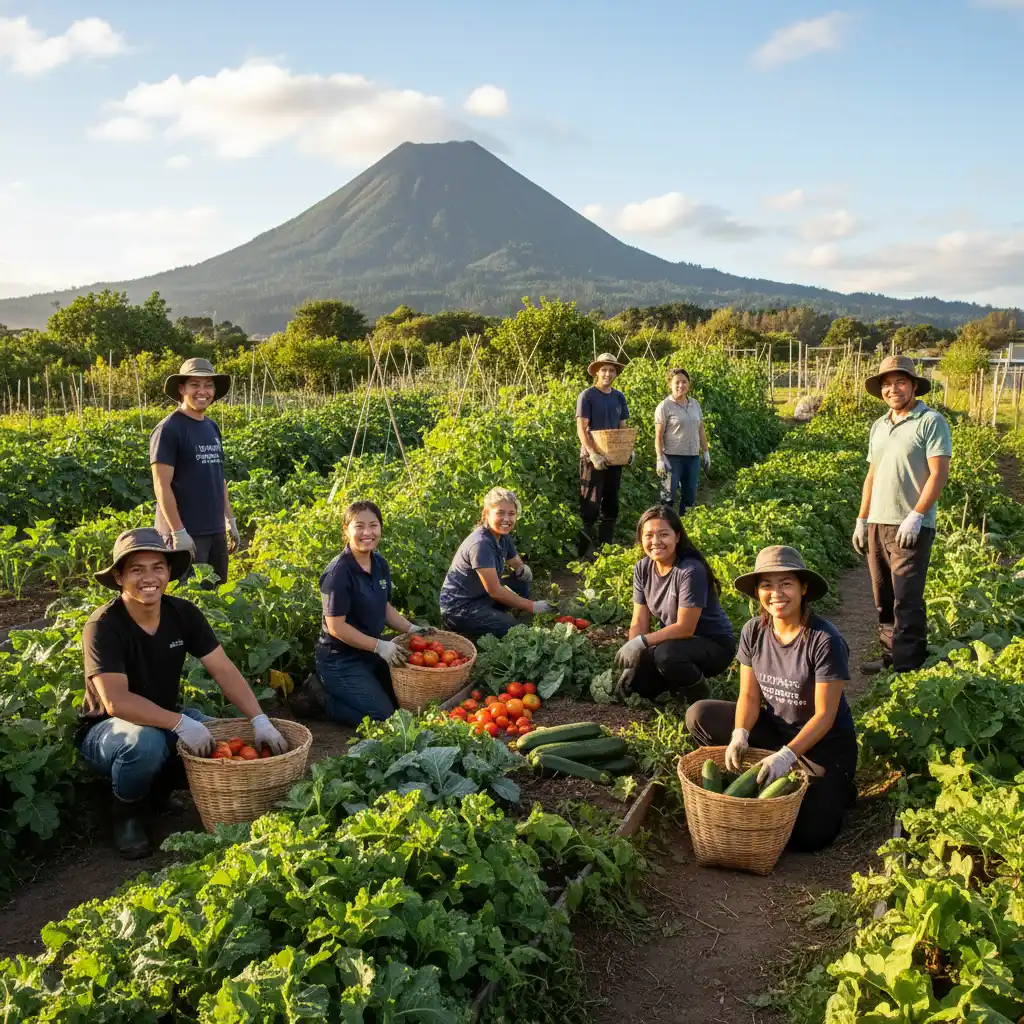
The Role of Shared Green Spaces
Community gardens in Kawerau serve as educational hubs where knowledge about composting, seasonal planting, and organic pest control is passed down through generations. These initiatives reduce the “food miles” associated with grocery shopping, as produce is grown and consumed locally. By participating in these gardens, residents reduce their reliance on supermarket supply chains, which are often carbon-intensive.
Key benefits of these initiatives include:
- Food Sovereignty: reducing dependence on external food sources.
- Social Cohesion: bringing together diverse demographics to work toward a common goal.
- Biodiversity: creating pockets of native flora and pollinator-friendly plants within the urban environment.
Education and Youth Involvement
Local schools and youth groups are increasingly involved in these agricultural programs. Teaching children how to grow food is considered a Kawerau King of the Mountain Training for sustainable living. Programs often integrate lessons on biology, nutrition, and environmental science, ensuring that the next generation of Kawerau residents is equipped to maintain the district’s green legacy.
How effective are waste reduction programs in the district?
A critical pillar of sustainable living in Kawerau is the management of waste. The district has moved beyond simple collection services to embrace a philosophy of waste minimization and circular economy principles.
The Zero Waste Goal
Kawerau aims to divert a significant percentage of waste from landfills. This is achieved through a comprehensive kerbside recycling program and education campaigns designed to help residents sort waste correctly. The local transfer station is not just a dump; it is a resource recovery center where materials are sorted, repurposed, or sold. Information on local amenities, including the Kawerau Public Toilets & Showers Map, can also be useful for visitors exploring the area.
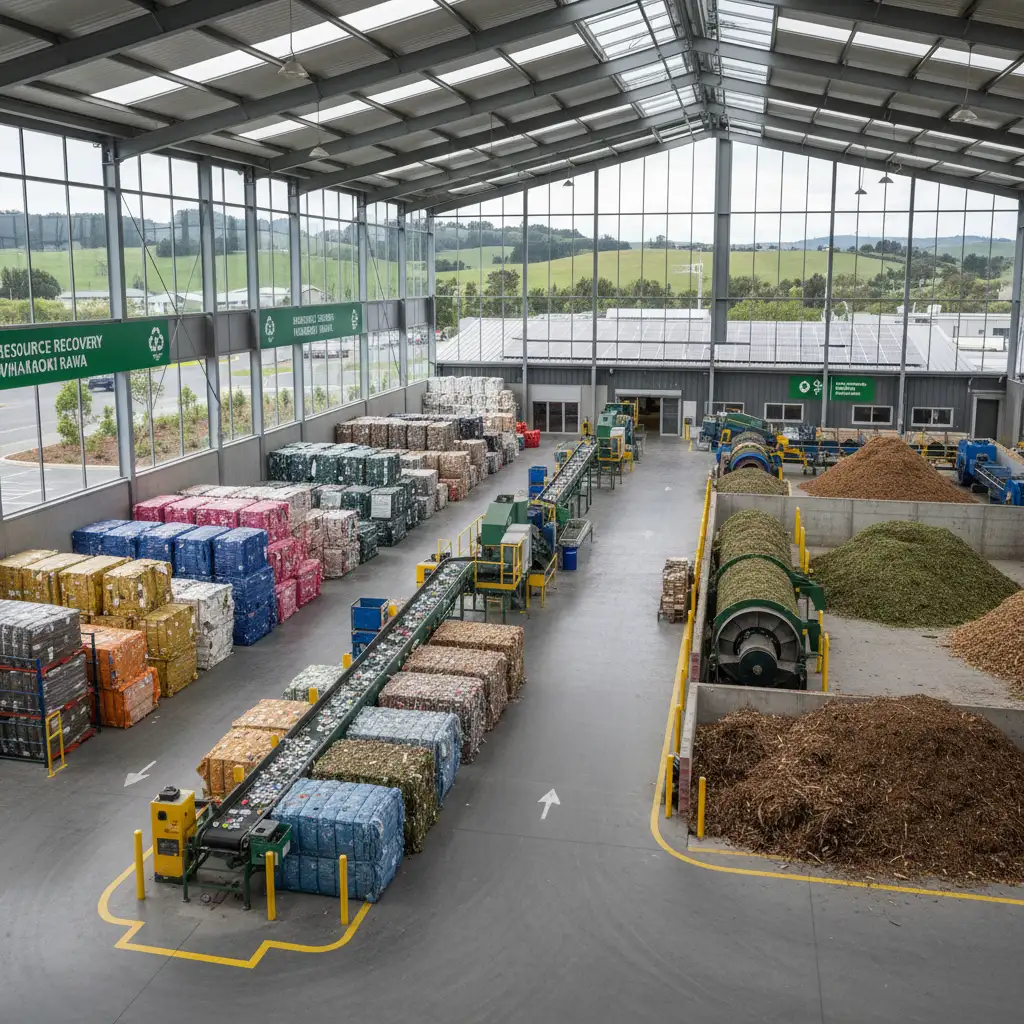
Green Waste and Composting
Given the large number of gardens and the lush environment, green waste volume can be high. The district encourages home composting but also provides facilities for processing organic matter. This green waste is converted into compost, which is then returned to the soil, completing the nutrient cycle. This prevents organic material from rotting in landfills, where it would produce methane, a potent greenhouse gas.
Tackling Plastic Pollution
Community groups frequently organize cleanup drives along the Tarawera River and in local parks. These events do more than clean up litter; they raise awareness about single-use plastics. Local businesses are also being encouraged to move away from non-recyclable packaging, aligning with the national shift toward sustainable packaging solutions.
What is the state of eco-friendly home building in the Bay?
As Kawerau grows, the demand for housing is increasing. However, unlike the sprawling developments of the past, the focus is shifting toward eco-friendly, high-performance homes. The Bay of Plenty’s climate makes it an ideal location for passive solar design.
Passive Design and Solar Potential
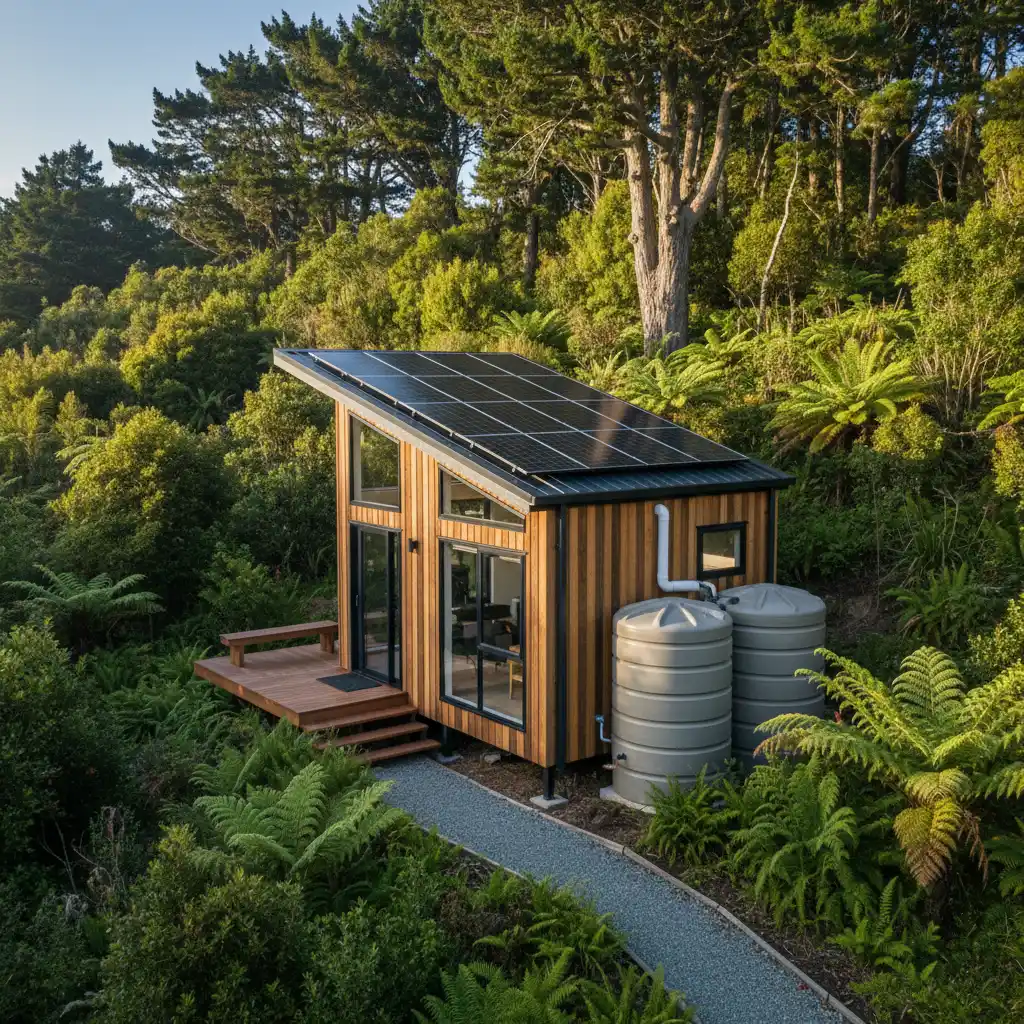
Kawerau enjoys a high number of sunshine hours, making solar power a financially viable option for homeowners. Modern builds in the area are increasingly incorporating photovoltaic panels and solar hot water systems. Furthermore, builders are utilizing passive design principles—orienting houses to capture winter sun while shading against summer heat—to reduce the need for artificial heating and cooling.
Affordability and Sustainability
One of Kawerau’s unique selling points is that land is relatively more affordable than in neighboring Tauranga or Whakatāne. This lower entry cost allows homeowners to invest more capital into sustainable technologies, such as high-grade insulation, double glazing, and rainwater harvesting systems. We are seeing a rise in:
- Tiny Homes: Minimalist living spaces that require fewer resources to build and maintain.
- Homestar Ratings: New builds aiming for higher Homestar ratings, ensuring energy efficiency and health.
- Retrofitting: Programs assisting owners of older mill houses to upgrade insulation and heating, improving energy efficiency across the board.
How does river stewardship impact sustainable living?
The Tarawera River is the lifeblood of the district. Sustainable living in Kawerau is inextricably linked to the health of this waterway. Conservation efforts focus on riparian planting—planting natives along the riverbanks to filter runoff and prevent erosion.
The Role of Water Metering
To encourage responsible usage, water management strategies are in place. Residents are educated on the value of water, not as an infinite resource, but as a precious commodity. Rainwater harvesting tanks are becoming a common sight in new developments, reducing the strain on the municipal supply and providing a backup water source for gardens during dry spells.
The Intersection of Green Jobs and Lifestyle
Sustainability in Kawerau is not just environmental; it is economic. The transition to a green economy is creating jobs in forestry management, geothermal engineering, and sustainable tourism. Living sustainably in Kawerau implies supporting a local economy that values long-term resource management over short-term gain.
For those seeking a lifestyle change, Kawerau offers a unique proposition: the ability to live in a community where the environment is a priority, housing is attainable, and the local industry supports a low-carbon future. Whether through participating in a community garden, retrofitting a home for energy efficiency, or simply enjoying the Kawerau Essential Services & Amenities, residents are active participants in a sustainable ecosystem.
What makes Kawerau a good location for sustainable living?
Kawerau offers a unique combination of affordable land, access to renewable geothermal energy, a climate suitable for solar power and gardening, and a strong community focus on conservation and waste reduction.
Are there recycling facilities available in Kawerau?
Yes, Kawerau has a comprehensive waste management system, including kerbside recycling collection and a resource recovery center aimed at minimizing landfill waste through sorting and repurposing materials.
Can I install solar panels on my home in Kawerau?
Absolutely. The Bay of Plenty region receives high sunshine hours, making solar panels a highly efficient and cost-effective investment for residential electricity generation in Kawerau.
How does the local industry in Kawerau support sustainability?
Local industries, particularly the large mills, utilize geothermal steam for energy, reducing reliance on fossil fuels. This “industrial symbiosis” creates a lower carbon footprint for the region’s economic output.
Are there community gardens in Kawerau?
Yes, there are community garden initiatives where residents can grow their own produce, learn about organic gardening, and share resources, promoting food sovereignty and social connection.
What is being done to protect the Tarawera River?
Conservation efforts include riparian planting to filter runoff, community cleanup events to remove plastics, and strict monitoring of industrial discharge to ensure the health of the river ecosystem.