Tarawera River swimming is safest and most popular in the upper reaches, specifically from the Lake Tarawera Outlet down to Kawerau township. While historical industrial pollution affected lower sections, the upstream areas near Tarawera Falls and Firmin Field offer crystal-clear water, scenic picnic spots, and designated swimming holes ideal for families and nature enthusiasts in 2025.
Is the Tarawera River Safe for Swimming?
For decades, the Tarawera River carried a heavy reputation, quite literally. Historically dubbed the “Black Drain” due to industrial discharge from the pulp and paper mills established in the 1950s, the lower reaches of the river suffered significant ecological degradation. However, relying on outdated information does a disservice to the incredible transformation of this waterway, particularly in the upper sections.
In late 2024 and heading into 2025, the narrative has shifted dramatically. The river is geographically divided into two distinct zones regarding swimming safety:
- Upper Reaches (Lake Outlet to Kawerau Bridge): This section flows through native bush and volcanic landscapes. The water here is generally pristine, clear, and highly rated for recreational contact. It is the primary focus for tourism and local recreation.
- Lower Reaches (Below Kawerau Industrial Zone): While massive strides have been made in environmental stewardship and water treatment, swimming immediately downstream of major industrial outfalls is still less common compared to the upper spots. However, ecological restoration projects are ongoing to restore the mauri (life force) of the entire river.
For potential residents looking at Kawerau real estate or tourists visiting the Bay of Plenty, the river is now a celebrated asset rather than a liability. The upstream swimming holes are some of the most scenic in the North Island, offering cool, fresh mountain water sourced directly from Lake Tarawera.
Top-Rated Swimming Holes on the Tarawera River
Finding the perfect spot to cool off is essential for enjoying the Kawerau summer. The local geography provides a variety of environments, from quiet, shallow pools for toddlers to deeper channels for confident swimmers.
The Outlet (Te Tapahoro)
Located where the river births from Lake Tarawera, The Outlet is a pristine, remote location accessible via a forestry road (permit required) or water taxi. The water here is incredibly clear and cool. It is a camping hotspot and offers a gentle current suitable for drift snorkeling. Because it is the source, the water quality is typically excellent, unaffected by agricultural runoff that plagues other New Zealand rivers.
Tarawera Falls Track Pools
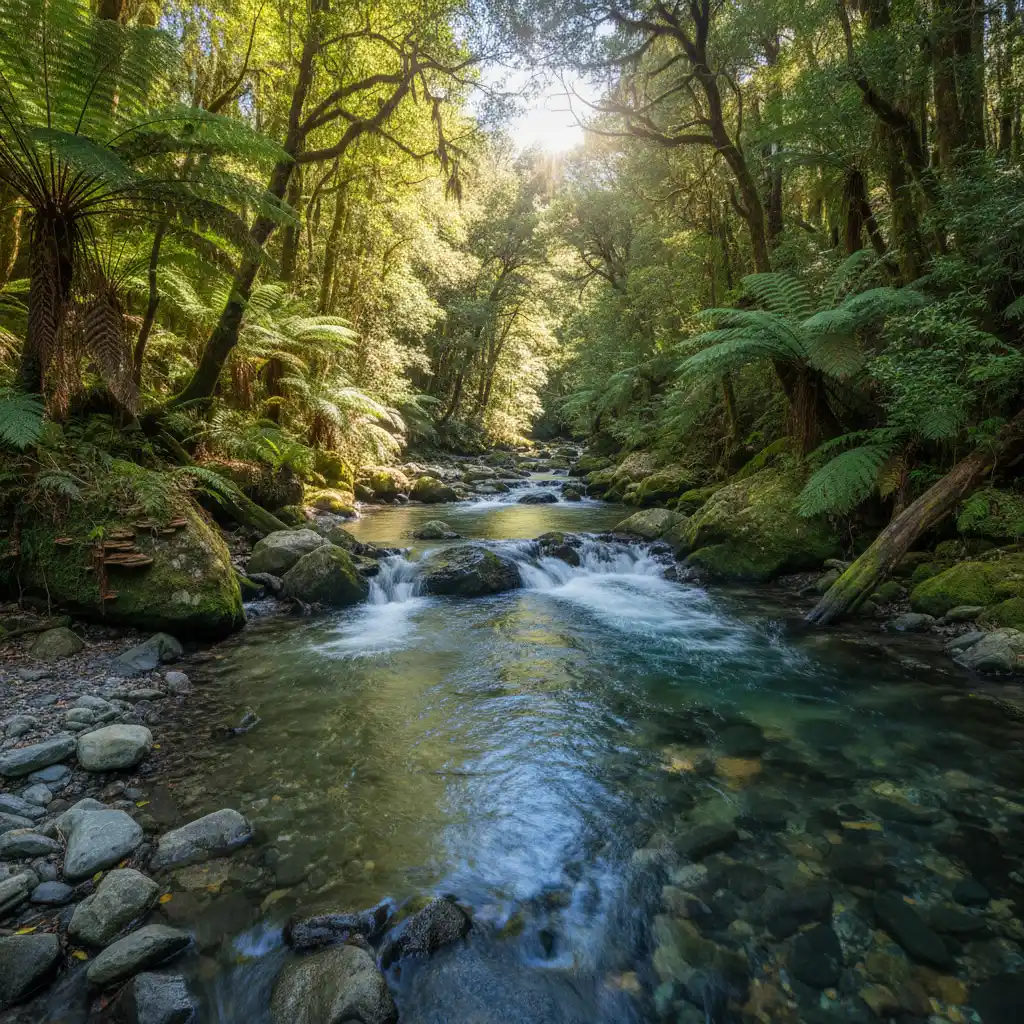
The Tarawera Falls are a spectacular sight where the river surges out of a fissure in the cliff face. While swimming directly under the massive falls is dangerous and discouraged due to the immense power of the water, the track leading to the falls features several calm pools and eddies. These spots are surrounded by lush native forest, providing a magical, secluded swimming experience. Hikers often use these pools to cool down after the walk from the car park.
Firmin Field and Waterhouse Street Reserve
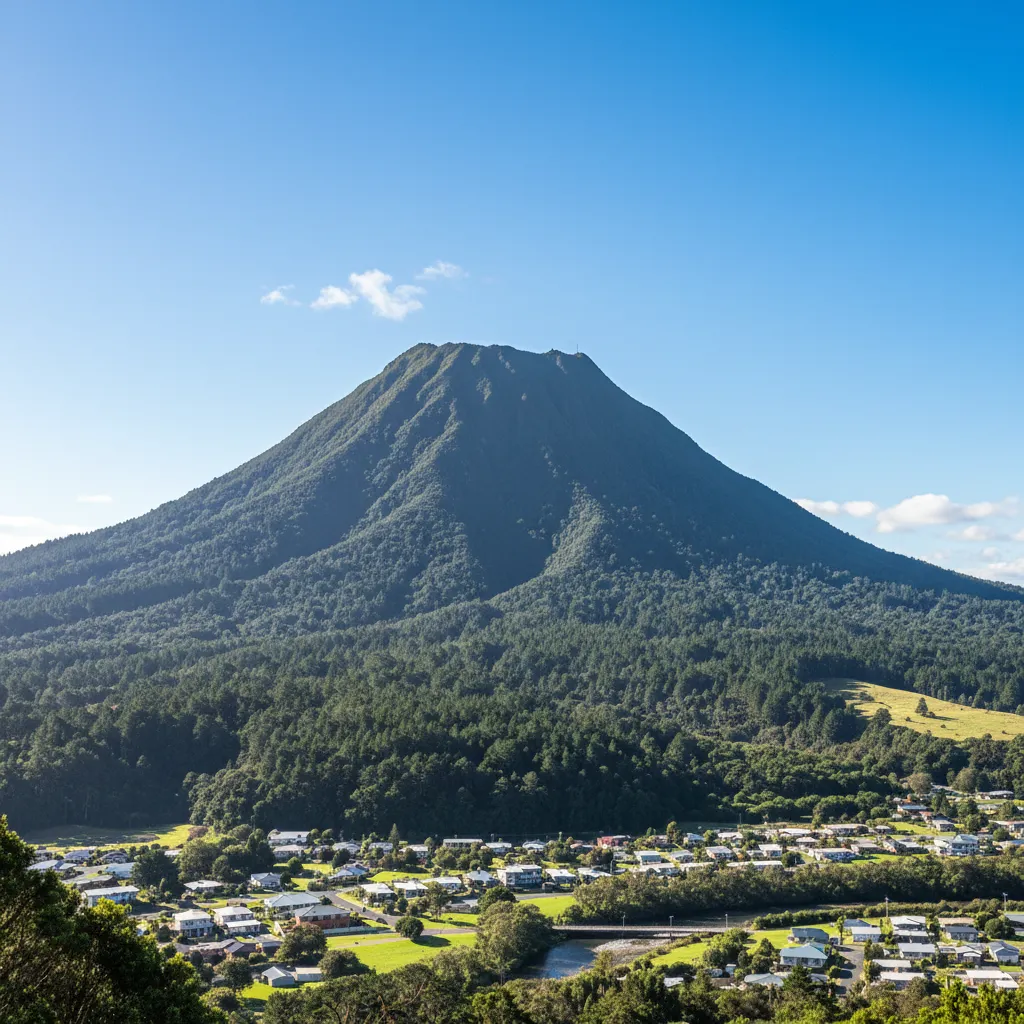
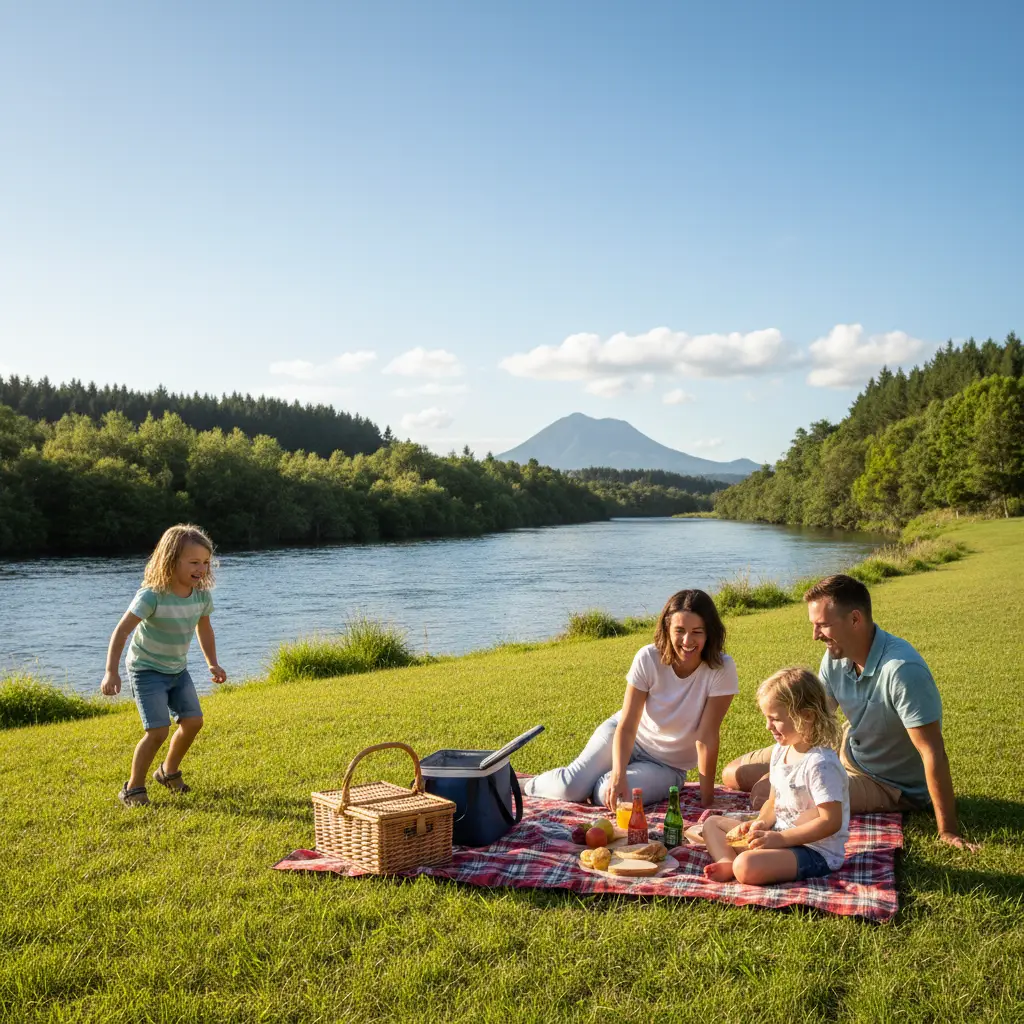
For those staying in Kawerau township, you don’t need to travel far. Firmin Field is the heart of riverside recreation in the town. This area is easily accessible with ample parking, picnic tables, and public toilets, making it the top choice for families.
The river here is wide and generally flows steadily. During summer, this spot is a hub of community activity. It is also a key venue for the famous King of the Mountain race and other multisport events. The banks are grassy and well-maintained, perfect for laying out a towel while the kids play in the shallows. Just downstream, the Waterhouse Street Reserve offers similar access with often quieter surroundings.
Waitinanu (Boy’s Brigade)
Located slightly further upstream from the town center, this area is a local secret often referred to as the “Boy’s Brigade” spot due to the nearby lodge. It offers a more rustic swimming experience with deeper sections. It is favored by teenagers and strong swimmers looking for a bit more adventure. The access is rugged, and facilities are minimal compared to Firmin Field, but the connection to nature is superior.
Understanding Water Quality and Safety Alerts
Even in the cleanest rivers, water quality fluctuates based on weather and season. To ensure your family’s safety in 2025, it is critical to consult official data sources before swimming.
How to Check LAWA Ratings
Land Air Water Aotearoa (LAWA) is the authority on swimming water quality in New Zealand. They monitor sites like “Tarawera River at Kawerau” regularly during the summer swim season (November to March).
Green status indicates the water is safe for swimming.
Amber status suggests caution.
Red status means swimming is unsafe, usually due to high E. coli levels.
The Impact of Rainfall and Runoff
A general rule of thumb for all New Zealand rivers, including the Tarawera, is to avoid swimming for 48 hours after heavy rainfall. Rain washes contaminants from the surrounding land—such as animal waste from farms or urban runoff—into the waterway. This temporarily spikes bacterial levels and turns the water murky. If you cannot see your toes when standing in knee-deep water, it is best to stay out.
Cyanobacteria (Toxic Algae) Awareness
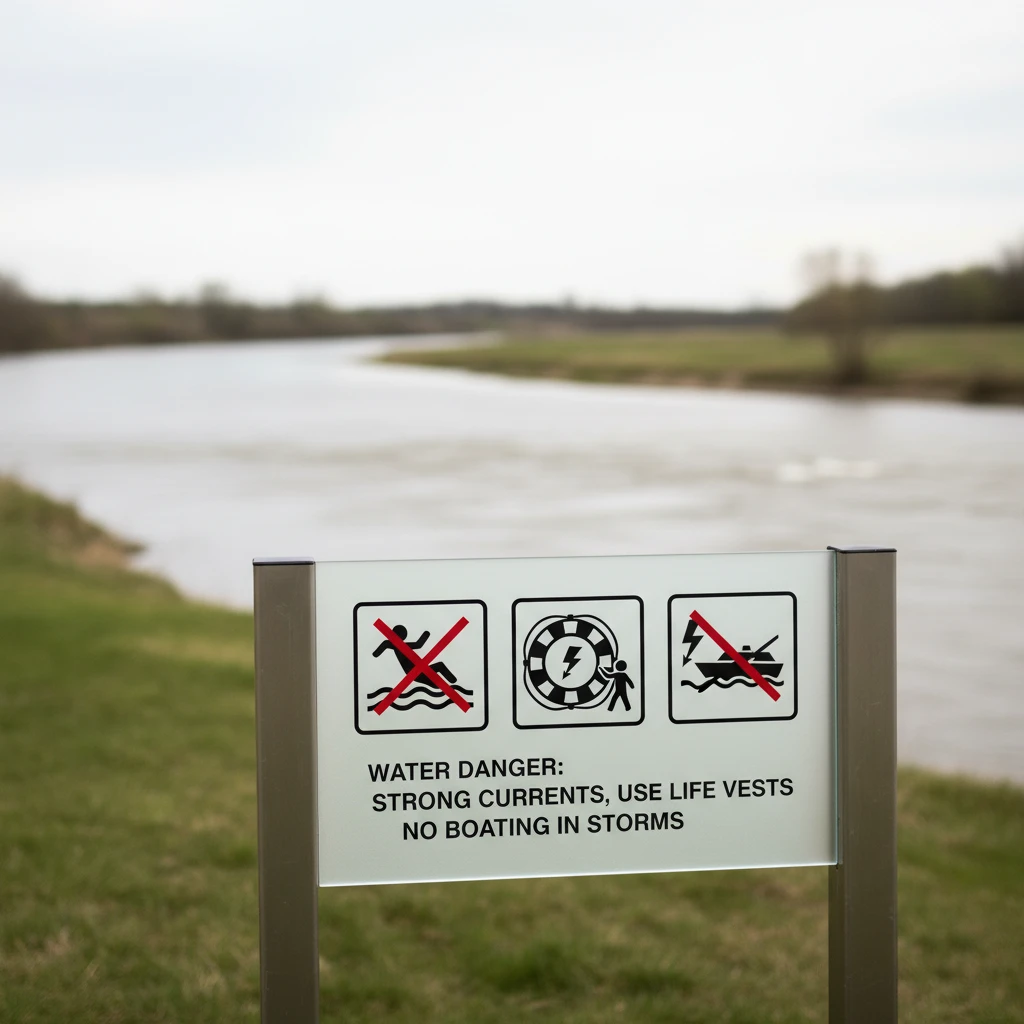
During hot, dry summers, river flows can decrease, and water temperatures rise, creating conditions for cyanobacteria (toxic algae) to bloom. In the Tarawera River, this usually manifests as dark brown or black mats covering rocks in the riverbed.
Critical Warning: These mats are highly toxic to dogs. If you see detached algal mats floating at the water’s edge, keep your pets on a lead and out of the water. For humans, contact can cause skin rashes and nausea.
Essential River Safety for Families
Rivers are dynamic, living environments that behave differently from swimming pools or the ocean. The Tarawera River has a consistent flow that can mask powerful currents beneath the surface.
Supervising Children by the River
Active supervision is the single most effective defense against drowning. At spots like Firmin Field, the relaxed atmosphere can lead to a false sense of security.
The 2025 Safety Standard:
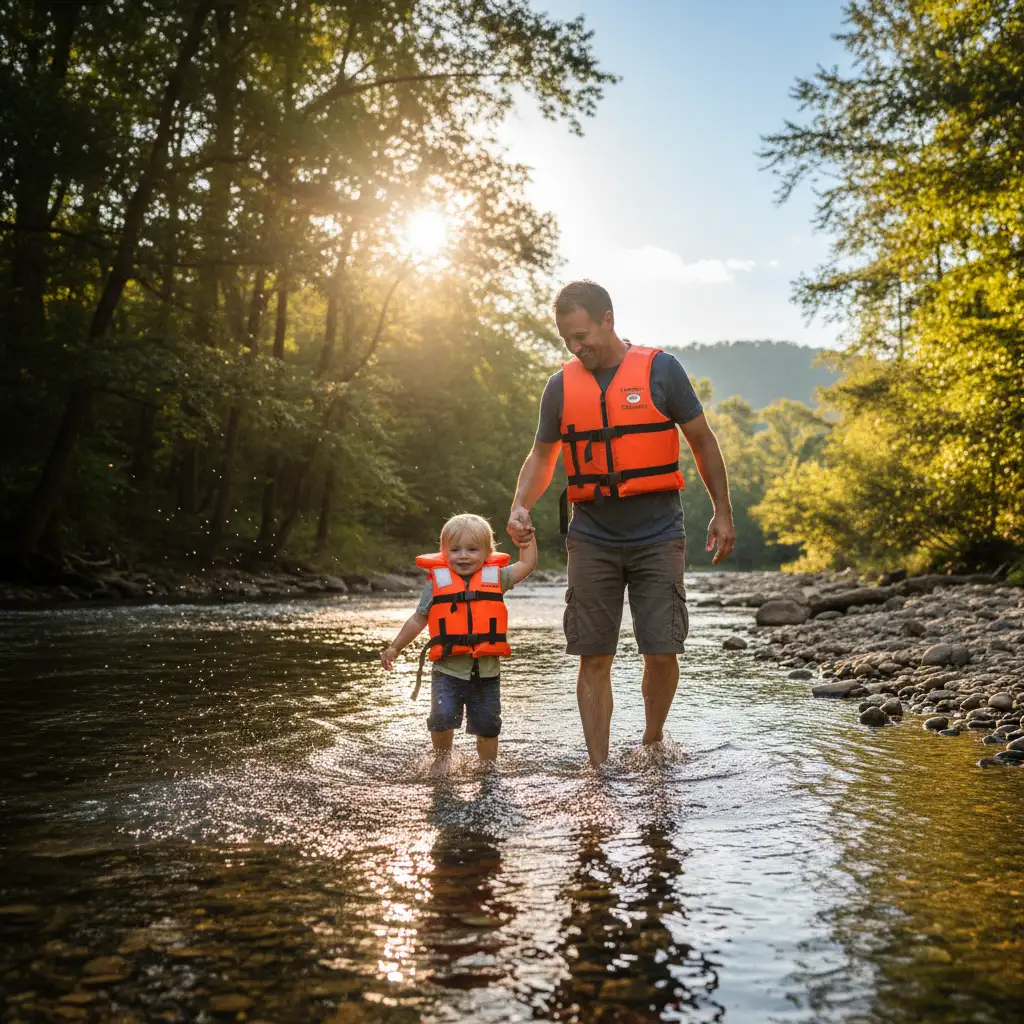
For children under five, you should be within arm’s reach at all times. For older children, constant visual contact is mandatory. Designate a “Water Watcher”—an adult whose sole job is to watch the swimmers without distractions like phones or books. Rotate this role every 15 minutes to keep focus sharp.
Reading River Currents and Hazards
Before entering the Tarawera River, take two minutes to scan the water. Look for:
Eddies: Swirling water behind rocks where the current is weaker—good for resting.
Strainers: Fallen branches or trees submerged in the water. These are extremely dangerous as the current flows through them, but a swimmer can get pinned against them. Avoid swimming near overhanging willows or submerged logs.
River Depth: Never dive headfirst into the Tarawera River. The clarity of the water can distort depth perception, and rocks or logs may shift after heavy rain events. Always jump feet first or wade in.
The Kawerau Lifestyle: Living by the Awa
The revitalization of the Tarawera River image aligns with the broader rebranding of Kawerau as a lifestyle destination. Once viewed solely as an industrial mill town, Kawerau is increasingly attracting young families and retirees drawn by affordable real estate and unparalleled access to nature.
Living near the Tarawera River offers a unique daily rhythm. Residents enjoy trout fishing, kayaking, and swimming literally minutes from their front doors. The local council has invested in river walkways and parks, turning the river corridor into a community spine that connects neighborhoods.
For real estate investors or homebuyers, properties bordering the reserves at Firmin Field or Waterhouse Street command attention. The ability to walk to a swimming hole in summer is a high-value amenity that differentiates Kawerau from inland towns without water access. The river is no longer just a resource for industry; it is the recreational heart of the district.
Frequently Asked Questions
Is it free to swim in the Tarawera River?
Yes, swimming in the Tarawera River is completely free. Public access points like Firmin Field and Waterhouse Street Reserve are maintained by the Kawerau District Council. However, accessing the upper reaches near Tarawera Falls requires a forestry access permit for your vehicle, which incurs a small fee.
Can you fish in the Tarawera River?
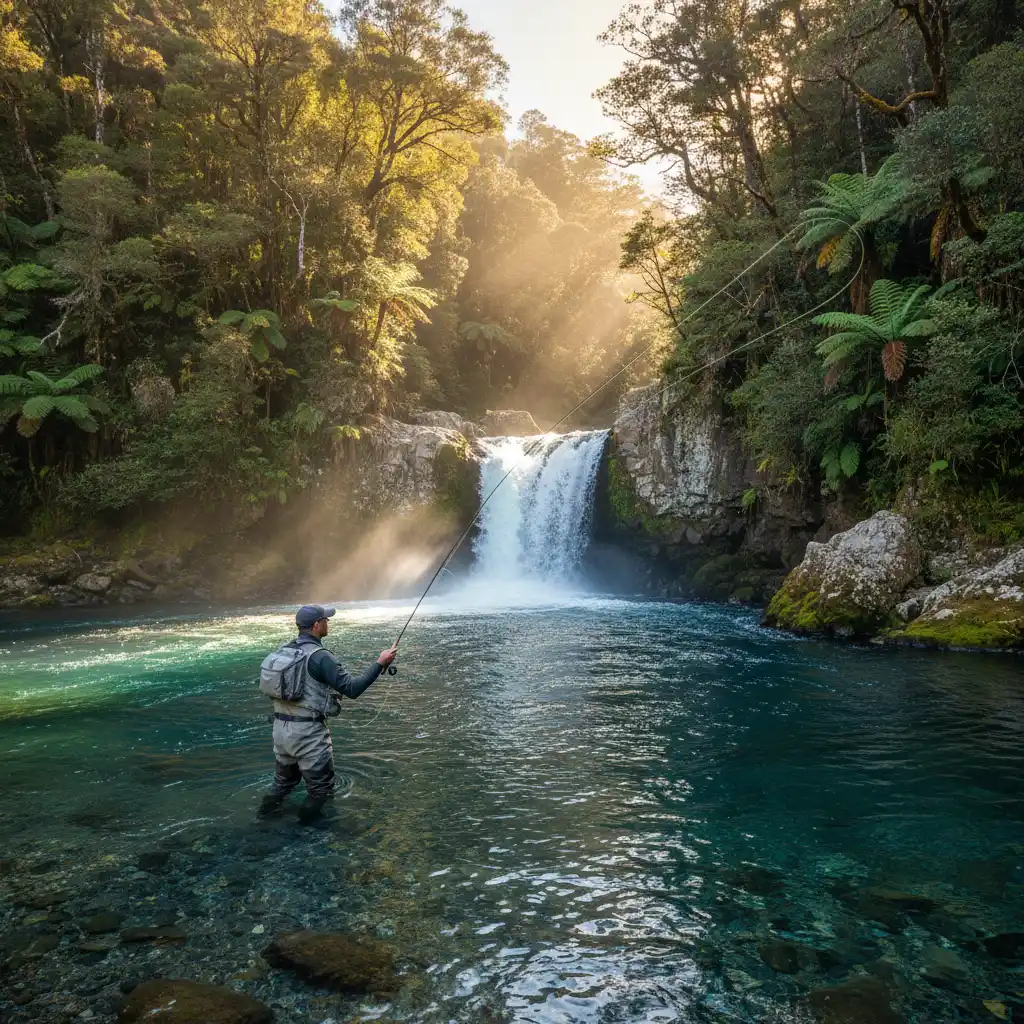
Absolutely. The upper reaches of the Tarawera River are renowned for Rainbow and Brown Trout fishing. It is open year-round, but you must hold a valid Fish & Game sports fishing license. The river offers excellent nymph and dry fly fishing opportunities.
Is the water temperature warm?
The Tarawera River is generally cool and refreshing. Because it is fed by Lake Tarawera and mountain tributaries, it does not get as warm as coastal beaches. In summer (January/February), temperatures are pleasant for swimming, usually sitting between 18°C and 21°C (64°F – 70°F).
Are there lifeguards at Tarawera River swimming spots?
No, the river swimming spots in Kawerau and the upper reaches are not patrolled by lifeguards. Swimmers enter at their own risk. It is vital to assess conditions yourself and ensure weak swimmers wear life jackets.
How deep is the Tarawera River at Firmin Field?
The depth varies significantly. Near the banks, it is shallow and suitable for wading, but the central channel can be 2 to 3 meters deep with a stronger current. The riverbed is rocky and uneven, so depth can change abruptly.
What facilities are available at the swimming holes?
Firmin Field is the best-equipped location, featuring public toilets, changing areas, picnic tables, and ample parking. The Tarawera Falls car park has basic toilets, but The Outlet and other remote spots have limited to no facilities, so you must pack in and pack out all supplies.