To book a Tarawera rafting tour, select a licensed operator within the Kawerau district offering Grade 2 and 3 river experiences. Reservations should be made at least 48 hours in advance during peak season. Most bookings include professional guides, safety gear, and transport to the river entry point, ensuring a seamless adventure on New Zealand’s dynamic waterways.
The Tarawera River is not merely a body of water; it is the adrenaline-fueled artery of the Kawerau region. Winding through native bush and volcanic landscapes, this river offers one of New Zealand’s most accessible yet thrilling white-water experiences. Whether you are a seasoned paddler or a first-time adventurer looking to step outside your comfort zone, booking a rafting tour here is the gateway to the Bay of Plenty’s hidden gem.
As part of the Kawerau Regional Growth & Relocation & Digital Nomad Lifestyle Hub’s initiative to promote local ecotourism, this guide serves as your comprehensive manual for securing your spot on the water. From navigating cancellation policies to understanding group pricing structures, we provide the transactional details necessary to ensure your trip is safe, affordable, and unforgettable.
Why Book a Tarawera Rafting Tour?
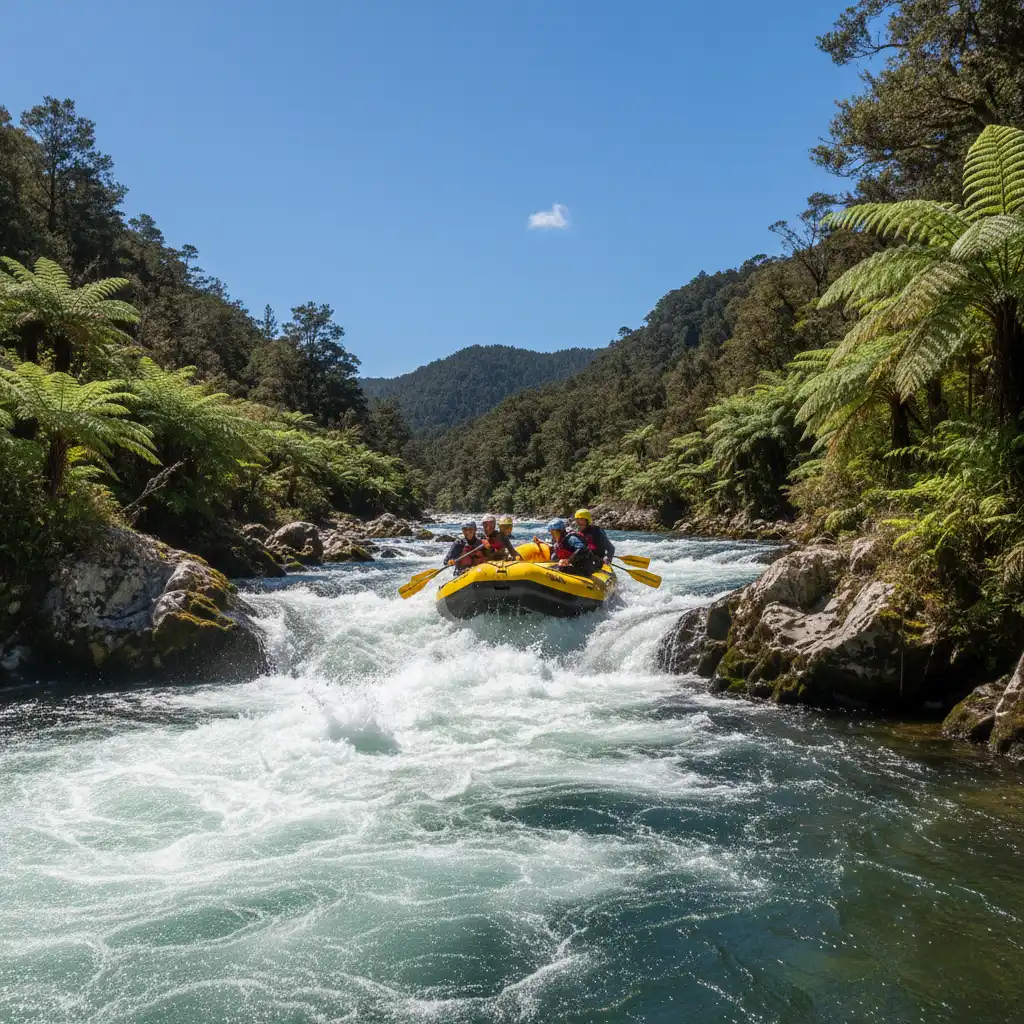
Before finalizing your reservation, it is essential to understand the unique value proposition of the Tarawera River. Unlike the extreme Grade 5 drops of the nearby Kaituna, the Tarawera offers a consistent Grade 2 to Grade 3 experience. This classification makes it the ideal “bridge” river—exciting enough to get your heart racing, but manageable enough for families and corporate teams.
The “Warm” River Advantage
One of the distinct features often associated with the wider Bay of Plenty geothermal system is the water temperature. While not a hot spring, the Tarawera River enjoys a milder temperature profile compared to the glacial runoffs found in the South Island. This makes falling in—a likely occurrence during the playful rapids—part of the fun rather than a freezing shock. Booking a tour here means you can enjoy the water for longer periods, making it a superior choice for shoulder-season rafting (Spring and Autumn).
Cultural and Scenic Immersion
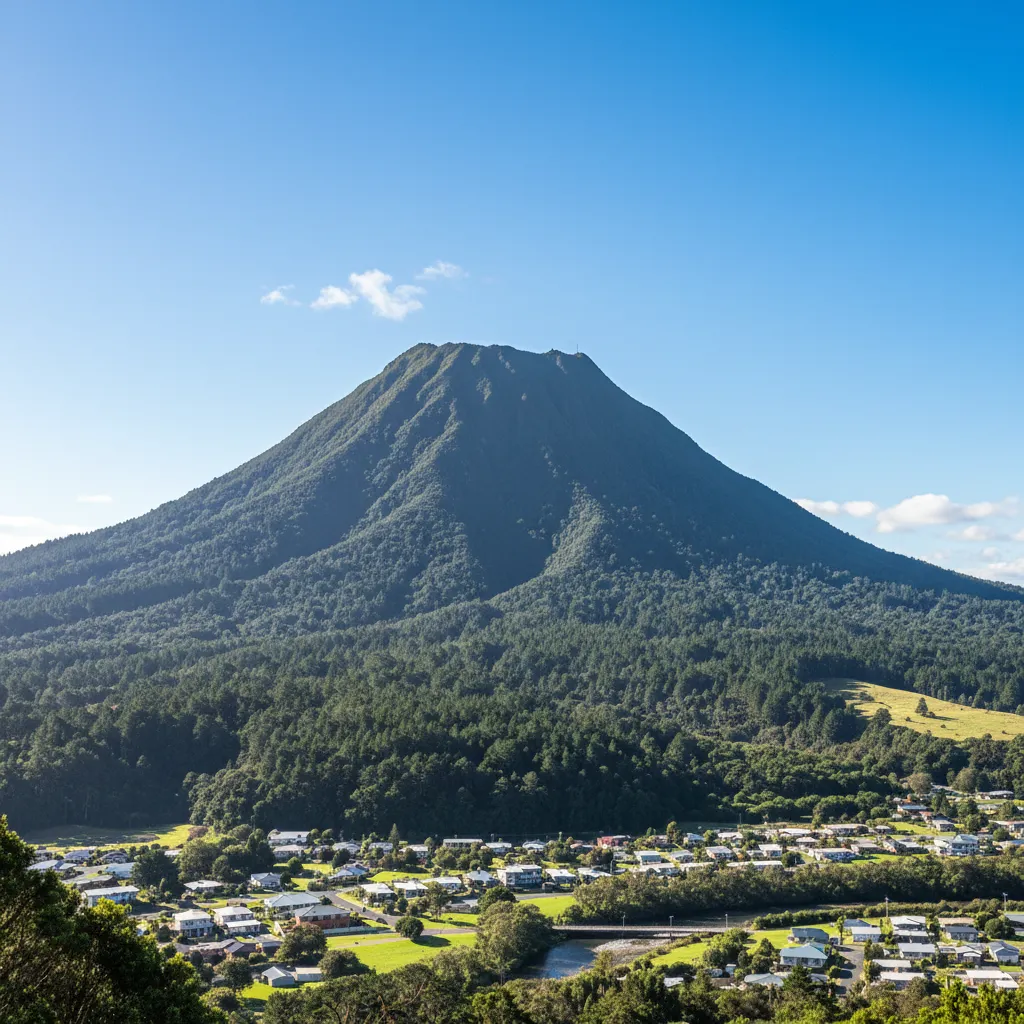
When you book a tour, you aren’t just paying for a draft; you are paying for access to a landscape steeped in history. The river flows past the imposing Mt. Putauaki, a site of immense cultural significance to the local Iwi. Professional guides on these tours are often locals who share stories of the land, the volcanic history of the region, and the biodiversity of the river banks. This narrative element transforms a physical activity into a cultural experience.
Direct Booking Guide: Securing Your Spot
Ready to commit? The booking process for Tarawera rafting is streamlined, but inventory can fluctuate rapidly, especially during school holidays and summer weekends (December through February). Here is how to navigate the reservation process effectively.
Step-by-Step Booking Procedure
- Select Your Operator: Ensure you are booking with a Qualmark Gold or Silver certified operator. This ensures the highest safety standards.
- Choose Your Time Slot: Most operators run two trips daily: a morning run (usually around 9:00 AM) and an afternoon run (around 1:30 PM). The morning light is best for photography, while the afternoon sun warms the canyon.
- Input Participant Details: You will need to provide accurate weights and ages for all participants to ensure the correct safety gear (PFDs and helmets) is allocated.
- Payment Confirmation: A deposit is typically required to hold the booking, with full payment due prior to departure.
Pro Tip: While third-party aggregators (like TripAdvisor or Viator) offer bookings, booking directly through the operator’s website often allows for better communication regarding weather updates and provides more flexibility for rescheduling.
Group Discounts and Pricing Information
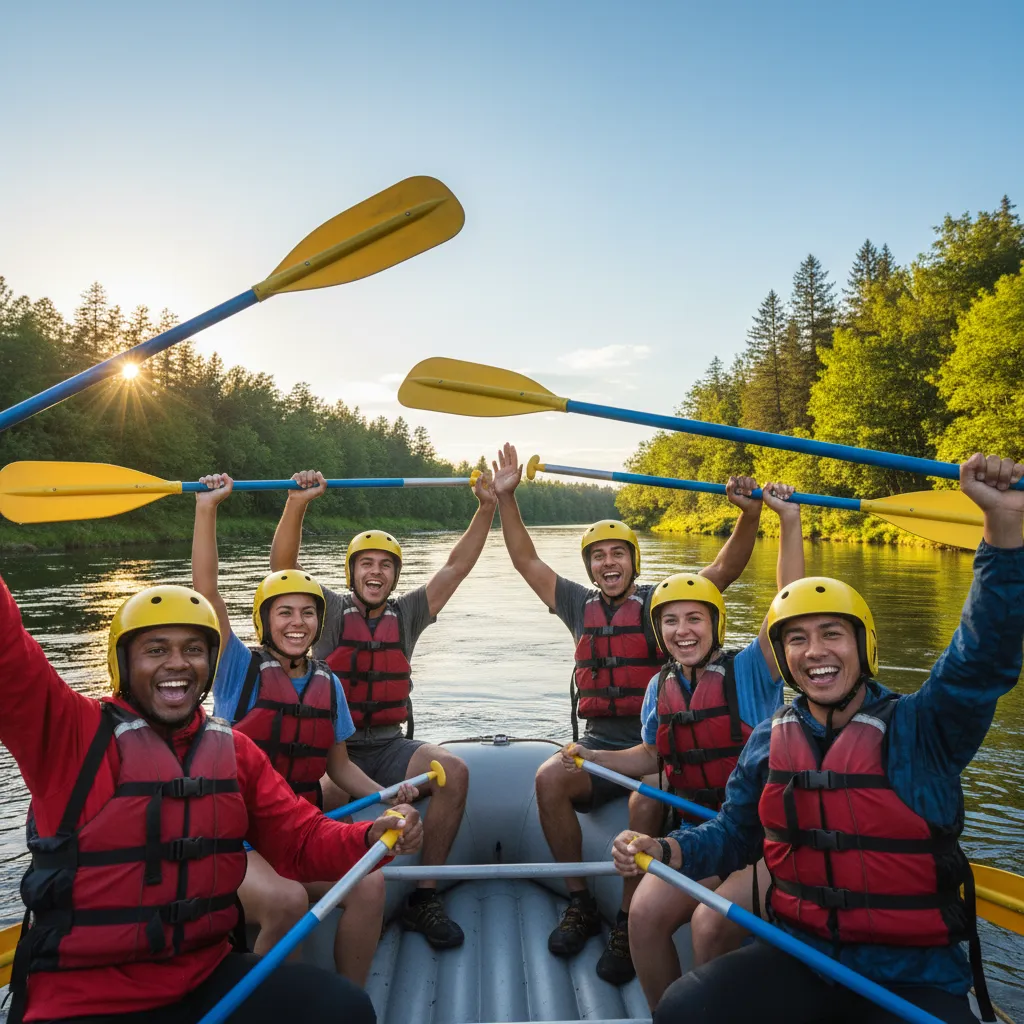
Rafting is an economy-of-scale activity. Operators prefer full rafts (usually 6-7 people plus a guide) over half-empty ones. Consequently, the pricing structure heavily favors groups.
Standard Pricing Tiers
While prices are subject to change, the general market rate for a Tarawera rafting experience falls within these brackets:
- Adults: $110 – $140 NZD per person.
- Children (Under 15): $80 – $100 NZD per person.
- Family Pass (2 Adults, 2 Children): $350 – $400 NZD (approx. 15% savings).
Large Group and Corporate Rates
For groups exceeding 10 participants, such as corporate team-building events, stag dos, or school groups, direct negotiation is recommended. Discounts for large groups can range from 20% to 30% off the rack rate. Furthermore, many operators in Kawerau can partner with local catering services to provide a BBQ lunch post-rafting as part of a package deal.
School Groups: Educational rates are significantly lower to encourage outdoor education. Teachers should contact operators at least three months in advance to secure these specialized rates and complete necessary Risk Analysis and Management System (RAMS) forms.
Cancellation and Rescheduling Policies
Understanding the fine print regarding cancellations is crucial for transactional confidence. Weather in the Bay of Plenty is generally mild, but river levels can change. Here is what you need to know before you click “Pay Now.”
Operator-Initiated Cancellations
If the operator cancels the trip due to unsafe river conditions (e.g., extreme flooding or high winds), you are entitled to a full refund or a free reschedule. This is a standard industry practice protected by New Zealand consumer law. Do not accept a voucher if you cannot return to the area; insist on a refund if the service cannot be provided.
Customer-Initiated Cancellations
If you need to cancel your booking, the following timeline generally applies:
- More than 48 hours notice: Full refund (minus a small administration fee, usually around 10%).
- 24 to 48 hours notice: 50% refund. This covers the lost opportunity cost for the operator who likely turned away other customers.
- Less than 24 hours notice / No Show: No refund. The guides and logistics have already been paid for.
Medical Exceptions: Most operators will offer a full refund or reschedule at any time if a medical certificate is provided, proving a participant is unfit to raft (e.g., injury or illness).
Preparation Guide: What to Bring on Your Rafting Trip
Your booking usually covers the heavy equipment: raft, paddle, helmet, wetsuit, fleece top, and splash boots. However, your personal comfort depends on what you bring to wear underneath and for the aftermath.
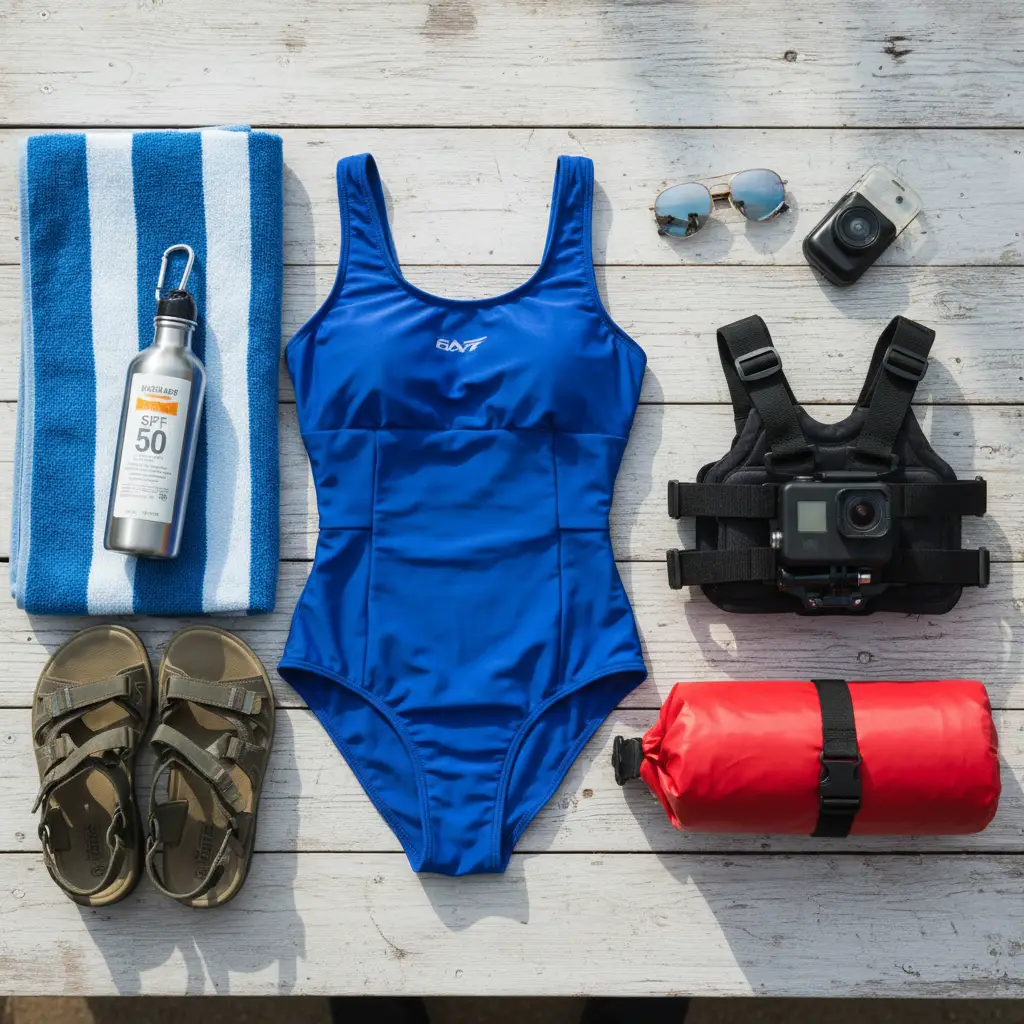
The Essential Packing List
- Swimwear: Speedos, bikinis, or board shorts to wear under the wetsuit. Avoid cotton, as it gets cold and heavy when wet.
- Towel: Essential for drying off at the base.
- Sunscreen: Even on cloudy days, the UV index in New Zealand is high, and water reflection amplifies it. Apply zinc to your nose and cheeks.
- Medication: If you require asthma inhalers or EpiPens, bring them. Guides carry waterproof dry bags specifically for this purpose.
- GoPro/Action Camera: Most helmets have mounts. If you bring a camera, ensure it has a floatation device or a secure wrist strap. Operators are not liable for cameras lost to the river gods.
- Change of Warm Clothes: Even in summer, you may cool down quickly after the trip. Bring a hoodie and dry socks.
Safety Standards and Requirements
Safety is the paramount concern for any adventure tourism activity. The Tarawera River is regulated under the New Zealand Adventure Activities Regulations.
Age and Weight Limits
Generally, the minimum age for Grade 3 rafting on the Tarawera is 13 years old. However, some sections may be suitable for children as young as 10 if water levels are lower. There is typically no strict upper age limit, provided the participant is physically fit.
Weight limits are usually capped around 120kg – 130kg. This is not due to the raft’s buoyancy, but rather the fit of the safety equipment (wetsuits and life jackets) and the ability of guides to pull a participant back into the raft should they fall out.
Swimming Ability
Do you need to be a champion swimmer? No. Do you need to be comfortable in water? Yes. You will be wearing a Personal Flotation Device (PFD) that provides significant buoyancy. However, you must be able to follow instructions, hold your breath for short periods if submerged, and actively participate in paddling.
Getting to Kawerau: The Logistics

- From Rotorua: A 50-minute drive east via SH30. Many visitors base themselves in Rotorua and drive over for the day.
- From Whakatāne: A short 30-minute drive inland. This is the closest coastal town.
- From Tauranga: Approximately 1 hour and 15 minutes via the Tauranga Eastern Link and SH33/SH30.
Transport Options: While most visitors drive, some rafting operators offer Kawerau Shuttle Services for Hikers & Bikers from Rotorua for an additional fee. Check this option during the booking process if you do not have a rental car. To ensure a seamless trip, familiarize yourself with Kawerau Essential Services & Amenities, locating the Kawerau Motorhome Dump Stations & Water Fill if needed, checking the Kawerau Public Toilets & Showers Map, and checking the New World Kawerau: Grocery & Deli Hours for your supplies.
People Also Ask (PAA)
What is the minimum age for Tarawera rafting?
The standard minimum age for Grade 3 rafting on the Tarawera River is 13 years old. However, some operators may lower this to 10 years old for specific family-friendly trips or when river levels are lower and conditions are milder.
Is it safe to raft the Tarawera River if I can’t swim?
While you don’t need to be an Olympic swimmer, basic water confidence is required. You will be equipped with a high-buoyancy life jacket (PFD) that keeps you afloat. Non-swimmers should notify their guide beforehand so extra attention can be provided.
How long does the Tarawera rafting tour take?
The entire experience usually takes 3 to 4 hours. This includes gearing up, safety briefings, transport to the river, approximately 1.5 to 2 hours of actual time on the water, and returning to base to change.
Can I wear glasses or contact lenses while rafting?
Yes, you can. If you wear glasses, you must use a secure sports strap to prevent them from falling off. Contact lenses are fine, but there is a risk of losing them if you open your eyes underwater, so disposable lenses are recommended.
What happens if it rains on the day of my booking?
Rafting is a wet activity, so trips go ahead rain or shine! In fact, rain can make the experience more atmospheric. Trips are only cancelled if river levels rise to dangerous heights or if there are severe storms.
Are GoPro cameras allowed on the raft?
Yes, most operators encourage you to bring action cameras. Helmets usually come with standard mounts. However, you must bring your own mounting clip, and the camera is carried at your own risk.