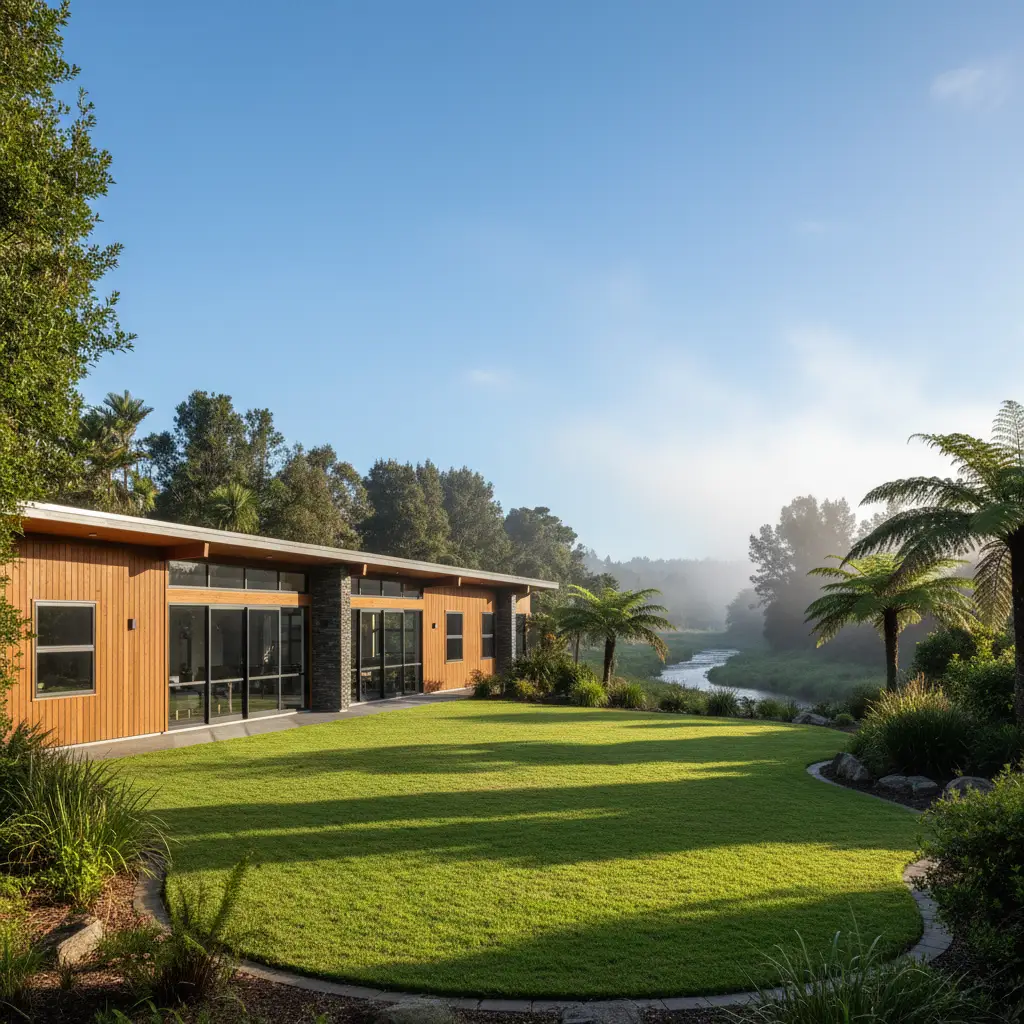
Kawerau offers distinct primary schooling options for Years 1–6, primarily served by Kawerau South School and Putauaki School. These institutions provide both mainstream New Zealand Curriculum and Māori medium education pathways. Upon completing Year 6, students typically transition to Tarawera High School, which caters to Year 7–13 students in a modern, innovative learning environment.
Located in the heart of the Bay of Plenty, Kawerau is increasingly recognized not just for its industrial heritage and stunning natural backdrop of Mount Putauaki, but as a family-friendly hub offering affordable living and a tight-knit community. For families relocating to the district, understanding the education landscape is a top priority. Unlike larger cities with complex zoning laws, Kawerau offers a streamlined and community-focused pathway for learners from early childhood through to tertiary foundations.
The district has seen significant investment in educational infrastructure over the last decade, ensuring that local tamariki (children) have access to modern facilities and digital learning tools. Whether you are looking for strong sporting cultures, academic support, or immersion in Te Reo Māori, the local schools provide robust options to suit diverse family needs.
Primary School Options in Kawerau
In the New Zealand education system, “Primary School” typically covers Years 1 through 6 (ages 5 to 10). In Kawerau, the structure is distinct in that the intermediate years (Years 7 and 8) are integrated into the local high school, meaning primary schools focus exclusively on the foundational years. This structure allows for a dedicated focus on literacy, numeracy, and social development before students graduate to the senior campus.
Kawerau South School
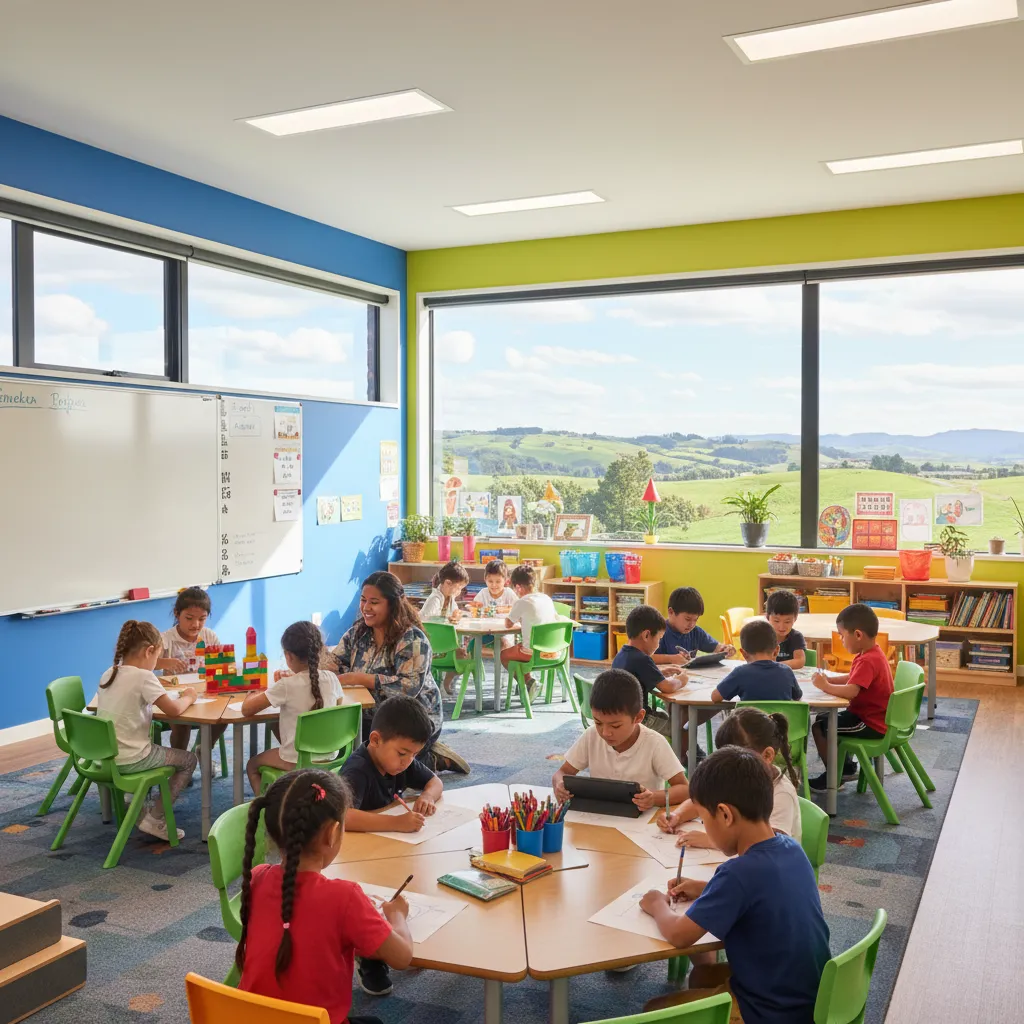
Kawerau South School is a central pillar of the local education community. Catering to students from New Entrants (Year 0) to Year 6, the school prides itself on creating a supportive, inclusive environment where every child is encouraged to reach their potential.
The school follows the New Zealand Curriculum with a strong emphasis on core subjects like Reading, Writing, and Mathematics, balanced by a rich inquiry-based learning approach. Key features of Kawerau South School include:
- Digital Fluency: The school integrates technology into the classroom, preparing students for a digital future while maintaining a balance with traditional handwriting and book work.
- Sport and Hauora: Physical well-being is a major focus. The school utilizes its expansive grounds for various sports, including rugby, netball, and athletics, fostering team spirit and healthy habits early on.
- PB4L (Positive Behaviour for Learning): As a PB4L school, there is a structured approach to social interactions, teaching students respect, responsibility, and safety.
Putauaki School
Putauaki School offers another vibrant option for families in the district. Also serving Years 1–6, Putauaki School is deeply connected to the local community and the cultural landscape of the region. The school is named after the majestic mountain that watches over the town, symbolizing the high aspirations held for every student.
Putauaki School is known for:
- Whānau Engagement: The school operates with an open-door policy, encouraging parents and extended family to be active participants in their child’s learning journey.
- Holistic Education: Beyond academics, there is a strong focus on the arts, performance, and environmental sustainability (Enviroschools), teaching children to care for their surroundings.
- Transitional Support: They have excellent programs in place to transition new entrants from ECE into the school environment, making the shift to “big school” less daunting for little ones.
Māori Medium and Cultural Education
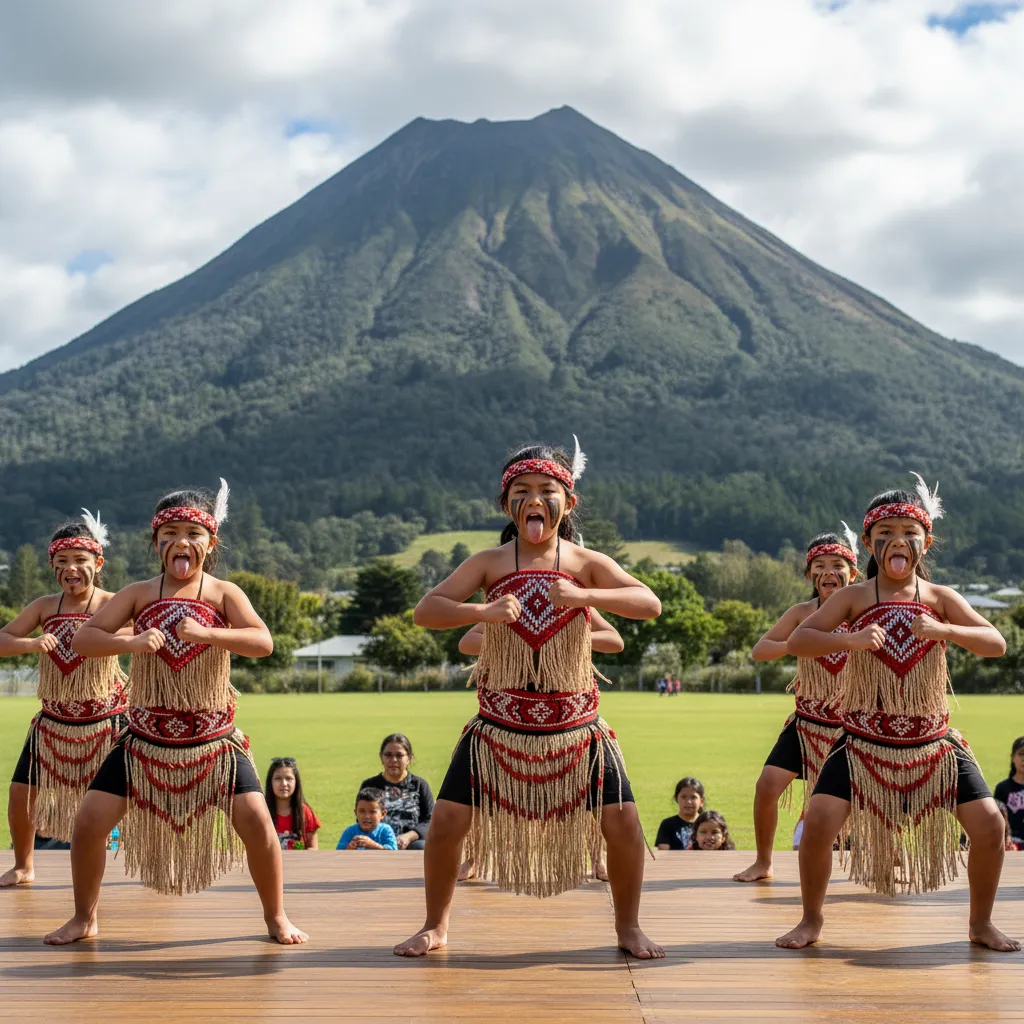
For families seeking bilingual or total immersion education, Kawerau provides pathways that celebrate and sustain Te Reo Māori and Tikanga Māori. The Bay of Plenty is a stronghold of Māori culture, and the local education system reflects this demographic and cultural richness.
Many local schools, including sections within the primary providers, offer Rumaki (immersion) or bilingual units. In these environments, the curriculum is delivered either partially or entirely in Te Reo Māori. This approach not only revitalizes the language but has been proven to strengthen cultural identity and self-esteem among Māori learners.
Benefits of Māori Medium Education in Kawerau:
- Cultural Competency: Students gain a deep understanding of their whakapapa (genealogy) and local history.
- Cognitive Advantages: Research consistently shows that bilingual children often develop superior problem-solving skills and cognitive flexibility.
- Community Connection: These units are often tightly knit, providing a village-like atmosphere for raising the child.
The Pathway Forward: Tarawera High School
Understanding the primary school landscape in Kawerau requires looking ahead to where these schools lead. Unlike many other New Zealand towns where students attend a separate Intermediate School for Years 7 and 8, Kawerau students graduate from Primary School at Year 6 and move directly to Tarawera High School.
A Modern Learning Environment
Tarawera High School is a standout facility in the region. Following a massive multi-million dollar redevelopment, the school boasts state-of-the-art facilities that rival those in major metropolitan areas. The school caters to Years 7 through 13.
Why the Year 7-13 Model Works for Kawerau:
- Seamless Transition: By entering the high school environment at Year 7, students avoid the “double disruption” of changing schools twice in two years (once for intermediate, once for college).
- Access to Specialist Facilities: Year 7 and 8 students gain early access to science labs, technology workshops, and art suites that are typically reserved for older students in other districts.
- Advanced Streaming: Academically gifted students in the junior high years can often be extended by accessing curriculum content from senior levels.
Early Childhood Education Centers
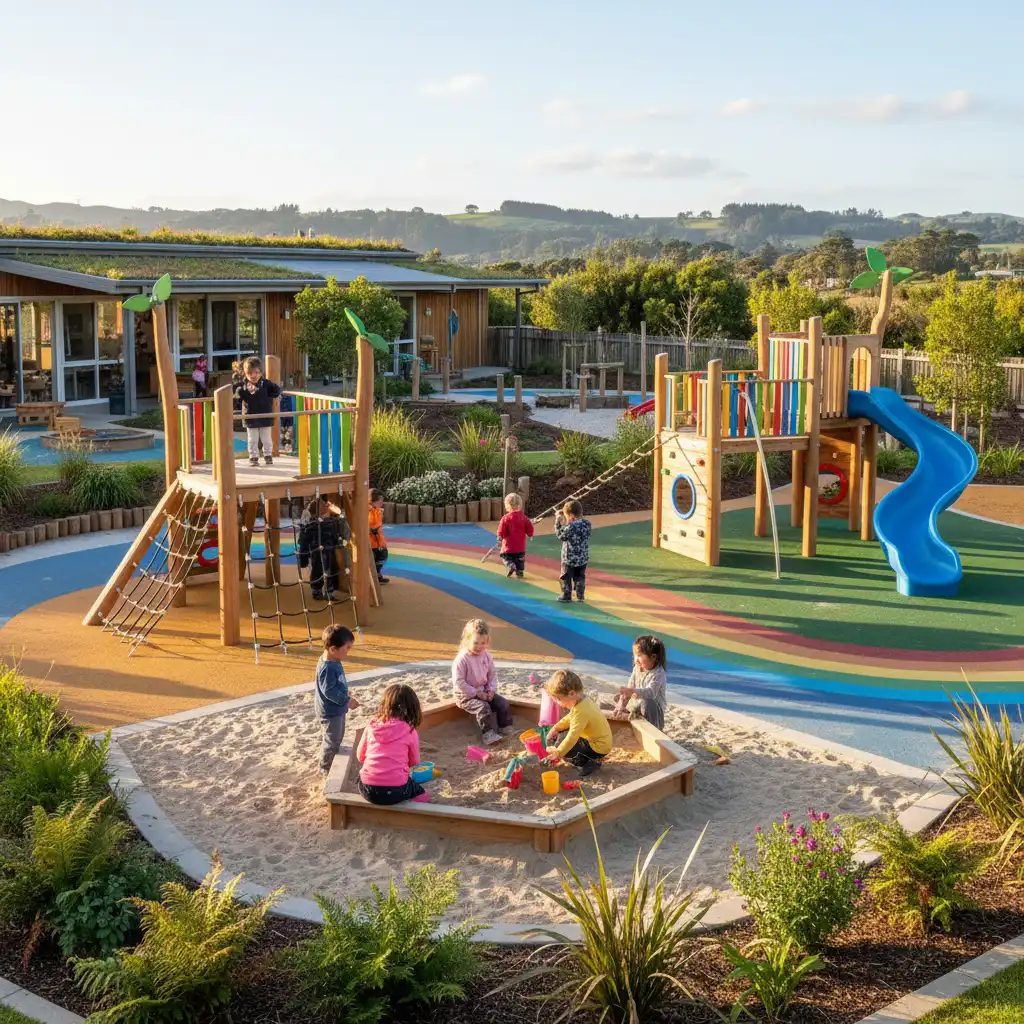
For families moving with younger children, the availability of quality Early Childhood Education (ECE) is often just as critical as primary schooling. Kawerau is well-served by a variety of centers, including Kindergartens, Kōhanga Reo, and private daycare providers.
Key ECE Options Include:
- Central Kids Kindergartens: Known for their “learning through play” philosophy and qualified teaching staff.
- Te Kōhanga Reo o Kawerau: Providing total immersion environments for whānau who want their tamariki grounded in Te Reo from birth.
- Home-Based Care: Various networks operate in the region for parents preferring smaller, home-style environments.
Most primary schools in the area have strong relationships with these local ECE providers, facilitating “school visits” for four-year-olds to ensure they are comfortable before their first day of school.
Curriculum and Regional Lifestyle
Education in Kawerau is not confined to the classroom. The district’s unique geography allows for a curriculum that is heavily influenced by the outdoors (“Place-Based Learning”).
The “Nature School” Advantage
With the Tarawera River, vast forestry, and the mountain on their doorstep, local schools frequently incorporate the environment into their studies. This might involve:
- Science: Water quality testing in the local river or studying geothermal activity.
- Physical Education: Trail running, kayaking, and outdoor survival skills are more accessible here than in urban centers.
- Sustainability: Many schools run extensive gardening and recycling programs, teaching children how to grow their own food—a skill highly valued in the provincial lifestyle.
Tertiary Options in the Wider Bay of Plenty
While the focus of this guide is primary education, long-term planning is essential for families. Once students complete their journey at Tarawera High School, the wider Bay of Plenty region offers excellent tertiary pathways without the need to move to Auckland or Wellington.
Toi Ohomai Institute of Technology
With campuses in nearby Whakatāne, Rotorua, and Tauranga, Toi Ohomai is the primary provider of vocational and degree-level education in the region. They offer courses relevant to the local economy, including forestry, engineering, nursing, and business.
University Pathways
The University of Waikato also maintains a strong presence in the Bay of Plenty, particularly with its Tauranga campus. This accessibility means that children starting their journey at a Kawerau primary school have a clear, local pathway all the way to university graduation.
Tips for Families Moving to Kawerau
If you are considering a move to Kawerau for its affordable housing and lifestyle pace, here is how to navigate the school enrolment process.
1. Zoning is Rarely an Issue
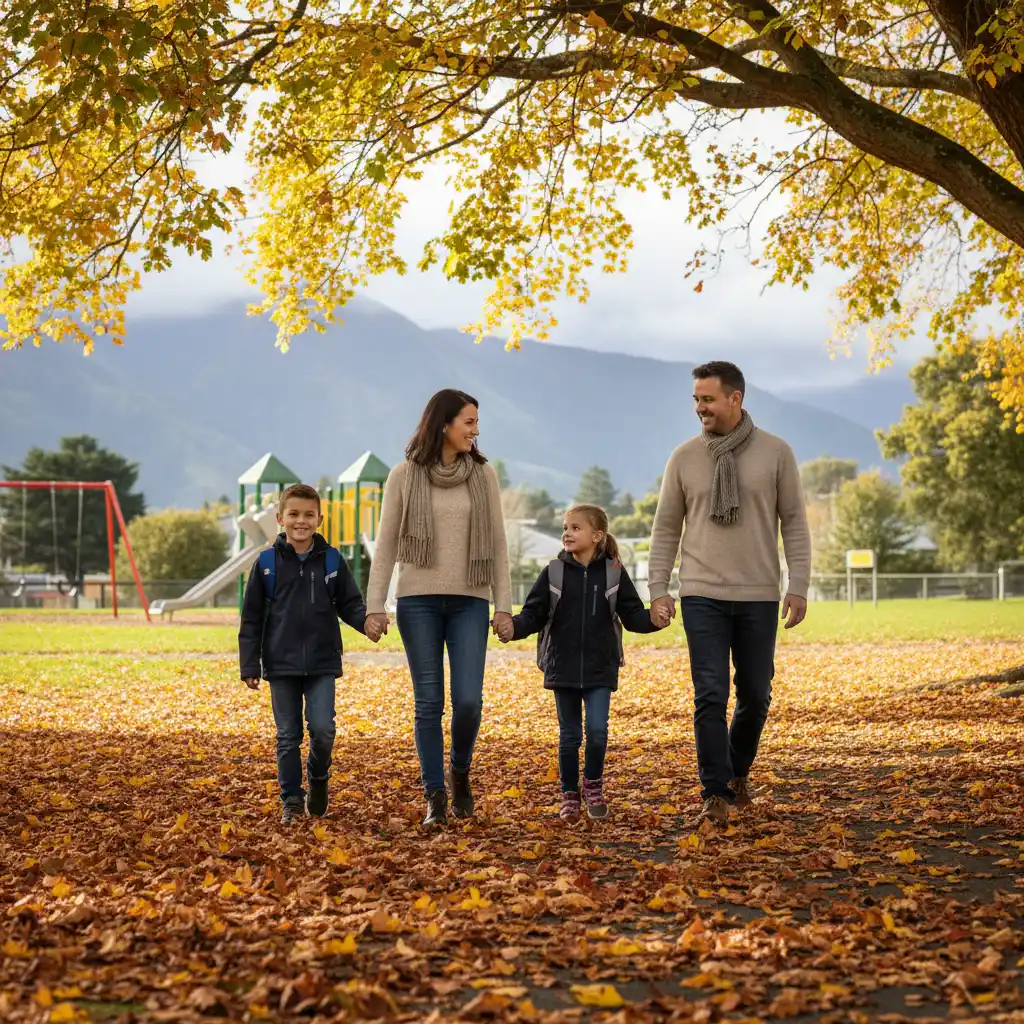
Unlike major cities where living on the wrong side of the street excludes you from a school, Kawerau’s schools are generally open to all local residents. This removes significant stress from the house-hunting process.
2. Visit Before You Enrol
Schools in Kawerau are community hubs. Call the office and ask for a tour. Meeting the Principal and seeing the classrooms in action is the best way to determine if the school’s “vibe” matches your child’s personality.
3. Check Transport Options
While the town is compact, check if your location is within walking distance or if you will need to utilize school bus services, especially if you live on the outskirts or in a rural lifestyle block surrounding the town.
4. Connect with the Community
Join local Facebook community groups. Parents in Kawerau are generally very helpful and honest about their experiences with different schools and can provide tips on uniforms, stationery lists, and upcoming school galas.
Frequently Asked Questions
Does Kawerau have an Intermediate School?
No, Kawerau does not have a standalone Intermediate School. Primary schools (Kawerau South and Putauaki) cover Years 1 to 6. Students then transition directly to Tarawera High School, which covers Year 7 to Year 13.
What age do children start school in Kawerau?
Children in New Zealand can start school on or after their 5th birthday. Attendance becomes compulsory from age 6. Most children in Kawerau start as “New Entrants” shortly after turning 5.
Are there Catholic or religious schools in Kawerau?
Currently, there are no specific state-integrated Catholic primary schools within Kawerau town boundaries. Families seeking Catholic education often look to nearby Whakatāne (St Joseph’s) or other neighboring districts, though this requires travel.
Is there school bus transport available?
Yes, school bus services operate for students living at a distance from their nearest school, particularly for those in the rural surrounds of the district. Eligibility usually depends on the distance from your home to the school.
What is the decile rating of Kawerau schools?
New Zealand has moved away from the decile system to the “Equity Index.” Kawerau schools generally receive higher equity funding, which allows them to provide additional resources, free school lunches (Ka Ora, Ka Ako), and extra learning support for students.
Do Kawerau schools offer free lunches?
Yes, schools in Kawerau participate in the Ka Ora, Ka Ako | Healthy School Lunches program. This provides free, healthy lunches to students every day, which is a significant financial relief for families and ensures all students are fueled for learning.