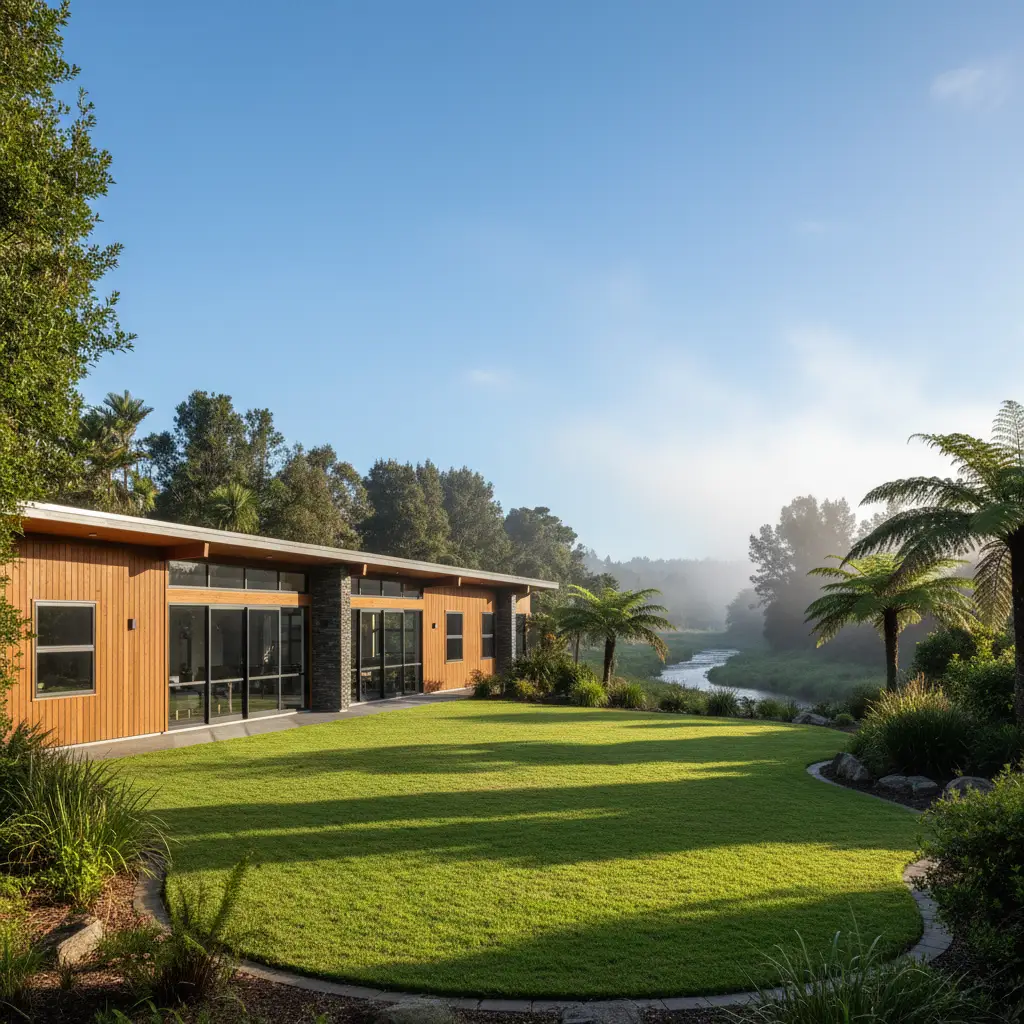
The Sir James Fletcher Kawerau Museum is a dedicated heritage institution located within the Kawerau District Library, focused on preserving the unique industrial and social history of the Kawerau district. It features extensive collections related to the Tasman Pulp and Paper Mill, local Māori history, and the town’s development, while serving as a vital hub for genealogical research and community archives.
Nestled in the heart of the Bay of Plenty, Kawerau is a town with a narrative distinct from any other in New Zealand. Known primarily as an industrial powerhouse driven by geothermal energy and forestry, the town’s soul is preserved within the walls of the Sir James Fletcher Kawerau Museum. For visitors, historians, and locals alike, this facility offers more than just a look into the past; it provides a comprehensive understanding of how a “company town” evolved into a thriving multi-cultural community.
Whether you are tracing your family tree, researching the engineering marvels of the mid-20th century, or simply looking to understand the region better, the museum stands as the authoritative source. This guide explores everything you need to know about visiting the museum, the significance of its collections, and the legacy of the man for whom it is named.
What Exhibits are in the Kawerau Museum?
The Sir James Fletcher Kawerau Museum is not a static repository of dusty items; it is a curated journey through the rapid transformation of a landscape. Unlike museums in older cities that span centuries of slow growth, this museum captures an explosion of development that occurred largely from the 1950s onward. The exhibits are designed to tell the story of a planned town, built specifically to service the Tasman Pulp and Paper Mill, and the people who moved from all over the world to work there.
Upon entering, visitors are greeted by a mix of industrial artifacts and intimate social history. The collections are roughly divided into three main pillars: the industrial machinery and engineering history, the domestic and social life of the early settlers, and the pre-European history of the area.
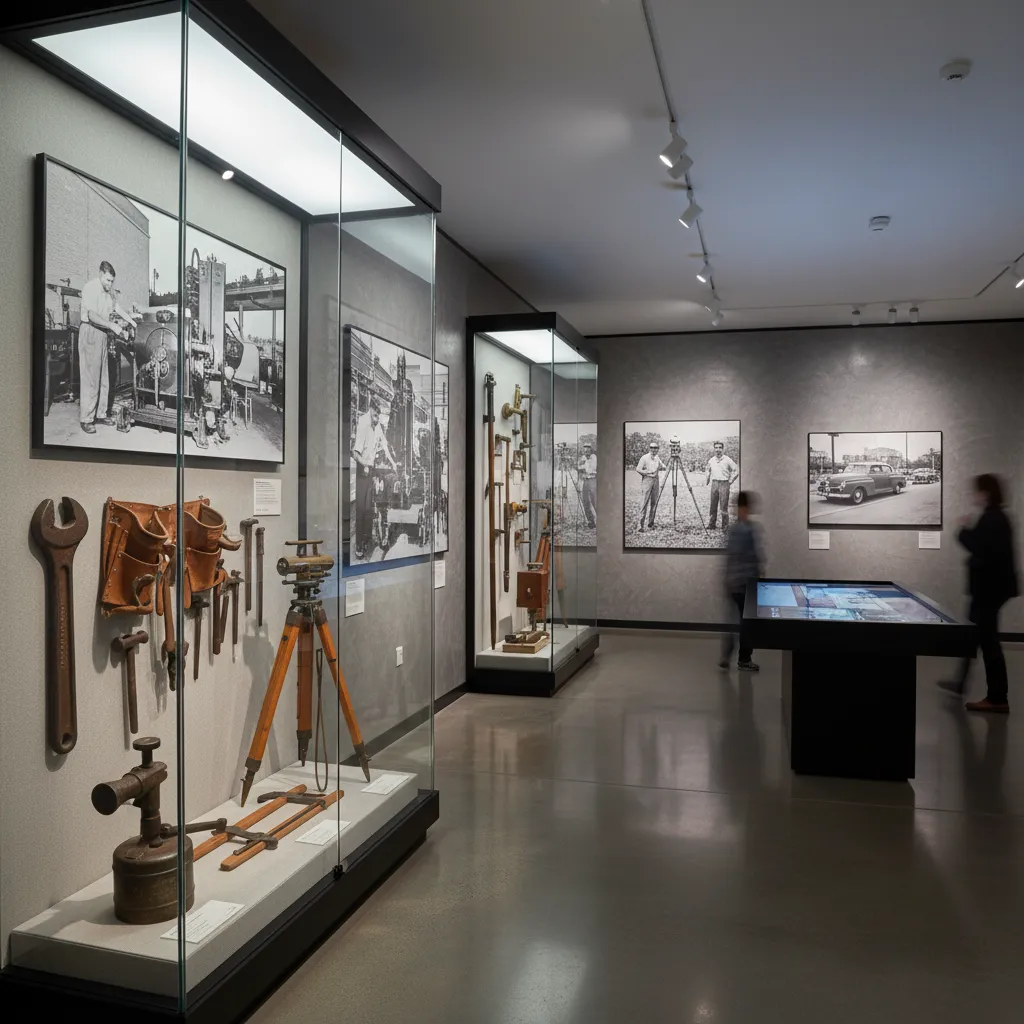
Key highlights often include photographic displays that chronicle the clearing of the land and the construction of the mill. These images are striking in their scale, showing the sheer magnitude of the earthworks required to build what was, at the time, a state-of-the-art industrial complex. You will also find physical artifacts such as early surveying equipment, tools used by the first mill workers, and memorabilia from the town’s opening ceremonies.
The “social history” aspect is equally compelling. The museum showcases what life was like for the families who moved to this new frontier. Displays often feature mid-century domestic items, school photographs, and records of the early sports clubs and social organizations that formed the backbone of the community. It paints a vivid picture of a town creating its identity from scratch.
Who Was Sir James Fletcher?
To understand the museum, one must understand the man whose name it bears. Sir James Fletcher was a titan of New Zealand industry and the founder of Fletcher Construction. His vision and drive were instrumental in the establishment of the Tasman Pulp and Paper Mill, which was the catalyst for Kawerau’s existence.
Sir James Fletcher (1886–1974) was a Scottish-born industrialist who emigrated to New Zealand in 1908. He built a construction empire that literally shaped the nation’s skyline and infrastructure. However, the Kawerau project was one of the most ambitious undertakings of his career. He recognized the potential of the Kaingaroa Forest and the geothermal resources of the area, championing the creation of a massive newsprint and timber industry.
The museum honors his legacy not just as a businessman, but as a “founding father” of the town. Without his negotiation skills, particularly in securing government partnership and overseas expertise, the Tasman Mill—and consequently the town of Kawerau—might never have been built. The museum houses biographical information on Sir James, detailing his interactions with prime ministers, international investors, and the workers on the ground. It serves as a testament to how corporate vision can directly result in community creation.
The Tasman Pulp and Paper Legacy
Kawerau is often referred to as “the town that paper built.” The industrial heritage section of the museum is perhaps its most significant contribution to New Zealand’s national history. The Tasman Pulp and Paper Mill was not just a factory; it was a project of national economic significance, designed to utilize the vast pine plantations of the central North Island.
The exhibits detail the technical challenges of building a heavy industrial plant in a geothermally active zone. Visitors can learn about the unique engineering solutions required to harness geothermal steam for processing timber—a pioneering feat at the time. The museum displays models of the mill, samples of the first paper produced, and safety equipment that has evolved over the decades.
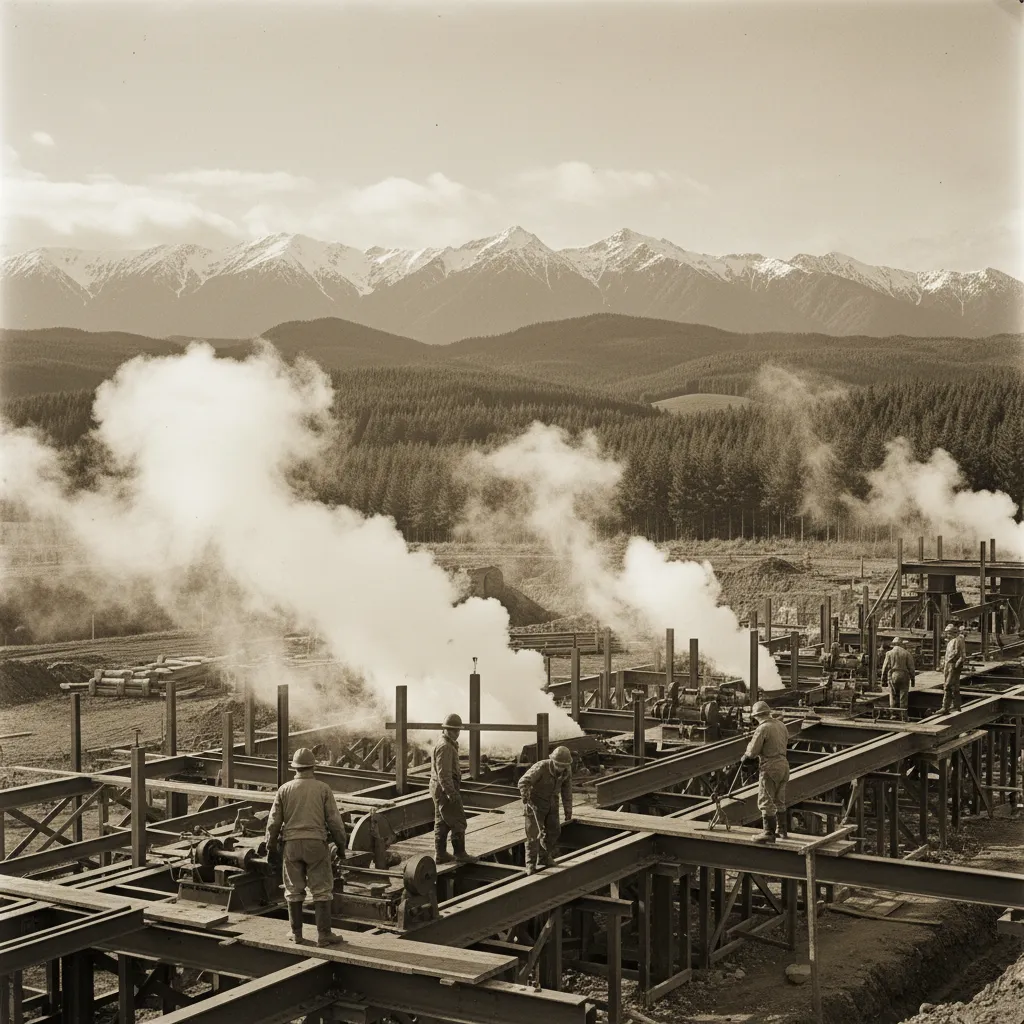
This section also explores the human element of the industry. It tells the stories of the shift workers, the engineers imported from Scandinavia and North America, and the distinct culture of the mill. The “mill whistle” governed the rhythm of the town for decades, and the museum captures this atmospheric dominance effectively. For engineering enthusiasts, the technical diagrams and progression of paper-making technology offer a fascinating deep dive into industrial mechanics.
Researching Local Genealogy and Archives
For many visitors, the primary draw of the Kawerau museum is its function as a research center. Because Kawerau is a relatively young town (established in 1953), its records are incredibly complete compared to older settlements where documents may have been lost to fire or flood. The museum acts as the memory bank for the district.
The museum holds an extensive collection of local newspapers, electoral rolls, school yearbooks, and cemetery records. If you have ancestors who worked at the Tasman Mill or lived in the Eastern Bay of Plenty during the mid-to-late 20th century, this is the place to find them. The photographic archive is particularly notable, containing thousands of digitized images of local people, events, and places.

Staff at the museum are often available to assist with inquiries. They can guide researchers through the microfiche readers or the digital databases. This service is invaluable for those compiling family histories. The archives also contain oral histories—recorded interviews with early residents—which provide a voice to the names on the paper, preserving the anecdotes and accents of the town’s pioneers.
Tangata Whenua and Early History
While the modern town of Kawerau is young, the history of the land stretches back centuries. The area is the ancestral home of Tūwharetoa ki Kawerau. The museum acknowledges and celebrates this deep connection to the land. While the primary focus is often on the industrial era, the pre-European context is vital for a complete understanding of the region.
Exhibits in this area may include taonga (treasures) found in the district, information on the significant local maunga (mountain) Pūtauaki (Mt Edgecumbe), and the history of the local marae. Understanding the relationship between the tangata whenua (people of the land) and the industrial developers is a complex and important part of the museum’s narrative. It highlights how the land was utilized long before the first pine tree was planted, focusing on the geothermal resources that were used for cooking and bathing by Māori for generations.
Opening Hours, Location, and Admission
Planning your visit to the Sir James Fletcher Kawerau Museum is straightforward. The museum is conveniently integrated with the Kawerau District Library, making it a central and accessible facility for all visitors.
Where is the Kawerau Museum located?
The museum is located at Jellicoe Court, Kawerau 3127. It is situated within the town center, with ample parking available nearby. The building is wheelchair accessible and offers a comfortable, climate-controlled environment.
What are the opening hours?
As the museum operates in conjunction with the library, the hours generally mirror library operations. However, it is always best to check the official Kawerau District Council website for holiday changes. Typical hours are:
- Monday to Friday: 10:00 AM – 5:00 PM
- Saturday: 10:00 AM – 1:00 PM
- Sunday: Closed
Is there an admission fee?
Admission to the Sir James Fletcher Kawerau Museum is generally free. Donations are often welcomed to help maintain the collections and support new exhibitions, but there is no ticket price for entry. This accessibility makes it a fantastic stop for families and educational groups.
Beyond the Museum: Exploring Kawerau
A trip to the museum should be part of a broader itinerary in the Kawerau district. Once you have absorbed the history, step outside to experience the physical reality of the landscape you just learned about.
Tarawera River: Famous for its white water kayaking, the river runs right through the town. There are beautiful walkways along the riverbank that offer a peaceful contrast to the industrial history.
Monarch Butterfly Park: Just a short distance from the town center, this park is a unique attraction, particularly in late summer when the butterflies are most active.
Tarawera Falls: While requiring a permit for vehicle access (available from the the information center which is often co-located or nearby), a trip to the falls is a must-do. The water flows out of a cliff face, a spectacular sight that highlights the unique geology of the volcanic plateau.
The Sir James Fletcher Kawerau Museum serves as the perfect starting point for any visit to the Eastern Bay of Plenty. It grounds the visitor in the local story, providing context to the steam rising from the ground and the endless rows of pine trees. It is a tribute to kiwi ingenuity, industrial ambition, and community spirit.
Is the Kawerau museum free to enter?
Yes, admission to the Sir James Fletcher Kawerau Museum is typically free for all visitors, though donations are appreciated to help support the maintenance of the exhibits.
Can I donate historical items to the museum?
The museum does accept donations of items that are relevant to the history of the Kawerau district and the mill. However, it is best to contact the museum staff or the District Library beforehand to ensure the items meet their collection policy criteria.
Is there parking available at the museum?
Yes, there is ample free parking available at Jellicoe Court and the surrounding streets near the library and museum complex.
How long does it take to tour the museum?
Most visitors spend between 45 minutes to an hour viewing the exhibits. However, if you are conducting genealogical research or browsing the archives, you may want to allocate several hours.
Are there public restrooms nearby?
Yes, as the museum is located within the Kawerau District Library facility, there are public restrooms available for visitors on-site.
What is the best time of year to visit Kawerau?
Kawerau is great to visit year-round, but the summer months (December to March) are popular for enjoying the nearby Tarawera River and outdoor walks. The museum is an excellent indoor activity during rainy winter days.