The forestry industry in the Bay of Plenty serves as New Zealand’s central logistics hub for timber production, anchored by the vast Kaingaroa Forest and the export capabilities of the Port of Tauranga. This sector manages the complete lifecycle of Pinus radiata, driving the regional economy through advanced silviculture, efficient road and rail transport networks, and sustainable processing practices.
What defines the forestry industry in the Bay of Plenty?
The Bay of Plenty is synonymous with forestry. To understand the region’s identity, one must look beyond the golden beaches of Mount Maunganui and into the emerald hinterlands. The forestry industry Bay of Plenty is not merely a collection of trees; it is a sophisticated, high-tech logistics hub that integrates biology, engineering, and international trade.
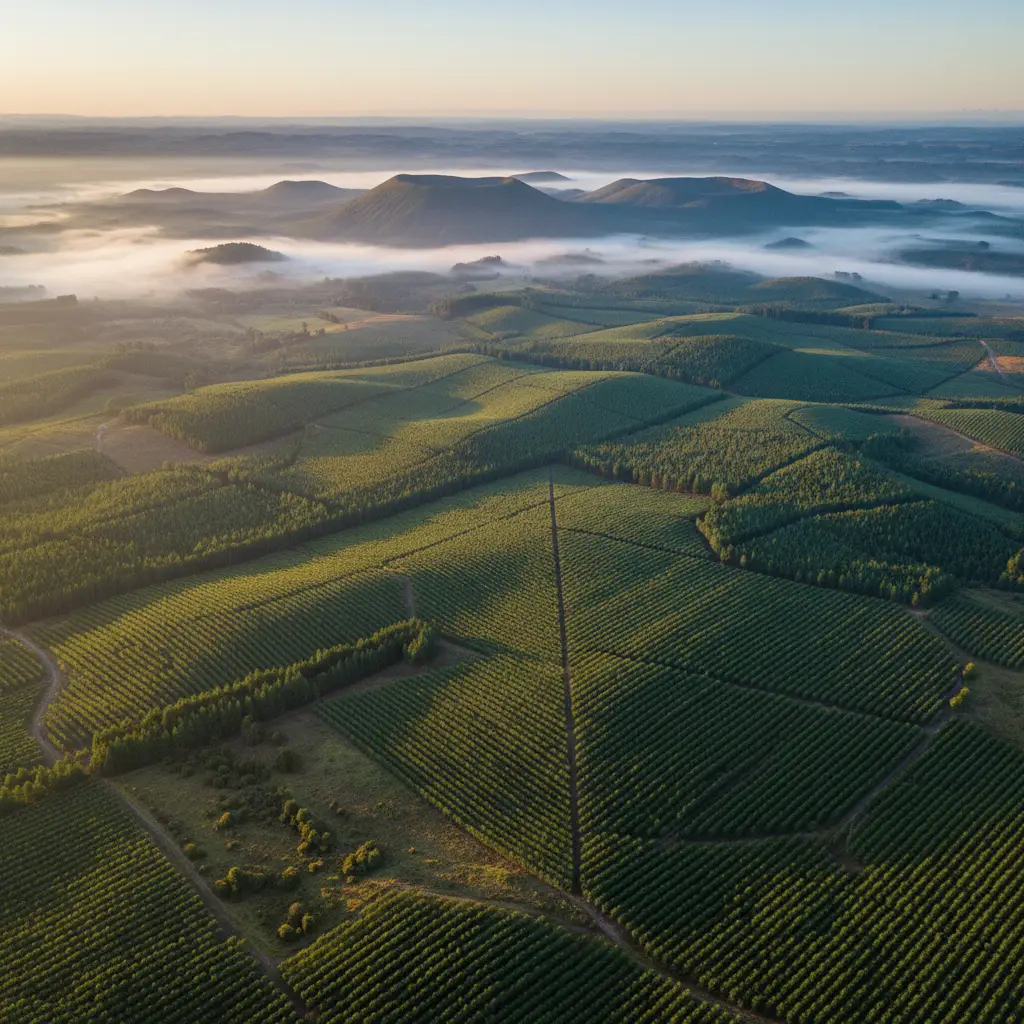
This region is home to the Kaingaroa Forest, one of the largest planted forests in the Southern Hemisphere. The unique volcanic soils of the Central North Island provide the ideal medium for rapid tree growth, specifically Pinus radiata. However, the industry is defined by more than just cultivation. It is the intricate web of sawmills, pulp and paper plants (such as those in Kawerau), and the heavy transport infrastructure that connects the forest floor to the global market via the Port of Tauranga.
For visitors and locals alike, the industry shapes the physical landscape. The “logging truck” is a ubiquitous sight on State Highway 29 and State Highway 5, representing the pulse of an economy that operates 24/7. This sector provides the structural backbone for the region, influencing everything from road infrastructure development to the availability of recreational mountain biking trails within working forests.
The Cycle: From Plantation to Harvest
The forestry industry in the Bay of Plenty operates on a generational timeline. Unlike seasonal agriculture, forestry requires decades of foresight and management. The lifecycle of a commercial forest is a testament to scientific precision and patience.
The Dominance of Pinus Radiata
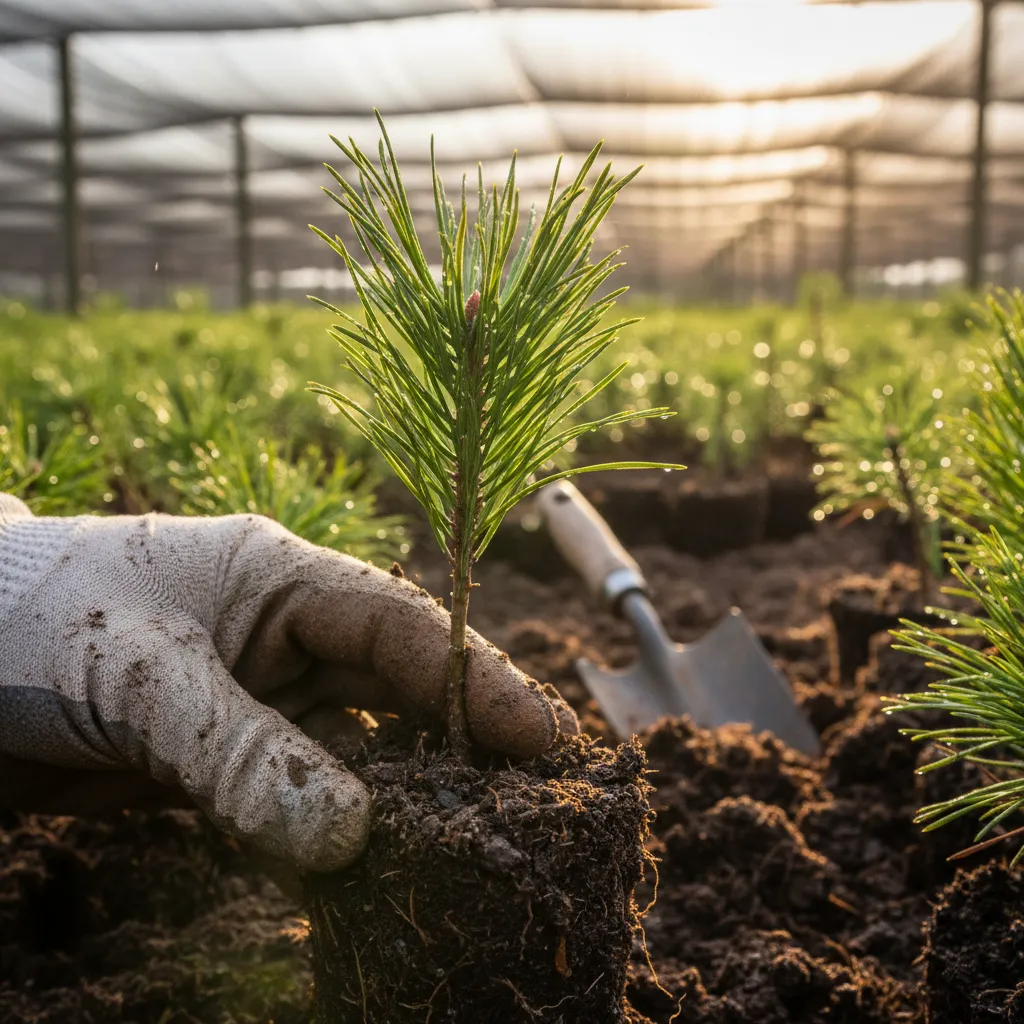
The star of the show is Pinus radiata (Monterey Pine). While native to California, this species found its true home in the pumice soils of the Bay of Plenty. Here, it grows faster and straighter than almost anywhere else in the world. The cycle begins in high-tech nurseries where seedlings are cultivated to be disease-resistant and structurally sound. Once planted, these trees enter a cycle of roughly 25 to 30 years before reaching maturity.
Silviculture and Maintenance
Forestry is not a “plant and forget” operation. Between planting and harvesting, a process called silviculture takes place. This involves:
- Pruning: Removing lower branches to ensure the resulting timber is knot-free (clearwood), which commands a higher price on the export market.
- Thinning: Removing smaller or less vigorous trees to reduce competition, allowing the remaining crop to grow in girth and volume.
This active management creates the open, cathedral-like atmosphere often found in mature pine forests, which coincidentally makes them excellent venues for recreational activities like mountain biking and hiking—a key aspect of the Bay of Plenty’s lifestyle appeal.
The Harvest: Precision Engineering
When the stand reaches maturity, harvesting crews move in. Modern forestry in the Bay of Plenty has moved away from dangerous manual felling to mechanized harvesting. Enormous machines grasp, cut, delimb, and stack trees in minutes. This mechanization increases safety and efficiency, ensuring that the flow of timber to the mills and port remains constant.
Logistics: Moving the Green Gold
The phrase “Forestry Logistics Hub” perfectly encapsulates the Bay of Plenty. The challenge of the industry is not just growing the wood, but moving millions of tonnes of heavy, bulky material across difficult terrain to processing centers and export terminals. This logistical feat is what sets the region apart.
The Road and Rail Network
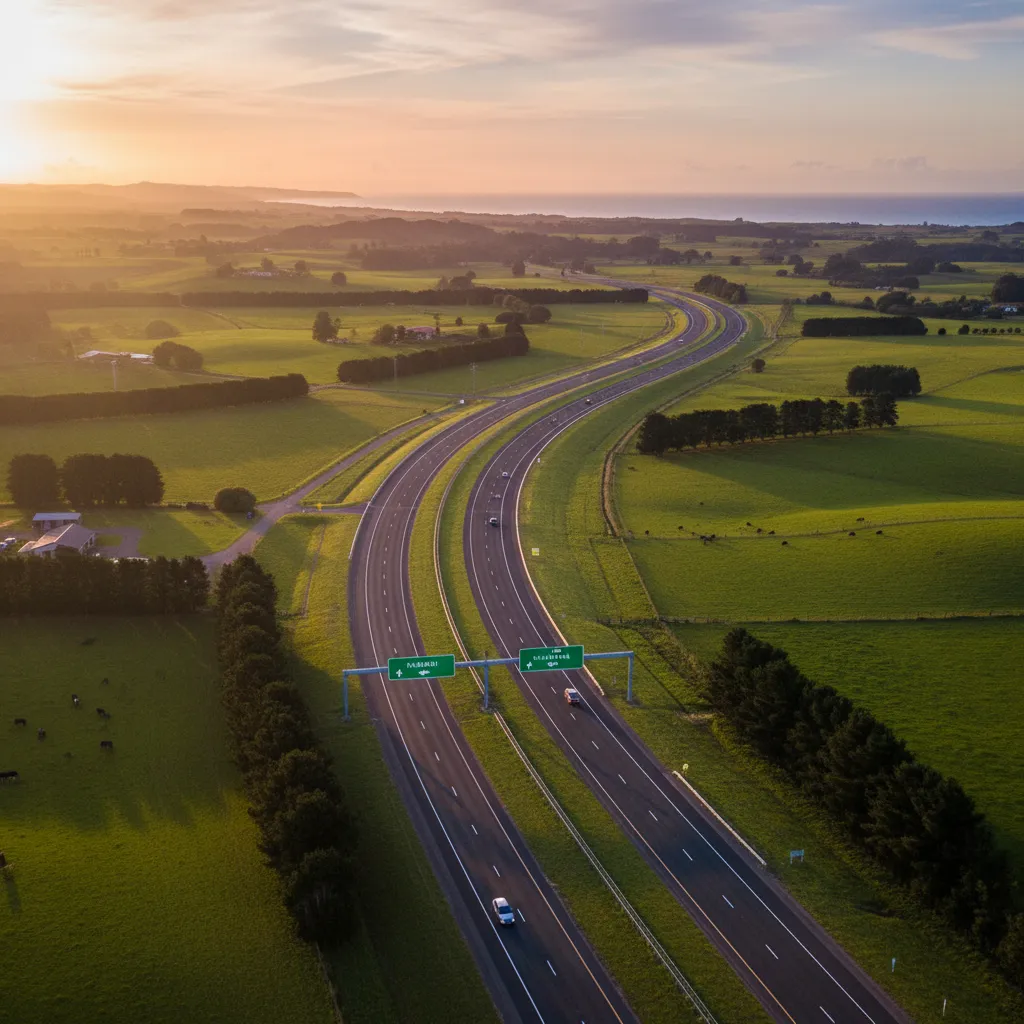
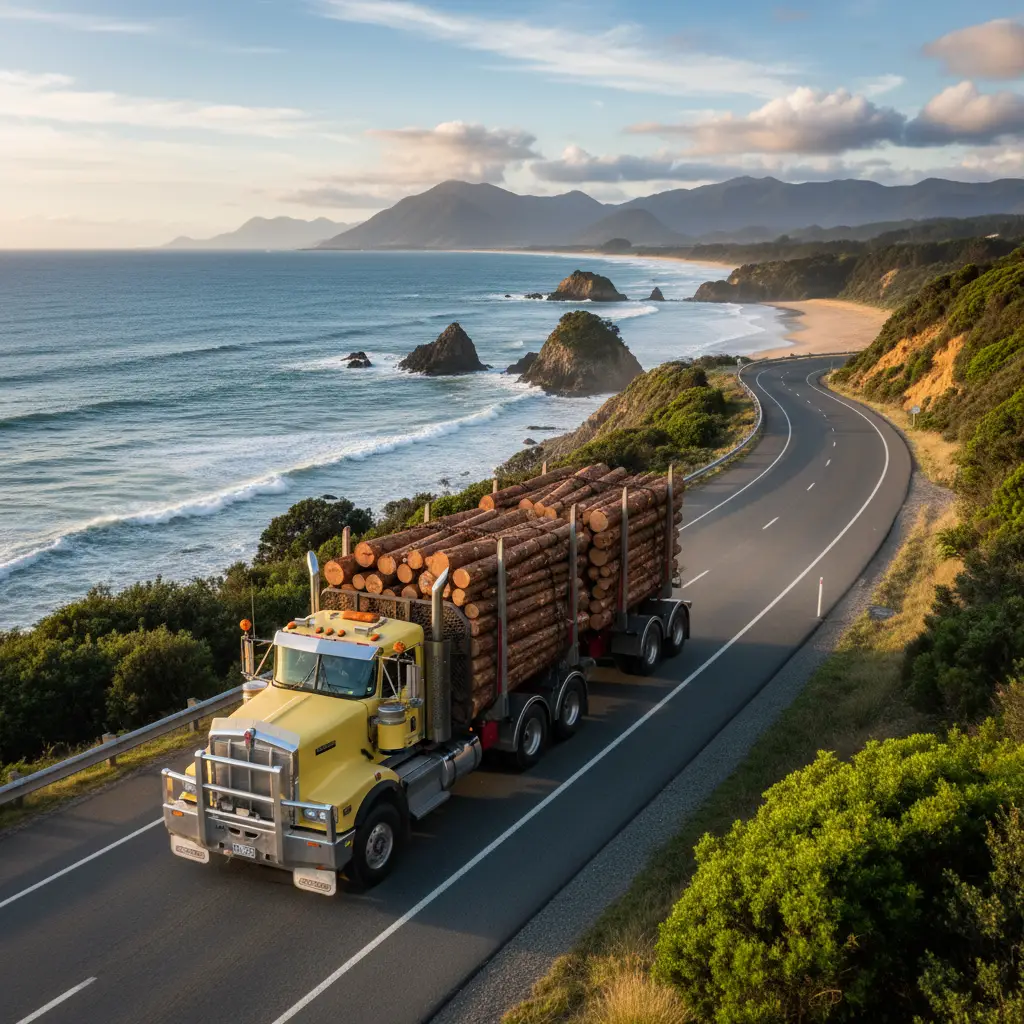
The supply chain relies on a multi-modal transport system. The sight of logging trucks is a defining feature of the Bay of Plenty’s highways. These trucks are the capillaries of the industry, navigating steep forest roads to bring logs to “skid sites” and then onto the highways.
However, rail plays an increasingly critical role. The rail link from Murupara and Kawerau to the Port of Tauranga is a vital artery. By utilizing rail for the heavy haulage of logs and processed pulp, the industry reduces congestion on the roads and lowers the carbon footprint of transport. This intermodal connectivity requires precise coordination; a delay in the forest can ripple down to the port, affecting shipping schedules.
Port of Tauranga: The Export Gateway
The Port of Tauranga is the linchpin of the forestry industry Bay of Plenty. As New Zealand’s largest port by volume, it is the primary exit point for logs, sawn timber, and paper products destined for markets in China, Japan, South Korea, and the United States.
The logistics at the port are world-class. Marshalling companies use advanced tracking systems to manage the inventory of logs stacked on the wharf. The efficiency of the port ensures that the region remains competitive globally. If the port is the heart, the forests are the lungs, and the transport network is the circulatory system that keeps the regional economy alive.
Economic Importance to the Region
It is difficult to overstate the economic contribution of forestry to the Bay of Plenty. It is a foundational industry that supports thousands of livelihoods, directly and indirectly.
Employment and Community Support
The sector employs a diverse workforce, ranging from silviculture crews and machine operators to supply chain managers, port logistics experts, and scientists. Towns like Kawerau and Tokoroa were essentially built on the back of the forestry industry. For these communities, the mills and forests provide stability.
Beyond direct employment, the industry supports a vast ecosystem of service providers: diesel mechanics, engineering firms, tire suppliers, and transport companies. The “multiplier effect” means that for every job created in the forest, several more are created in the wider community.
GDP Contribution
Forestry is a significant contributor to the Bay of Plenty’s GDP. The export revenue generated brings foreign currency into the region, fueling development in other sectors such as retail, construction, and even tourism. The infrastructure built to support forestry—such as high-quality roads and deep-water port facilities—also benefits other industries, making the region an attractive place for business investment.
Sustainable Forestry & Future Outlook
In an era of climate change awareness, the forestry industry Bay of Plenty is positioning itself as a leader in sustainability. The sector is transitioning from a purely extractive model to one of environmental stewardship.
Carbon Sequestration and Bio-Economy
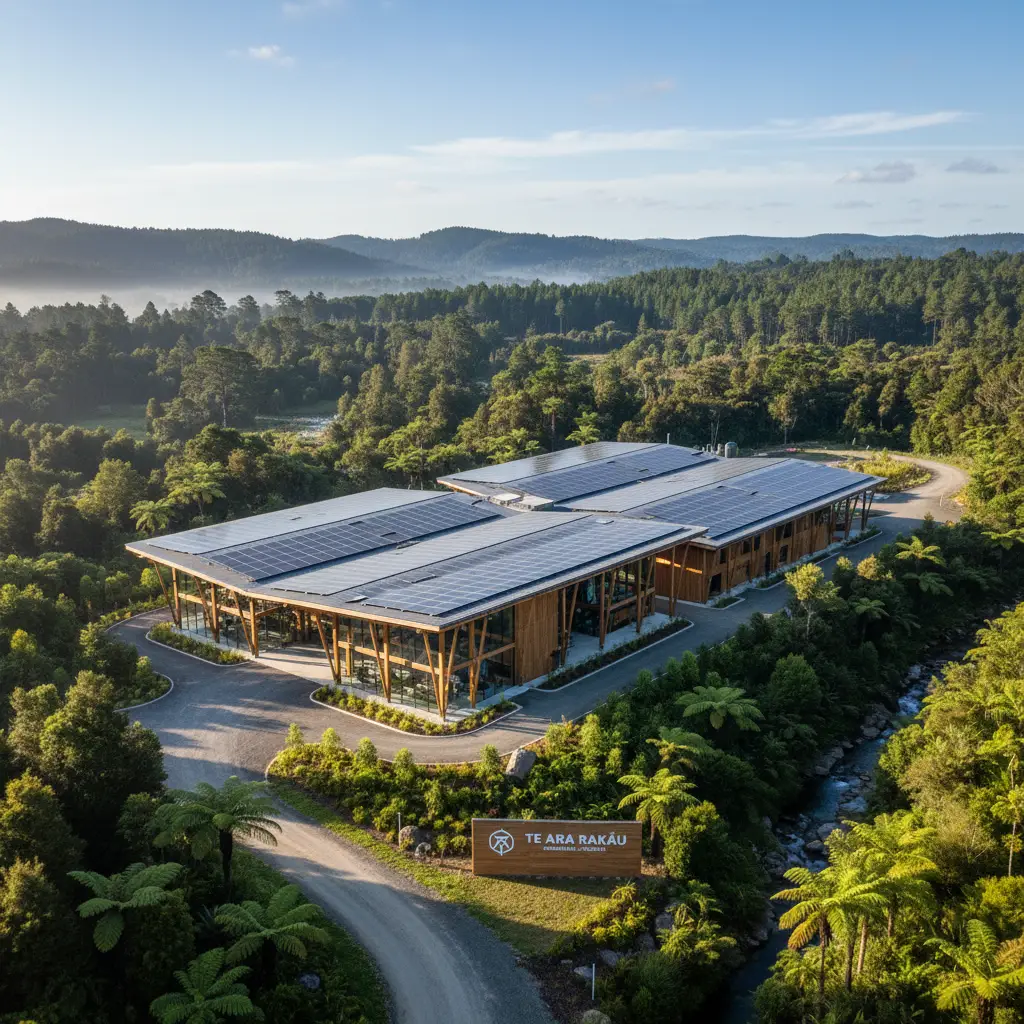
Forests are massive carbon sinks. As the trees grow, they absorb carbon dioxide from the atmosphere, locking it away in the wood. The Bay of Plenty’s forestry sector is critical to New Zealand’s climate change goals. Furthermore, the industry is innovating in the “bio-economy,” exploring ways to use wood fiber for biofuels, bioplastics, and biochemicals, moving beyond traditional timber and pulp.
Recreation and Tourism Integration
A unique aspect of the Bay of Plenty forestry model is the integration of tourism. The Whakarewarewa Forest (The Redwoods) in Rotorua is a prime example. While parts of it remain a working commercial forest, it is also a world-renowned mountain biking and walking destination.
This dual-use model demonstrates that logistics and lifestyle can coexist. Visitors flock to the region to ride trails that weave through towering pines, contributing to the tourism economy. This symbiosis ensures that the forests are valued not just for their timber, but for their contribution to the region’s social and recreational fabric.
The Future: Automation and Genetics
The future of the hub lies in technology. We are seeing the rise of remote-controlled harvesting on steep slopes, drone technology for forest inventory, and advanced genetics to breed trees that are more resilient to climate change. The Bay of Plenty is serving as a testing ground for these global innovations, ensuring it remains the premier forestry logistics hub in the Pacific.
People Also Ask
Why is the Bay of Plenty ideal for forestry?
The Bay of Plenty features unique volcanic pumice soils, high rainfall, and a temperate climate, which create perfect conditions for the rapid growth of Pinus radiata. Additionally, the flat to rolling topography in areas like Kaingaroa facilitates easier harvesting and transport compared to more mountainous regions.
How much does forestry contribute to the Bay of Plenty economy?
Forestry is a cornerstone of the regional economy, contributing hundreds of millions of dollars annually to the local GDP. It is one of the largest employers in the region, supporting thousands of jobs across planting, harvesting, transport, processing, and port logistics.
What is the main tree species grown in the Bay of Plenty?
The primary species is Pinus radiata (Monterey Pine). It makes up the vast majority of the plantation forests due to its fast growth rate, versatility in processing, and suitability for the local soil and climate conditions.
How are logs transported to the Port of Tauranga?
Logs are transported via a highly integrated network of heavy-duty logging trucks and rail freight. The rail link from processing hubs like Murupara directly to the port wharves is crucial for reducing road congestion and increasing transport efficiency.
Is the forestry industry in New Zealand sustainable?
Yes, the industry operates under strict environmental standards. Most major forests are certified by the Forest Stewardship Council (FSC). Practices include replanting after harvest (reforestation), protecting waterways, and managing biodiversity within plantation blocks.
Can you visit the forestry areas in the Bay of Plenty?
While active harvesting sites are strictly off-limits due to safety, many forestry blocks, such as the Whakarewarewa Forest (The Redwoods) in Rotorua, are open to the public for recreational activities like mountain biking, hiking, and horse riding.