The Kawerau railway line history is defined by the industrial boom of the 1950s, constructed specifically to link the vast Kaingaroa Forest and the Tasman Pulp and Paper Mill to the Port of Tauranga. This critical infrastructure transformed the Bay of Plenty into New Zealand’s primary forestry export hub, evolving from steam-era logistics to modern heavy-haulage freight corridors.
The Origins: An Industrial Imperative
The history of the Kawerau railway line is inextricably linked to the maturation of the Kaingaroa Forest. By the late 1940s, the exotic pine forests planted during the depression era were reaching maturity, presenting the New Zealand government with a massive economic opportunity—and a significant logistical problem. The sheer volume of timber required for the proposed pulp and paper industry could not be sustained by the roading infrastructure of the time.
The decision to build a massive processing plant at Onepu (Kawerau) necessitated a heavy rail connection. This was not merely a branch line; it was the artery that would pump life into the regional economy. The project was authorized under the premise of national interest, leading to the rapid surveying and construction of what would become the Murupara Branch and the connection to the East Coast Main Trunk (ECMT).
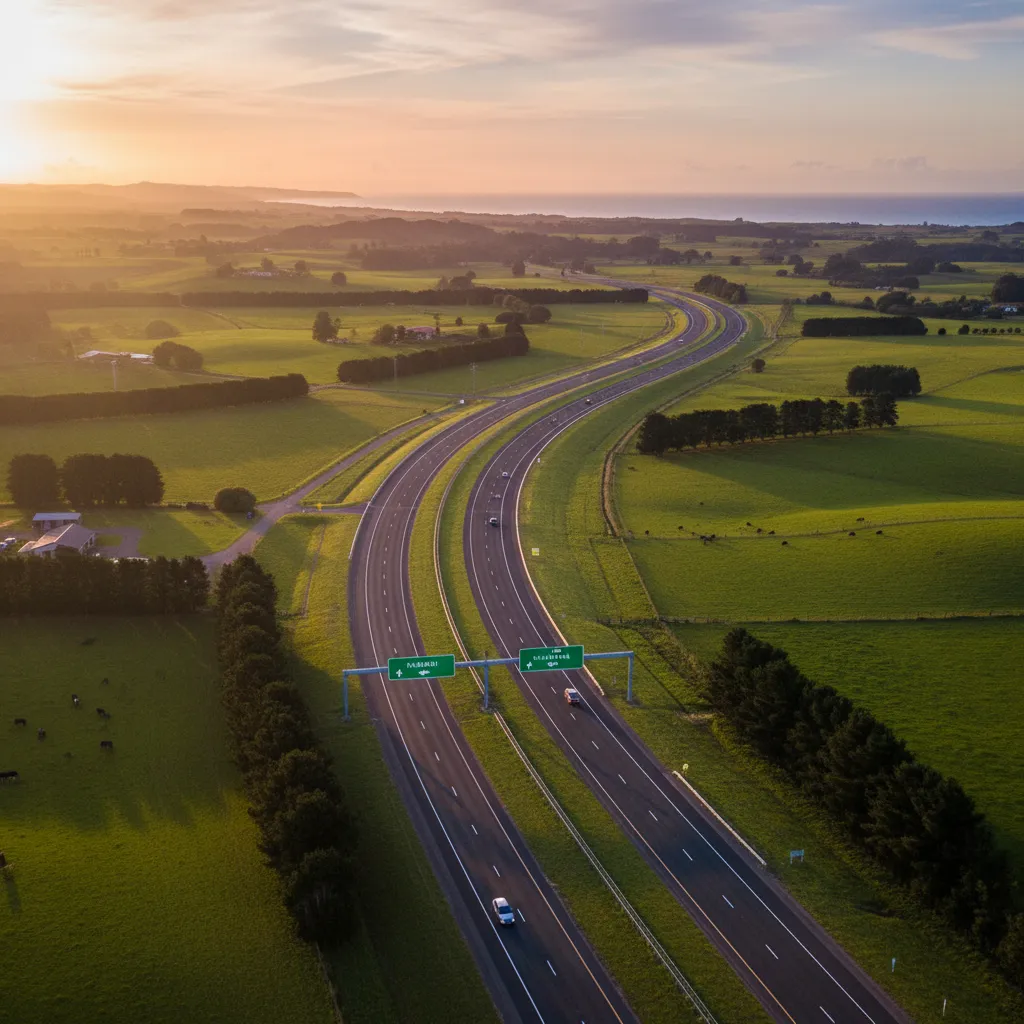
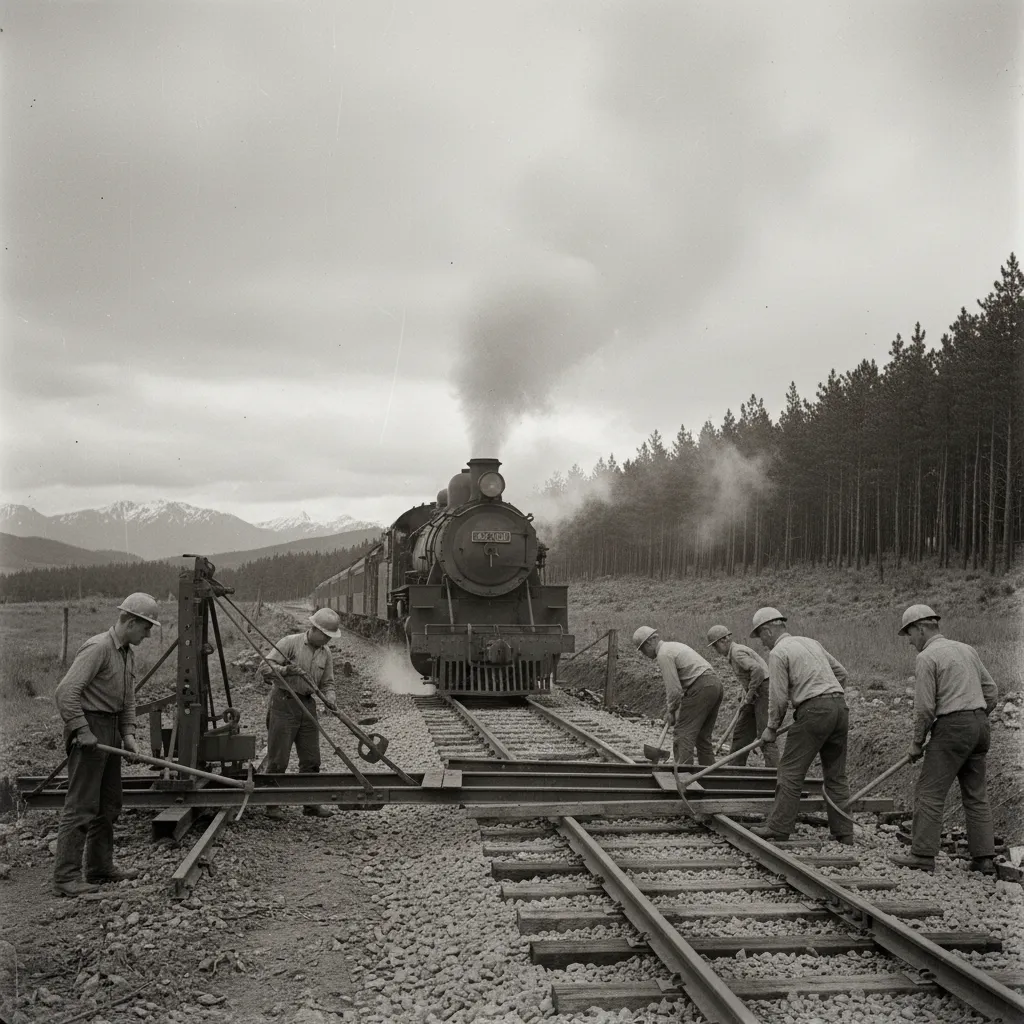
In 1953, construction began in earnest. The Ministry of Works, alongside New Zealand Railways (NZR), undertook the massive task of laying track through the Rangitaiki Plains. The primary goal was to connect the new Tasman Pulp and Paper Mill directly to the port at Mount Maunganui, bypassing the need for complex road transfers. This period marked a pivotal shift in New Zealand’s industrial landscape, moving the center of gravity for forestry exports firmly to the Bay of Plenty.
Engineering Challenges of the Route
Constructing the Kawerau line was far from a simple track-laying exercise. The geography of the Eastern Bay of Plenty presented distinct engineering hurdles that required innovative solutions, particularly regarding ground stability and water management.
Navigating the Rangitaiki Plains
The route had to traverse the Rangitaiki Plains, an area characterized by peat soils and pumice. This geological makeup posed a significant risk of subsidence. Engineers had to import massive quantities of ballast to stabilize the track bed. The swampy nature of parts of the route near Edgecumbe meant that drainage was a constant battle. Culverts and embankments had to be over-engineered to withstand the heavy axle loads of loaded log trains, which were significantly heavier than standard passenger or mixed-goods trains of the era.
River Crossings and Bridges
The Tarawera River and the Rangitaiki River required substantial bridging. The bridges built during this era were designed for heavy industrial use. Unlike earlier timber trestle bridges common in New Zealand’s rail history, the Kawerau line utilized steel and concrete structures designed to last. The bridge near Te Teko remains a testament to the robust engineering standards applied during the 1950s expansion. These structures had to survive not only the weight of the trains but also the potential for flooding, which the Rangitaiki River is historically known for.
Building the Rail Link to Mt Maunganui Port
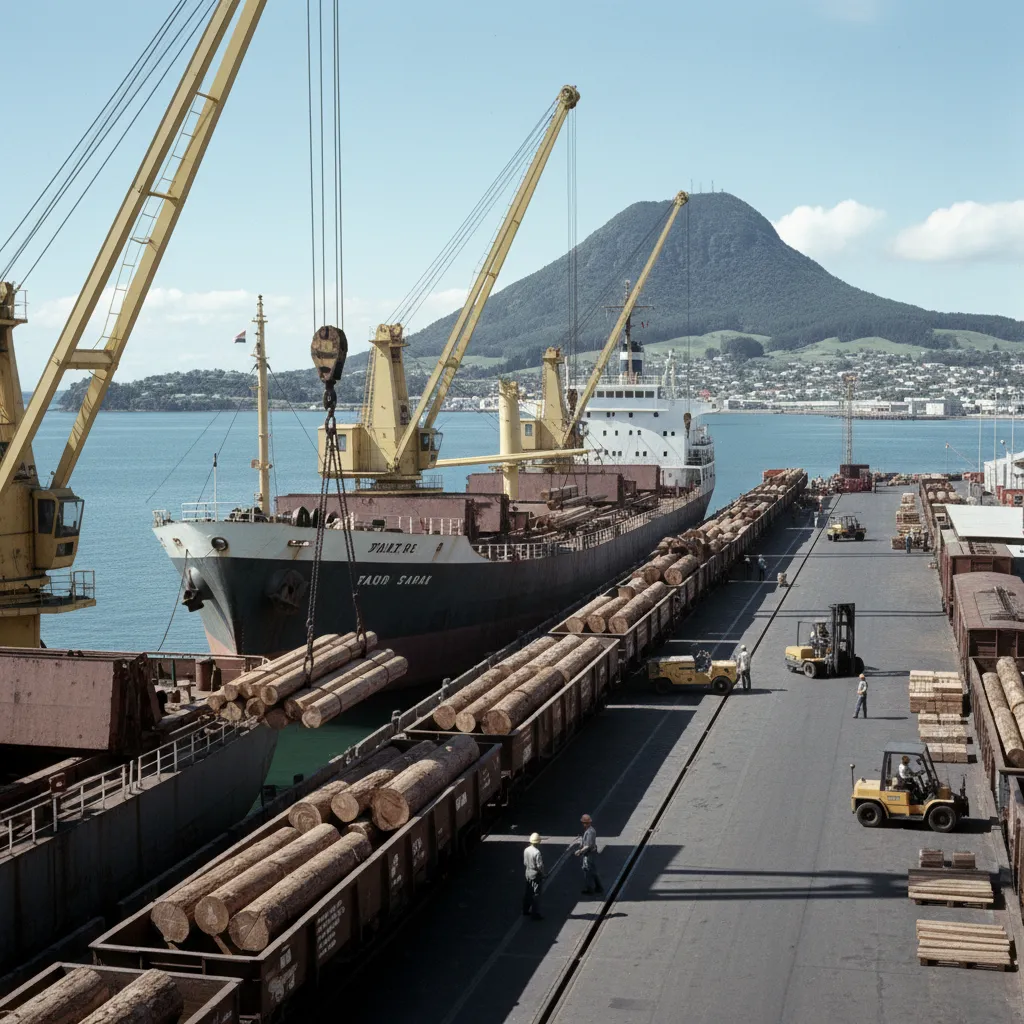
The Kawerau railway line history is incomplete without understanding its destination: the Port of Tauranga at Mount Maunganui. Prior to the mill’s construction, Tauranga was a relatively sleepy port. The rail link changed everything.
The connection required upgrading the existing ECMT sections and constructing new access directly onto the Mount Maunganui wharf. This symbiosis between rail and port was planned from the outset. The “Log Line” allowed raw logs from Murupara and processed paper products from Kawerau to be shunted directly alongside export vessels.
This efficiency gave New Zealand forestry a competitive edge in global markets. The rail link effectively reduced the cost of transport per tonne, making the export of newsprint and timber to Australia and Asia economically viable. The development of the port facilities occurred in tandem with the rail construction, creating a dedicated forestry terminal that relied entirely on the steady stream of trains arriving from the interior.
Log Trains and Export Logistics
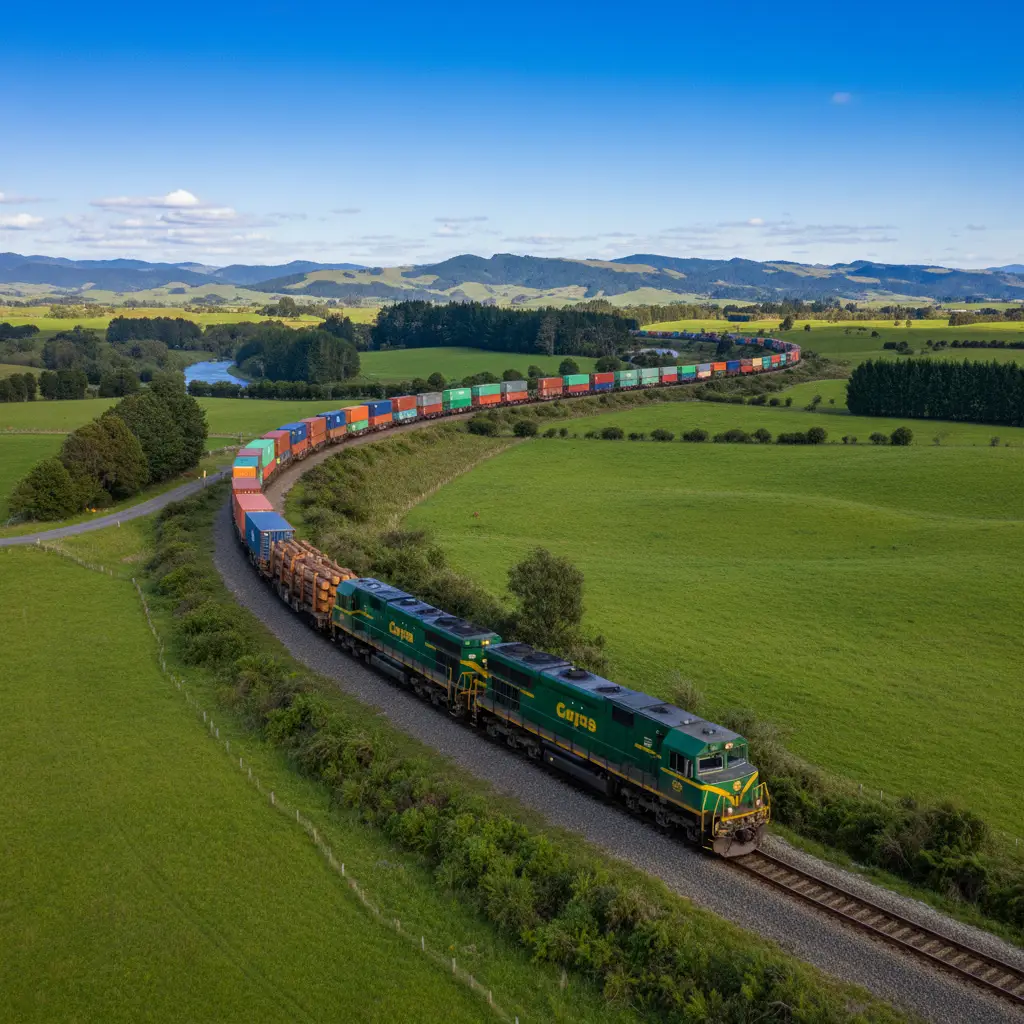
For decades, the “Log Train” has been an iconic sight in the Bay of Plenty. The logistics involved in moving millions of tonnes of timber are complex and require precision timing.
The Murupara Branch Connection
While Kawerau is the processing hub, the raw material often originated further south. The Murupara Branch line, extending 58 kilometers south from Kawerau into the heart of the Kaingaroa Forest, acted as a conveyor belt. At its peak, this line saw some of the most intensive freight operations in the country. Dedicated log trains would run continuously between the Murupara railhead and the Kawerau mill.
Evolution of Rolling Stock
The wagons used on the Kawerau line evolved specifically for the industry. Initially, modified flat wagons were used, but these were soon replaced by dedicated log wagons with stanchions designed to hold securing chains. For finished products like newsprint and pulp, watertight box wagons (and later, containerized freight) were essential to prevent moisture damage during the journey to the port.
The logistics operation was a 24-hour endeavor. The Tasman Mill operated continuously, meaning the rail link could not afford downtime. This necessitated a rigorous maintenance schedule for the track, which took a pounding from the heavy, repetitive loads.
From Steam to Diesel: Locomotive Evolution
The Kawerau line’s opening coincided with the twilight of the steam era and the dawn of dieselisation in New Zealand. This transition period provides a fascinating chapter in the railway’s history.
In the earliest days of construction and initial operation, steam locomotives like the K class and J class were utilized. However, the heavy haulage requirements of the forestry industry accelerated the introduction of diesel traction. The Da class locomotives, introduced in 1955, became the workhorses of the line. Their ability to be coupled in multiple (double or triple heading) allowed them to haul massive tonnage over the gradients involved in the wider ECMT network.
As technology progressed, the line saw the introduction of the Df and Dx class locomotives. The Dx class, in particular, became synonymous with the heavy log trains, offering the raw horsepower needed to move thousands of tonnes of timber efficiently. Today, the Dl class locomotives represent the modern face of this motive power, but the legacy of the roaring GM diesels of the 1960s and 70s remains a fond memory for local rail enthusiasts.
Heritage Tourism and Historic Steam Visits
While the line is an industrial artery, it holds a special place in the hearts of railfans and tourists. The Kawerau railway line has hosted numerous heritage excursions, bringing the nostalgia of steam travel back to the region.
The Woodfest Excursions
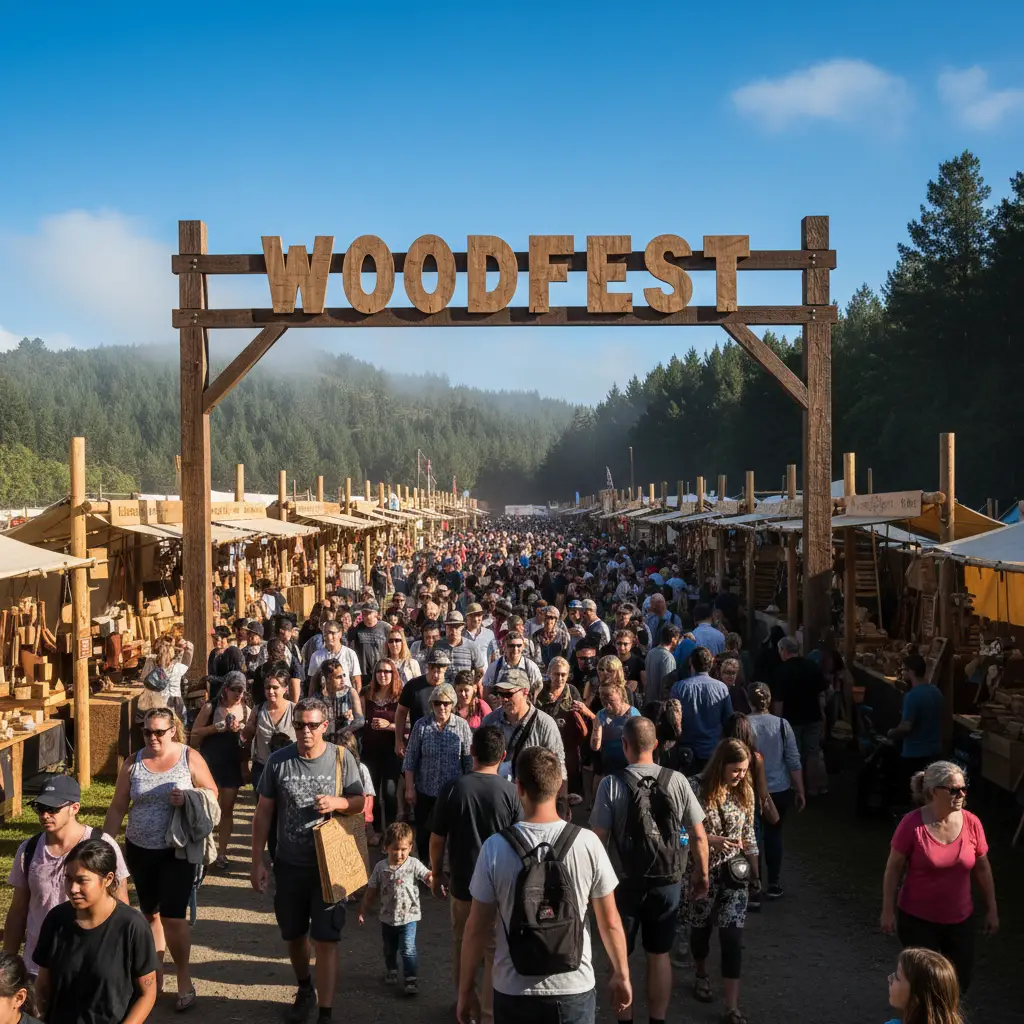
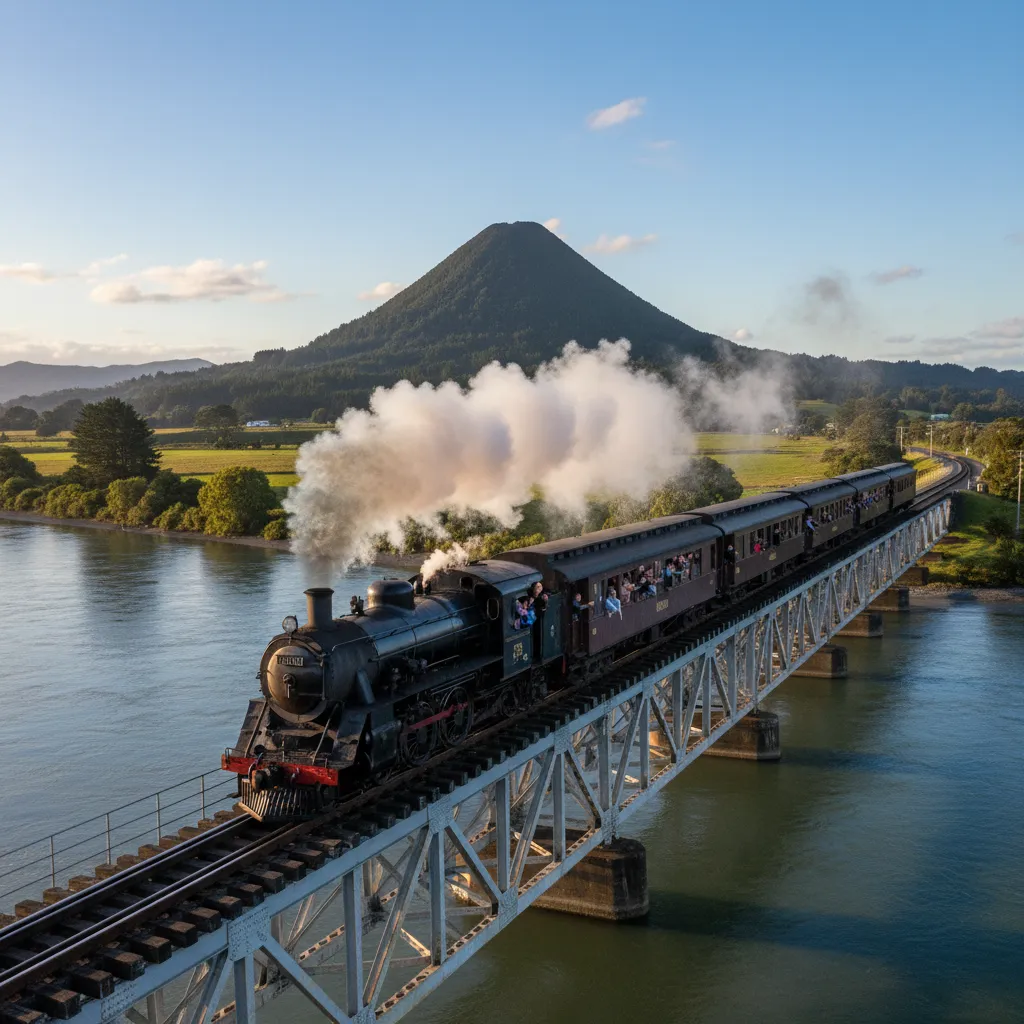
One of the most popular events involving the railway is the connection to the Kawerau Woodfest. Heritage operators, such as the Glenbrook Vintage Railway or Mainline Steam, have frequently run excursions from Mount Maunganui or Hamilton to Kawerau. These trips usually feature iconic steam locomotives like the Ja class or the Ab class.
These visits serve a dual purpose: they celebrate the engineering heritage of the line and bring tourism dollars into the town. Passengers disembark in Kawerau to witness the National Wood Skills Competition and other festivities. The sight of a steam plume rising against the backdrop of Mt Putauaki is a powerful visual reminder of the region’s history.
The Experience of Rail Heritage
For the domestic tourism market, these rail tours offer a unique perspective of the Bay of Plenty. The route travels through lush farmland, crosses the scenic rivers mentioned earlier, and offers views that are inaccessible from the state highway. The slow cadence of a steam train allows for an appreciation of the landscape that the modern, fast-paced world often misses.
Current Operations and Future Outlook
Today, the Kawerau railway line remains a vital component of New Zealand’s supply chain, operated by KiwiRail. While the ownership of the mill has changed hands (from Tasman to Norske Skog and others over the years) and the volume of newsprint has declined with the digital age, the line has adapted.
Containerization and Efficiency
Modern operations are dominated by containerized freight. Pulp, paper, and timber are now largely moved in containers for easier handling at the Port of Tauranga. KiwiRail has invested in upgrading the track infrastructure to handle heavier axle loads, ensuring the line remains competitive against road transport.
The Environmental Advantage
In the current climate of sustainability, the Kawerau rail link is more relevant than ever. Rail freight produces significantly fewer carbon emissions compared to road trucking. As New Zealand moves towards a low-carbon economy, the “Steel Highway” to Kawerau is poised to see continued, if not increased, utilization. The history of the Kawerau railway line is not just about the past; it is the foundation for a sustainable logistics future in the Bay of Plenty.
What year was the Kawerau railway line opened?
The railway line connecting Kawerau to the national network was officially opened for traffic in the mid-1950s, with the Murupara branch opening in 1955 to serve the newly constructed Tasman Pulp and Paper Mill.
Why was the Kawerau railway line built?
It was built primarily to transport logs from the Kaingaroa Forest and finished pulp and paper products from the Tasman Mill to the export port at Mount Maunganui, facilitating the region’s forestry boom.
Does a passenger train go to Kawerau?
There are no scheduled commercial passenger services to Kawerau. However, heritage steam trains and rail excursions run by groups like the Glenbrook Vintage Railway occasionally visit for special events like Woodfest.
What is the Murupara Branch line?
The Murupara Branch is a railway line extending south from Kawerau into the Kaingaroa Forest. It was used extensively to transport raw logs from the forest railhead at Murupara to the processing mill at Kawerau.
How long is the railway from Kawerau to Mt Maunganui?
The rail distance varies slightly depending on the specific routing and shunting, but the effective haul from the Kawerau industrial area to the Port of Tauranga (Mt Maunganui) is approximately 80 to 90 kilometers via the East Coast Main Trunk.
What locomotives are used on the Kawerau line today?
Today, KiwiRail primarily operates DL class diesel-electric locomotives on the line for heavy freight haulage, having replaced the older DX and DC class locomotives that served the route for decades.