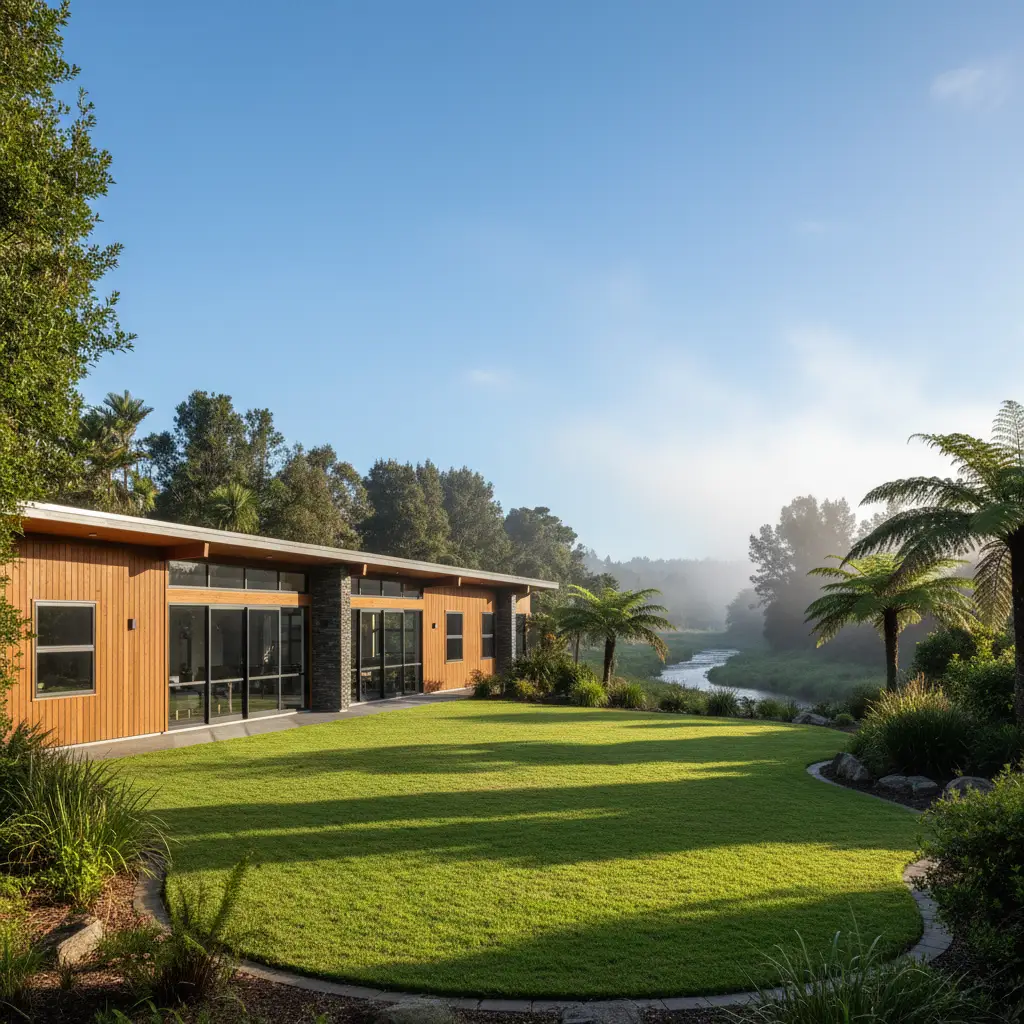
The Tasman pulp and paper mill history describes a monumental industrial era in New Zealand, beginning with its construction in Kawerau in the early 1950s to process the vast Kaingaroa Forest. As the world’s first geothermal-powered heavy industrial site, it drove the Bay of Plenty’s economy for nearly 70 years before ceasing newsprint operations in 2021.
For nearly seven decades, the Tasman Mill stood not just as a factory, but as the beating industrial heart of the Eastern Bay of Plenty. Its towering stacks and billowing steam were landmarks of economic prosperity, representing one of New Zealand’s most ambitious engineering feats. Understanding the Tasman pulp and paper mill history requires looking beyond the machinery to the strategic vision that transformed a remote valley into a global export powerhouse.
What were the construction engineering feats of the 1950s?
The genesis of the Tasman Mill was born out of necessity and opportunity. By the late 1940s, the exotic radiata pine forests of the Kaingaroa—planted during the depression era of the 1920s and 30s—were reaching maturity. The New Zealand government faced a critical challenge: how to harvest and process millions of tons of timber before it rotted. The solution was the “Tasman Project,” a joint venture between the government and the Fletcher construction dynasty, led by Sir James Fletcher.
Construction began in 1952, a period characterized by post-war optimism and industrial expansion. The site selection in Kawerau was strategic, chosen for its proximity to the forest, the Tarawera River for water supply, and, most critically, the geothermal activity beneath the ground. This decision led to a world-first engineering achievement: the use of geothermal steam for process heat in newsprint production. Engineers drilled deep boreholes to harness high-pressure steam, reducing the reliance on coal and oil, a pioneering move in sustainable industrial energy long before the term “green energy” was coined.
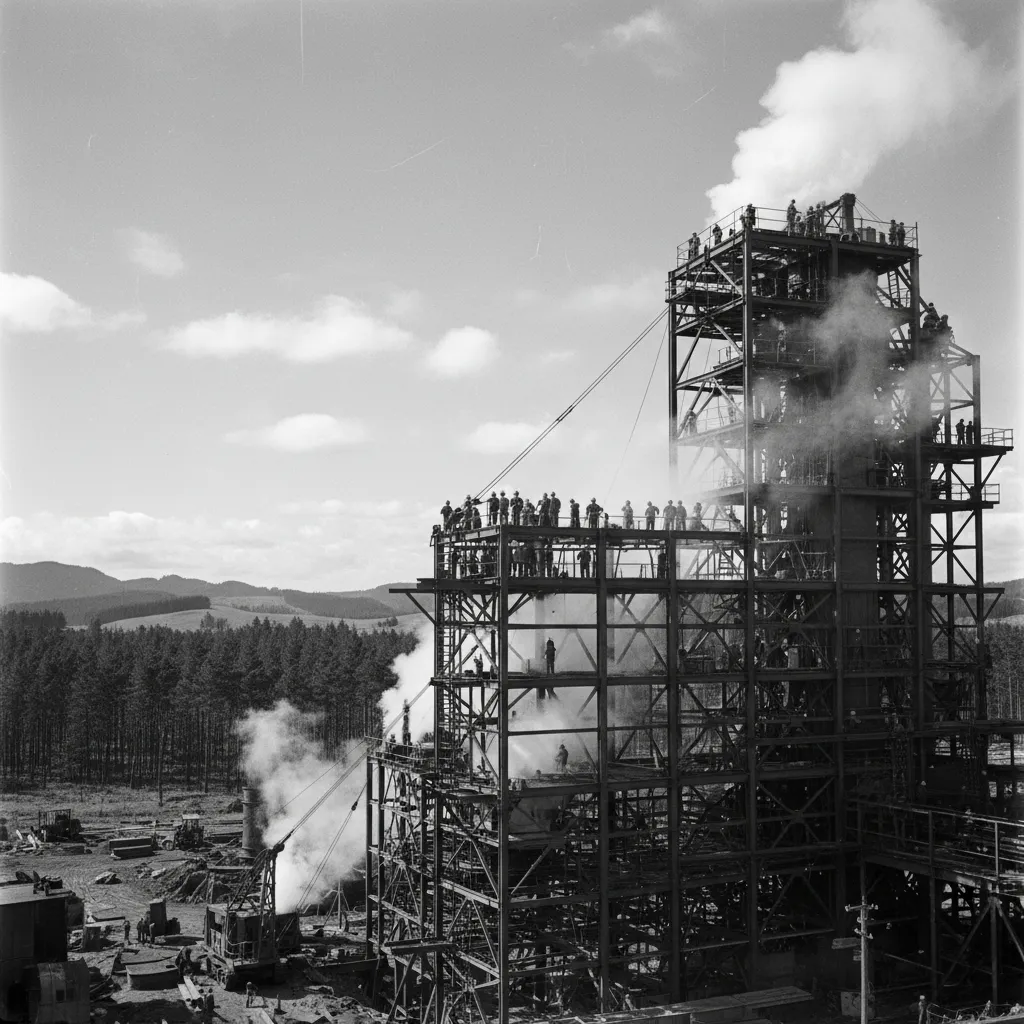
The scale of the construction was immense. It required the building of a dedicated deep-water port at Mount Maunganui and a new rail link connecting Kawerau to the coast. Simultaneously, the town of Kawerau was purpose-built to house the workforce. Unlike the organic growth of other settlements, Kawerau was a master-planned “company town,” designed with modern amenities to attract skilled labor from across New Zealand and overseas, particularly from the United Kingdom, Finland, and Canada. The mill produced its first newsprint in 1955, marking the official start of a legacy that would dominate the global paper market.
How did the mill impact the Bay of Plenty economy?
The economic footprint of the Tasman Mill extended far beyond the factory gates. For decades, it was the single largest employer in the Eastern Bay of Plenty, directly employing over 2,000 staff at its peak, with thousands more in contractor roles, forestry, logistics, and engineering support services. The phrase “Tasman pulp and paper mill history” is synonymous with the rise of the middle class in the region; the high wages and stable employment allowed families to buy homes, educate children, and invest in local businesses.
The mill was the catalyst for infrastructure development that benefits the region to this day. The Port of Tauranga, now New Zealand’s largest export port, owes much of its early expansion to the volume of forestry products flowing from Kawerau. The rail corridor created for the mill remains a vital artery for freight. Furthermore, the mill’s demand for engineering excellence fostered a hub of industrial expertise in the region. Small engineering firms in Whakatāne and Rotorua grew into substantial enterprises by servicing the complex machinery of the Tasman site.
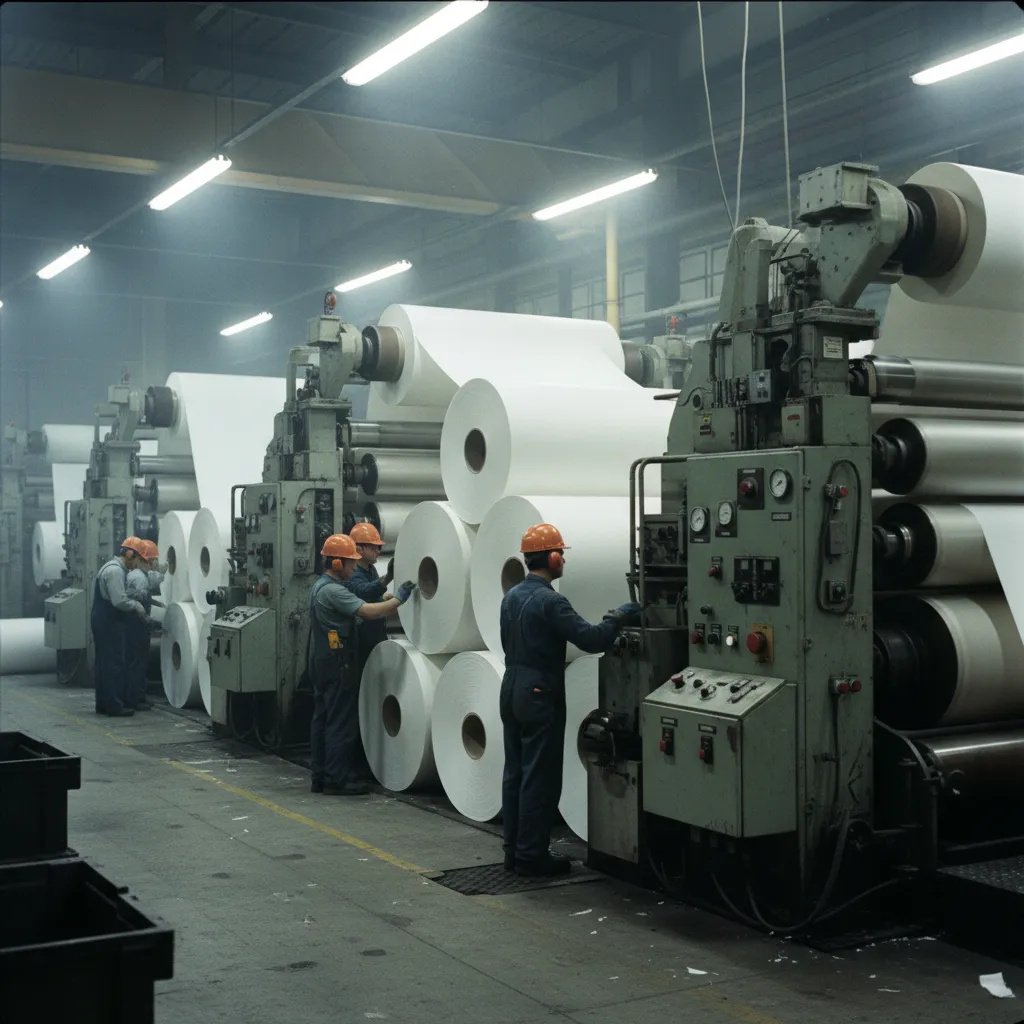
However, this reliance on a single industrial giant also created vulnerability. The local economy fluctuated in rhythm with global pulp and paper prices. When the mill prospered, the Bay of Plenty prospered; when international demand softened, the region felt the squeeze. This economic dominance underscored the importance of the mill not just as a business, but as the economic anchor for an entire generation of New Zealanders.
Timeline of Ownership and Operational Changes
The ownership history of the Tasman Mill reflects the globalization of the forestry industry. Initially known as the Tasman Pulp and Paper Company, it was a crown jewel in the Fletcher Challenge empire. During the 1980s and 90s, Fletcher Challenge was one of New Zealand’s largest companies, and the Tasman division was a significant contributor to its success.
The Norske Skog Era
A major shift occurred in the year 2000 when the Norwegian paper giant, Norske Skog, acquired the paper making operations (Tasman). This acquisition was part of a global consolidation in the paper industry. Under Norske Skog, the mill focused heavily on newsprint production for markets in Australia, Asia, and the domestic New Zealand market. While the pulp mill operations were eventually separated and sold to Carter Holt Harvey (and later Oji Fibre Solutions), Norske Skog retained the paper machines.
The Decline of Newsprint
The 21st century brought a digital revolution that severely impacted the demand for newsprint. As consumers moved to online news, the demand for physical newspapers plummeted globally. This structural change forced the mill to reduce capacity. Machines were shut down, and workforce numbers were gradually reduced through restructuring. Despite these challenges, the mill remained operational due to the high quality of its fibre (Radiata Pine) and its efficient geothermal energy source.
Sale to Oji Fibre Solutions
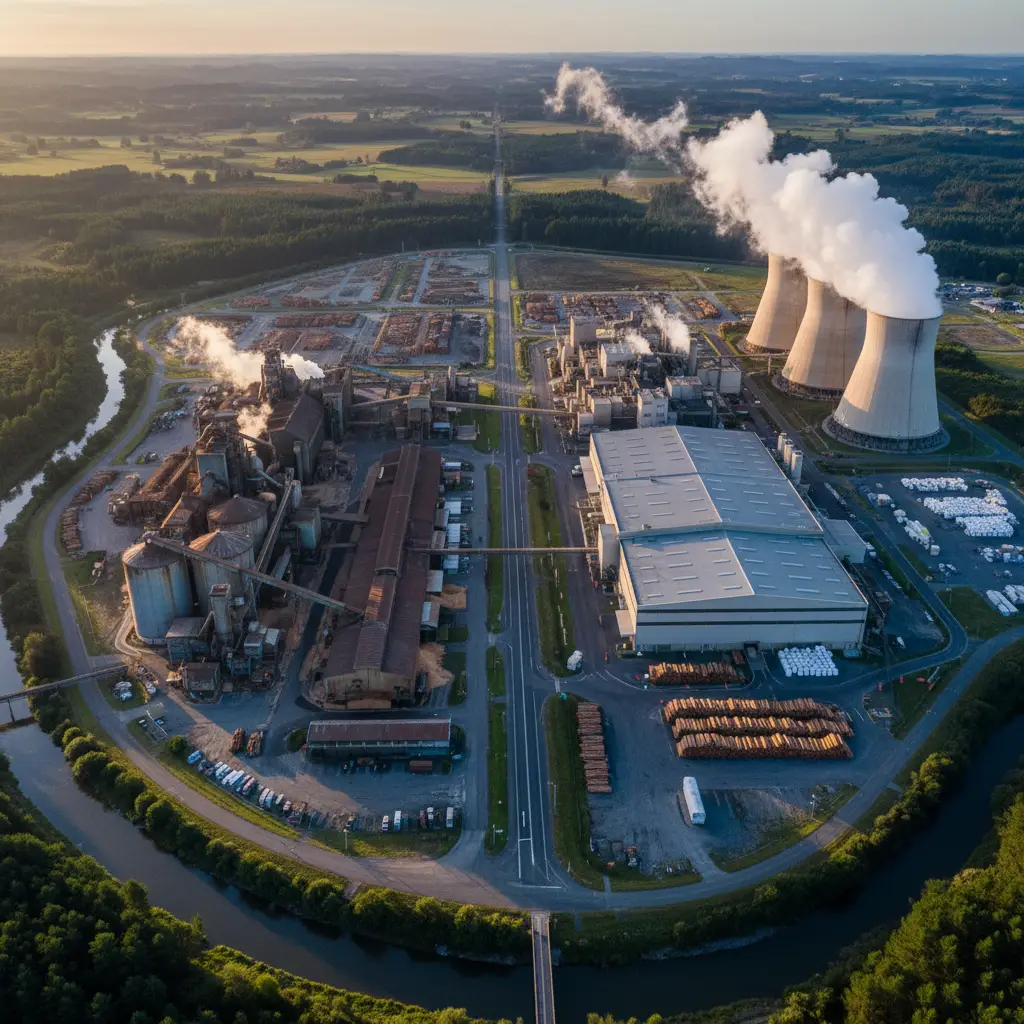
In 2014, the pulp mill section of the site was acquired by Oji Fibre Solutions, a Japanese-owned company. This created a split site: Oji operated the pulp mill (producing market pulp for cardboard and tissue), while Norske Skog continued to operate the paper mill. This complex arrangement required high levels of cooperation regarding utilities, steam, and site access. The distinction is crucial when discussing the “closure” of the mill; while Norske Skog ceased paper production, Oji Fibre Solutions continues to operate the pulp mill, maintaining an industrial presence on the site.
What is the future of the industrial site?
The closure of the Norske Skog newsprint operation in June 2021 marked the end of an era, but not the end of the site’s utility. The closure was precipitated by the COVID-19 pandemic, which accelerated the decline in newsprint demand, and high energy costs. However, the infrastructure that made the Tasman Mill a success in the 1950s—geothermal energy, rail access, and industrial zoning—remains highly valuable.
The future of the site is being reimagined through the lens of industrial symbiosis and circular economy principles. The site is transitioning into a broader industrial hub. Several key developments are shaping this future:
- Continued Pulp Production: Oji Fibre Solutions continues to manufacture high-quality kraft pulp, ensuring that forestry remains a core economic driver.
- Geothermal Energy Expansion: The geothermal assets are being leveraged to attract new industries that require process heat, such as dairy processing or wood pellet manufacturing.
- Logistics Hub: The rail siding and large warehousing capacity make the site an ideal inland port or distribution center for the Bay of Plenty.
- Decommissioning and Remediation: Norske Skog has undertaken a massive project to demolish the old paper machines and remediate the land, preparing it for sale to new industrial tenants.
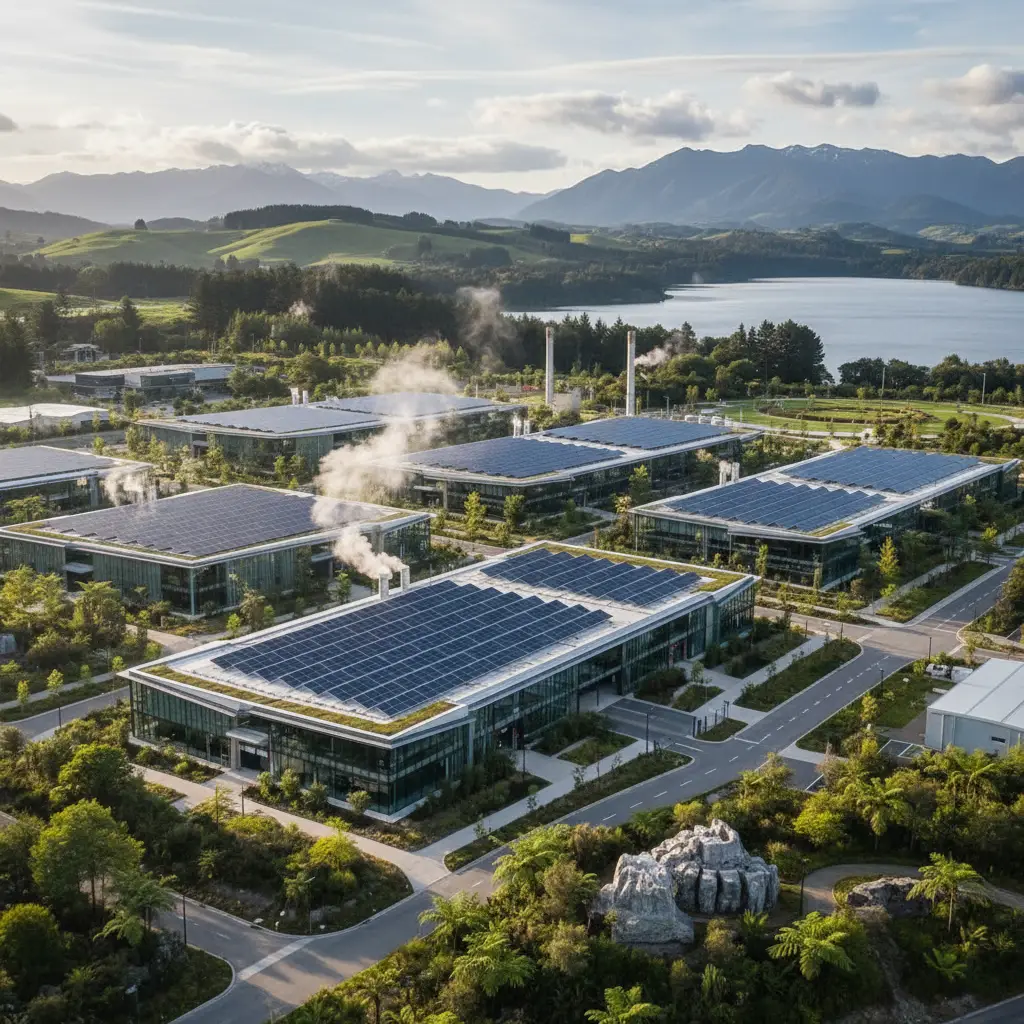
While the specific chapter of newsprint manufacturing has closed, the Tasman site is evolving. The legacy of the Tasman pulp and paper mill history serves as a foundation for a diversified industrial future, shifting from a single-industry focus to a multi-faceted eco-industrial park that continues to support the Kawerau community.
People Also Ask
When did the Tasman Mill officially close?
The Norske Skog Tasman paper mill ceased production on June 30, 2021. However, the neighboring pulp mill, operated by Oji Fibre Solutions, remains operational.
Who owns the Tasman Mill site now?
The site is split. Oji Fibre Solutions owns and operates the pulp mill. The former paper mill site is owned by Norske Skog, which is in the process of decommissioning and selling assets/land to new industrial partners.
Why was the Tasman Mill built in Kawerau?
Kawerau was chosen for its proximity to the Kaingaroa Forest, the availability of water from the Tarawera River, and most importantly, the access to geothermal steam for energy.
What did the Tasman Mill produce?
Historically, the mill produced newsprint (newspaper paper) and kraft pulp. At its peak, it was one of the largest newsprint producers in the Southern Hemisphere.
How many people worked at the Tasman Mill?
In its heyday during the 1980s, the mill employed over 2,000 people directly. By the time of the 2021 closure, the paper mill staff had reduced to approximately 160 due to automation and capacity reductions.
Is the Tasman Mill the same as the Whakatane Board Mill?
No, they are different facilities. The Tasman Mill is located in Kawerau and focused on newsprint and pulp. The Whakatane Mill (now Whakatane Mill Limited) is located in Whakatane and produces paperboard/packaging products.