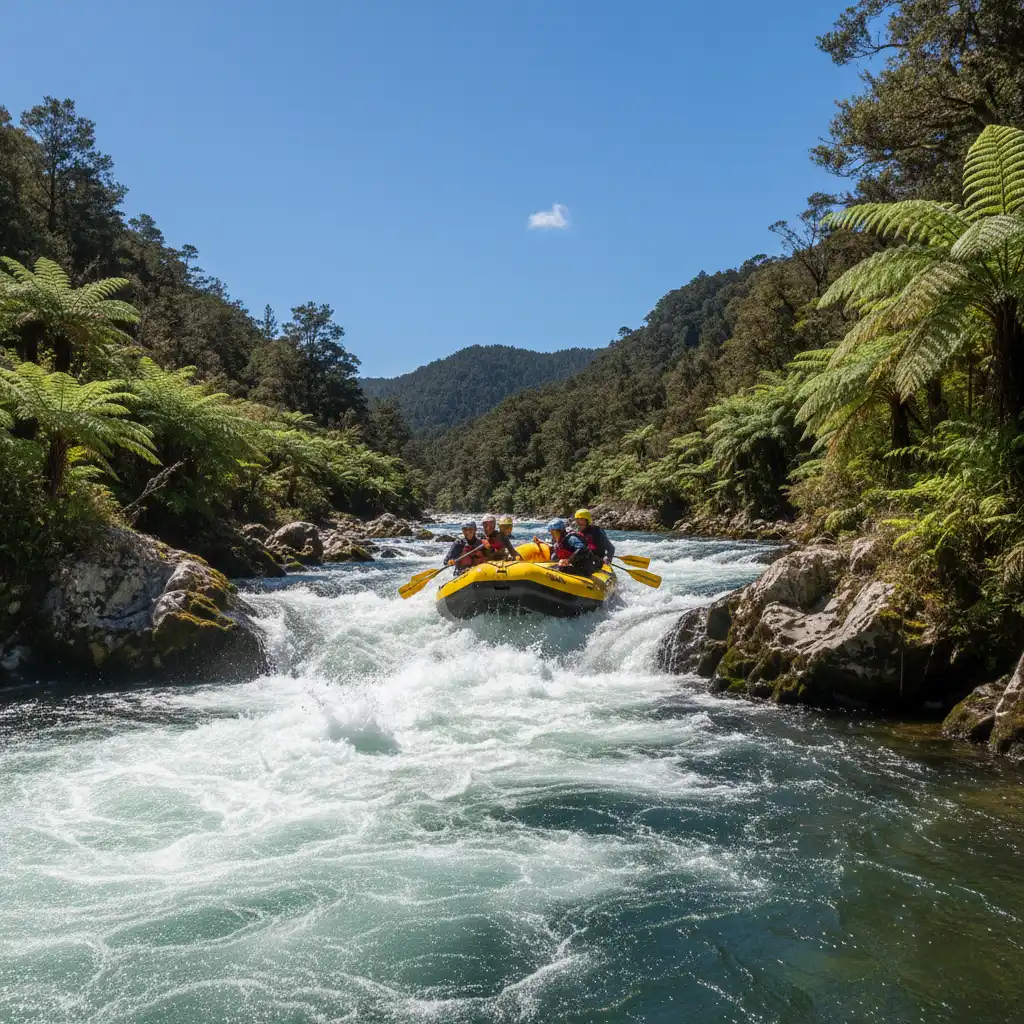
White water rafting Kawerau offers a unique adventure on the Tarawera River, characterized by Grade 2 and 3 rapids suitable for families and beginners. Distinguished as New Zealand’s warmest commercial rafting river due to geothermal inflows, it provides thrilling wave trains and picturesque native scenery in the Bay of Plenty region.
For adventure seekers touring the North Island, the Tarawera River presents a distinct alternative to the more aggressive waterways found elsewhere in New Zealand. Located in the heart of the Bay of Plenty, Kawerau is not just an industrial hub but a gateway to one of the most accessible and enjoyable white water experiences available. Whether you are a first-time rafter or looking for a warm-water winter activity, understanding the nuances of this river is essential for planning the perfect trip.
Why Tarawera is the Ultimate Grade 2-3 Experience
When discussing white water rafting Kawerau, the conversation invariably centers on the Tarawera River’s impeccable balance of excitement and accessibility. Unlike the Grade 5 sheer drops of the nearby Kaituna River, the Tarawera offers a Grade 2 to Grade 3 experience. But what does this actually mean for the consumer?
A Grade 2 river features straightforward rapids with wide, clear channels which are evident without scouting. Occasional maneuvering may be required, but rocks and medium-sized waves are easily missed by trained guides. Grade 3 introduces more complex rapids with irregular waves which may be difficult to avoid and can swamp a raft. The Tarawera blends these two, creating a dynamic environment where the boat will bounce, spin, and surge, yet the risk of flipping is significantly lower than on higher-grade rivers.
This specific grading makes the Tarawera River the premier choice for:
- Families: Children as young as 12 (sometimes younger depending on the operator and water levels) can participate safely.
- Corporate Groups: It requires teamwork without requiring peak physical fitness.
- Nervous Beginners: It provides the sensation of extreme sport without the extreme consequences.
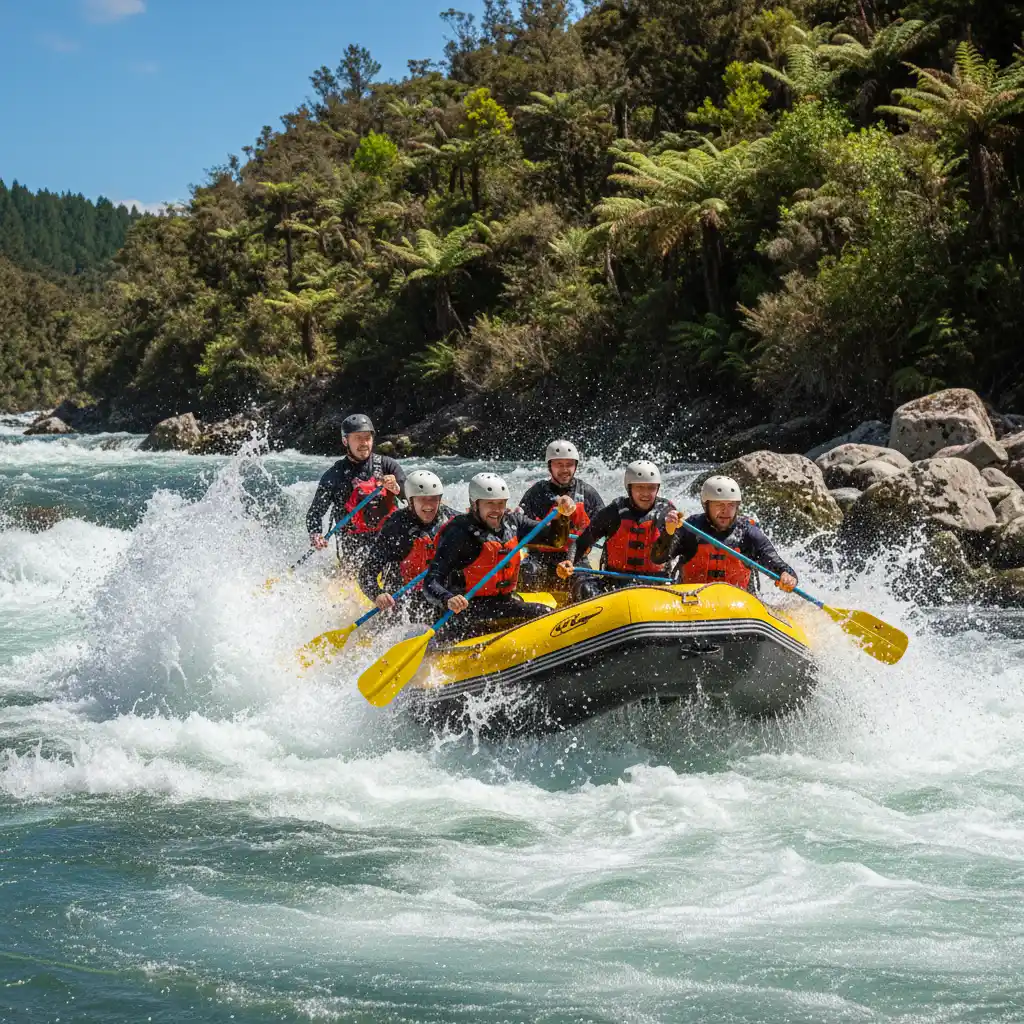
The Geothermal Advantage: NZ’s Warmest River
One of the most compelling selling points for white water rafting Kawerau is the water temperature. In a country where alpine rivers can be bone-chillingly cold even in summer, the Tarawera stands out as an anomaly.
Why is the Tarawera River so warm?
The river flows from Lake Tarawera and passes through geothermally active landscapes. Furthermore, the industrial history of Kawerau plays a role; geothermal energy usage in the area and natural thermal springs contribute to raising the ambient water temperature. While it is not a “hot pool” in the traditional sense, the water is significantly warmer than the snow-fed rivers of the South Island or the spring-fed creeks of Rotorua.
This thermal characteristic transforms the rafting season. While other rivers might require thick dry suits in July or August, the Tarawera remains comfortable year-round. This makes it an exceptional option for winter tourism in the Bay of Plenty. If you fall out—or choose to jump in—the shock factor is minimal, allowing you to enjoy the swim rather than gasping for breath.
What to Expect: Rapids, Scenery, and Adrenaline
The commercial rafting section of the Tarawera River typically covers a stretch that takes approximately 1.5 to 2 hours to navigate. The journey is not just about the whitewater; it is an immersion into the volcanic plateau’s landscape.
The Rapids
The trip usually begins with calm water, allowing the guides to instruct crews on paddle commands and safety drills. As you descend, the gradient increases. You will encounter rapids with names often bestowed by local guides, featuring churning whitewater, holes, and wave trains. The “Grade 3” sections usually appear in the latter half of the trip, providing a crescendo of excitement. Expect to get wet—rafting here is an active participation sport.
The Scenery
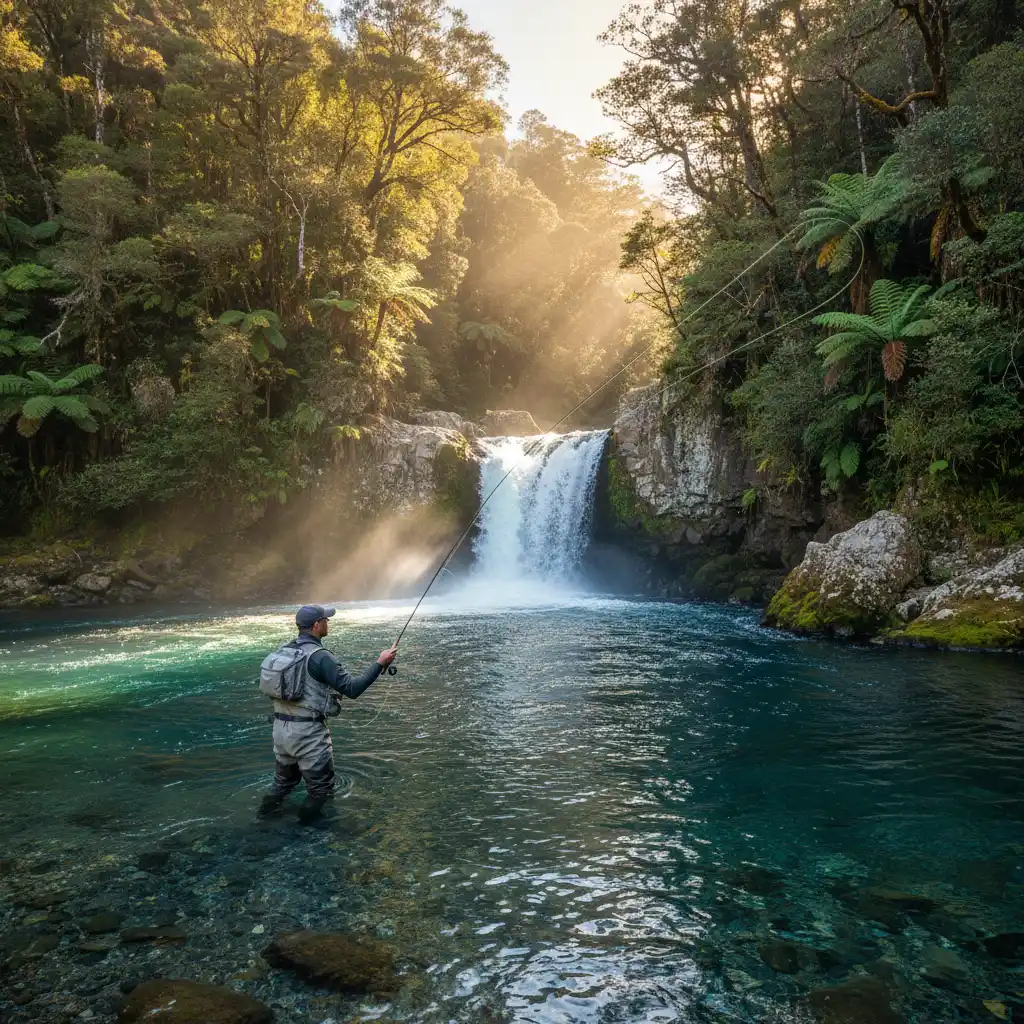
Between the rapids, the river slows into placid pools. These moments offer a chance to look up at the sheer rock faces and native vegetation lining the gorge. Pohutukawa trees (New Zealand’s Christmas tree) hang over the water, and native birds like the Fantail (Pīwakawaka) and Kingfisher (Kōtare) are frequently spotted darting across the river. The juxtaposition of the roaring industrial backdrop of the Kawerau mill at the start and the sudden transition into isolated nature is a unique aspect of this trip.
The Jump Rock
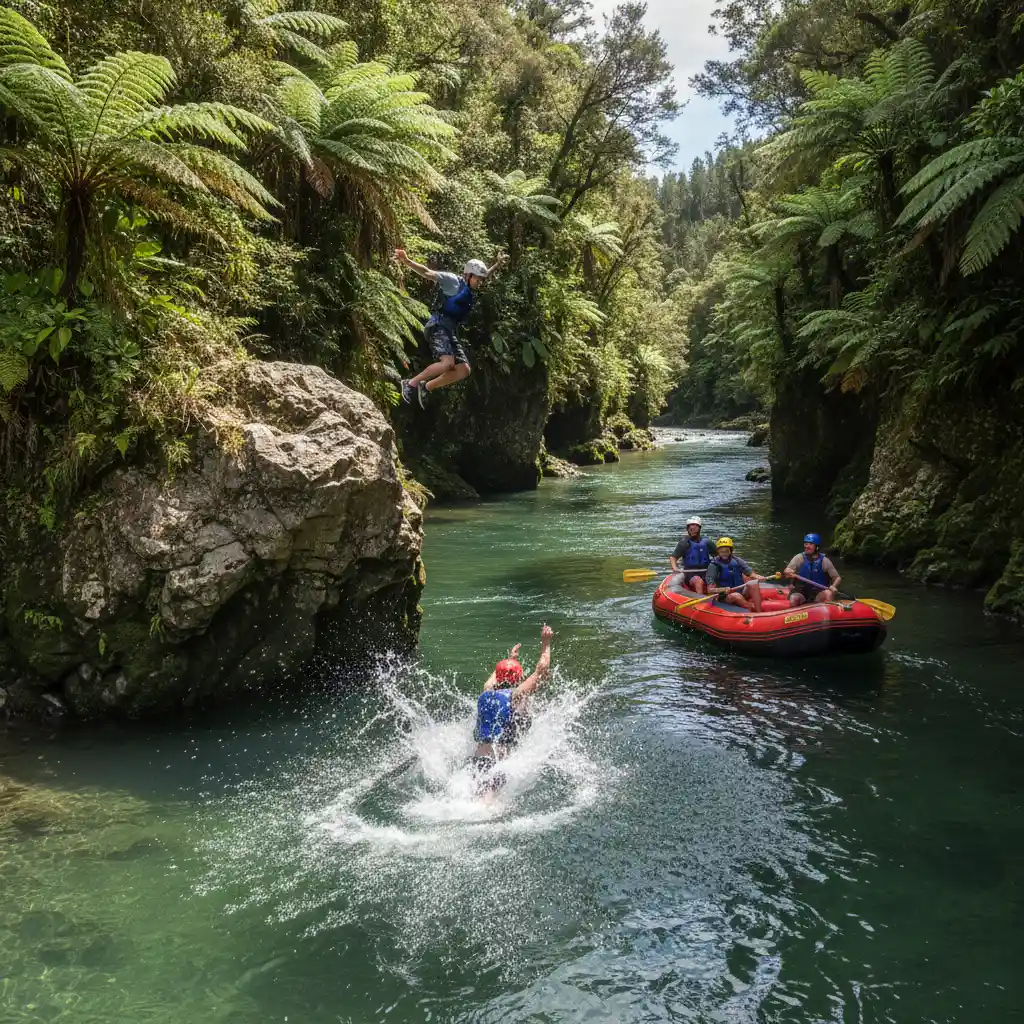
Most tours include a stop at a designated “jump rock.” This is a rite of passage for rafters on the Tarawera. It allows participants to leap from a safe height into a deep, slow-moving section of the river. It is entirely optional but highly recommended for the full experience.
Comparing Local Rafting Options: Kawerau vs. Kaituna
Visitors to the region often struggle to decide between rafting in Kawerau (Tarawera River) and the nearby Kaituna River (Okere Falls). Both are world-class experiences, but they cater to different desires.
Tarawera River (Kawerau)
- Grade: 2-3 (Moderate).
- Highlight: Warm water, longer duration on water, great for families.
- Fear Factor: Low to Medium.
- Best For: Mixed groups, families, winter rafting, and those who want fun without terror.
Kaituna River (Rotorua)
- Grade: 5 (Extreme).
- Highlight: Tutea Falls (7 meters) – the highest commercially rafted waterfall in the world.
- Fear Factor: High.
- Best For: Adrenaline junkies and confident swimmers.
If your search intent is white water rafting Kawerau, you are likely looking for a sustained, enjoyable adventure rather than a short, sharp shock. The Tarawera offers a “journey” feel, whereas the Kaituna is often described as a sprint.
Safety Protocols and Essential Gear
Commercial rafting in New Zealand is heavily regulated by Maritime New Zealand and the Adventure Activities Regulations. Operators in Kawerau adhere to strict safety management systems.
What is Provided?
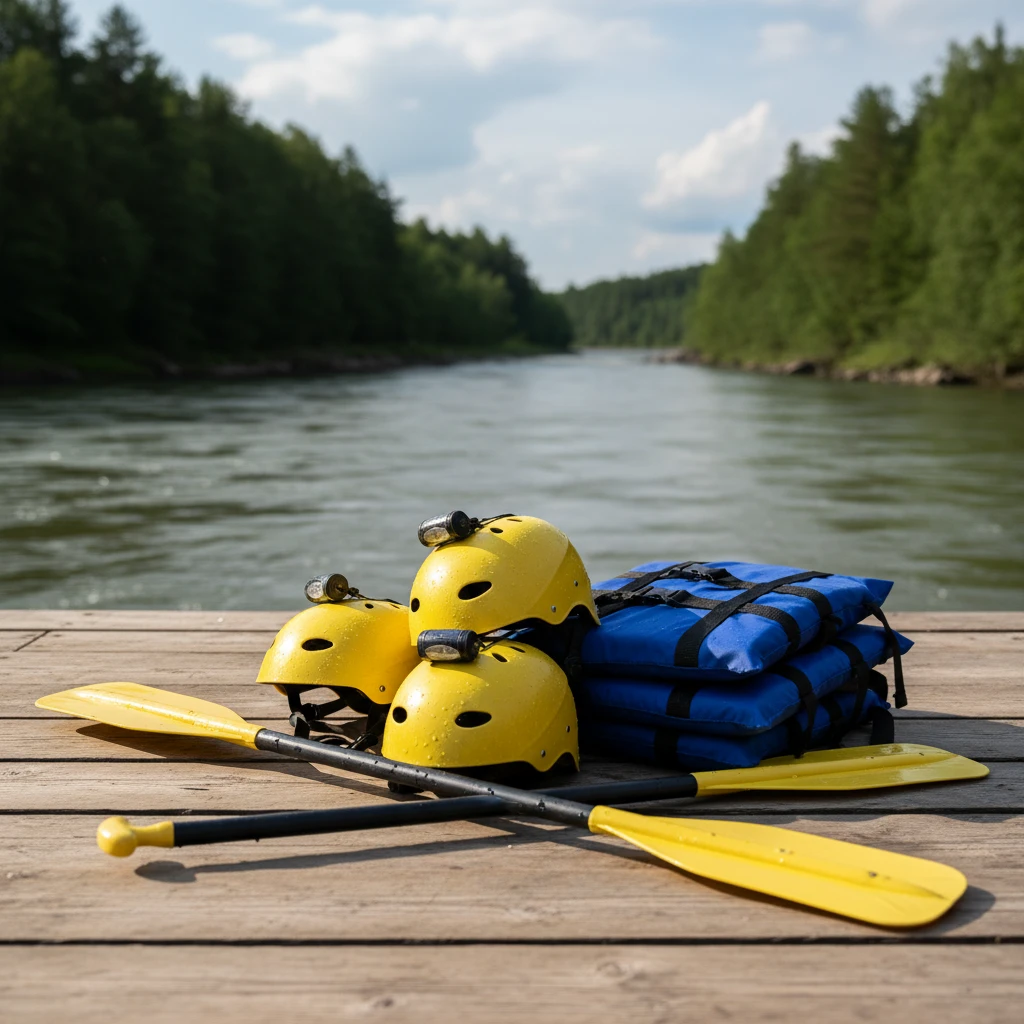
When you book a trip, the operator provides all necessary technical gear. This includes:
- Wetsuits: Usually full-length steamers or long-john style, essential for thermal protection even in warm water.
- PFD (Personal Flotation Device): High-buoyancy jackets designed for whitewater.
- Helmets: Hard-shell helmets are mandatory to protect against paddle impacts or rocks.
- Spray Jackets: Windbreakers to keep the chill off on breezy days.
- Booties: Neoprene footwear to protect your feet.
What Should You Bring?
You only need to bring swimwear (to wear under the wetsuit), a towel, and a sense of adventure. If you require medication (like asthma inhalers), hand these to your guide, who will store them in a waterproof dry bag on the raft.
Booking Information and Seasonal Availability
The primary operator for the Tarawera River is River Rats Rafting & Kayaking. They have a long-standing reputation in the industry and operate trips daily, subject to minimum numbers.
Seasonal Considerations
Because the river is dam-controlled and fed by Lake Tarawera, water levels are generally consistent, making it a reliable option year-round. Unlike rain-dependent rivers that might flood or run dry, the Tarawera is steady.
- Summer (Dec – Feb): Peak season. Booking at least two weeks in advance is recommended. The air temperature is hot, making the splashes refreshing.
- Winter (Jun – Aug): The “secret season.” Crowds are smaller, and the warm water misting in the cool air creates an ethereal atmosphere.
Pricing and Age Limits
Expect to pay between $110 and $150 NZD per adult. Children often receive a discounted rate. The standard minimum age is 12 years old, though this can drop to 8 or 10 years old for specific “family float” sections or when river levels are lower and safer.
Logistics: Getting to Kawerau
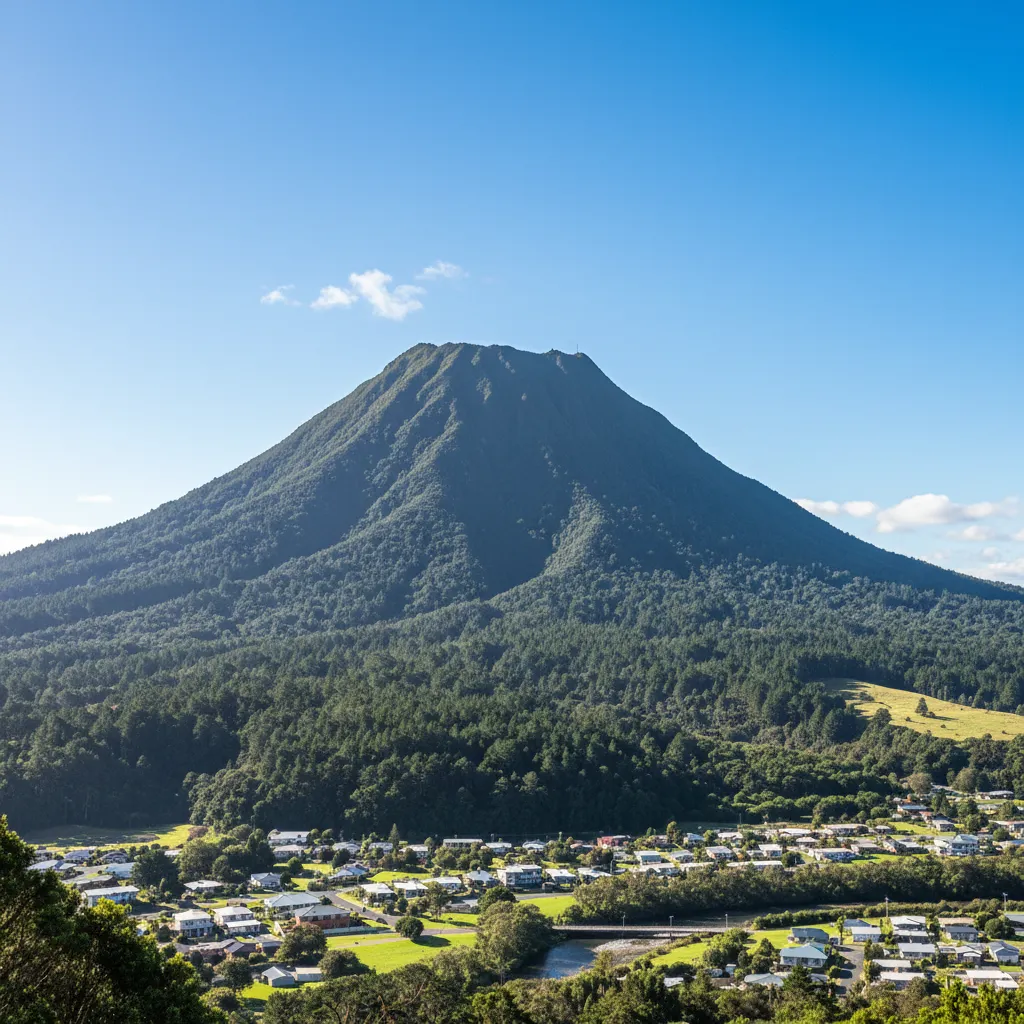
Kawerau is centrally located in the Bay of Plenty, making it an easy day trip from major tourist hubs.
- From Rotorua: A 50-minute drive past scenic lakes (Rotoiti, Rotoehu, Rotomā). Most operators offer shuttle transfers from Rotorua central accommodation for an additional fee.
- From Whakatāne: A short 25-minute drive inland.
- From Tauranga: Approximately 1 hour and 15 minutes via the Eastern Link toll road.
The meeting point is typically at the firn of the Tarawera River near the town center or at a designated base nearby. Ensure you confirm the meeting location upon booking, as GPS can sometimes be misleading in rural industrial areas.
Conclusion
White water rafting in Kawerau offers a distinct blend of thrills, warmth, and natural beauty that is difficult to find elsewhere in New Zealand. It serves as the perfect middle ground for those who find scenic floats too boring but Grade 5 drops too terrifying. With professional guides, warm water year-round, and the stunning backdrop of the Bay of Plenty, the Tarawera River deserves a top spot on your New Zealand adventure itinerary.
Is white water rafting in Kawerau safe for non-swimmers?
Yes, non-swimmers can generally participate in Grade 2-3 rafting on the Tarawera River. The Personal Flotation Devices (PFDs) provided are designed to keep you buoyant even if you cannot swim. However, you should always inform your guide of your swimming ability before the trip starts so they can keep a closer eye on you.
What is the minimum age for rafting the Tarawera River?
The standard minimum age is usually 12 years old. However, some operators may lower this to 8 or 10 years old depending on the current river levels and the specific section of the river being rafted. Always check with the provider beforehand.
How cold is the water in the Tarawera River?
The Tarawera is known as New Zealand’s warmest commercial rafting river. Temperatures are generally mild to warm due to geothermal inputs, often sitting between 18°C to 24°C (64°F – 75°F), making it comfortable even in cooler months.
Do I need to book in advance for rafting in Kawerau?
Yes, booking in advance is highly recommended, especially during the summer peak season (December to February) and school holidays. Trips require a minimum number of participants to go ahead, so early booking ensures your spot.
What happens if it rains on the day of my rafting trip?
Rafting is one of the best activities to do in the rain—you are going to get wet anyway! Trips proceed rain or shine. In fact, rain can make the surrounding native bush look even more vibrant. Cancellations only occur if river levels become dangerously high.
How long does the Tarawera rafting trip take?
The entire experience typically takes about 3 to 4 hours door-to-door (including gearing up and safety briefings). The actual time spent on the water is usually between 1.5 to 2 hours.