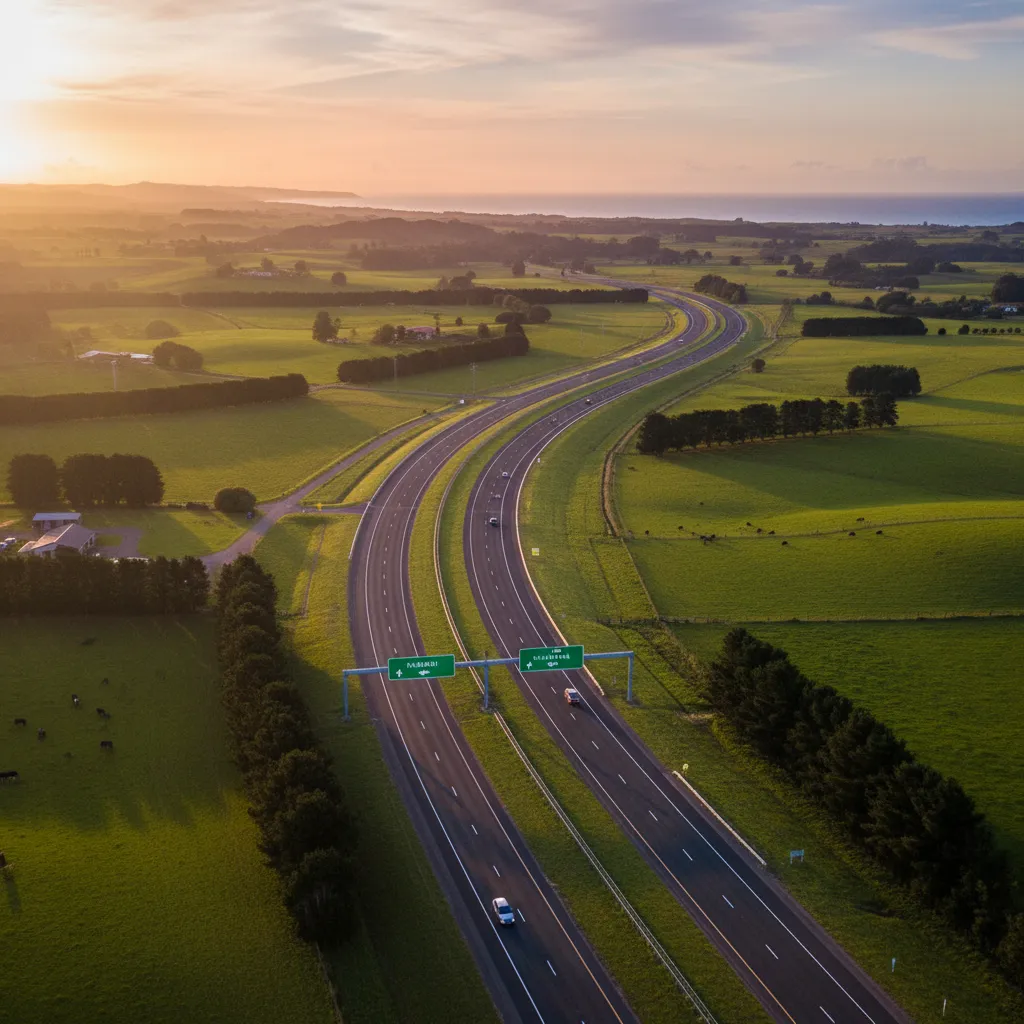
Public transport to Kawerau is primarily served by the Baybus regional network, specifically Route 135, which connects Whakatāne and Kawerau. For long-distance travelers coming from major hubs like Auckland or Rotorua, the most effective strategy involves taking an InterCity coach to Whakatāne or Rotorua, then transferring to the local Baybus service for the final leg of the journey.
The Baybus Regional Network: Your Gateway to the Eastern Bay
Traveling to Kawerau without a private vehicle requires a solid understanding of the Bay of Plenty’s regional transport infrastructure. Unlike major metropolitan areas with high-frequency subway systems, the Eastern Bay of Plenty relies on a strategic bus network known as Baybus. Managed by the Bay of Plenty Regional Council, this network serves as the lifeline for residents and tourists alike, connecting inland industrial and lifestyle hubs like Kawerau with coastal centers.
For the uninitiated traveler, relying on public transport in rural New Zealand can seem daunting. However, the system is reliable, cost-effective, and offers a scenic perspective of the region that drivers often miss while focusing on the road. The network is designed to facilitate commuter traffic, shopping trips, and increasingly, domestic tourism. Understanding the hierarchy of these routes is essential for a seamless journey.
Primary Operators and Service Levels
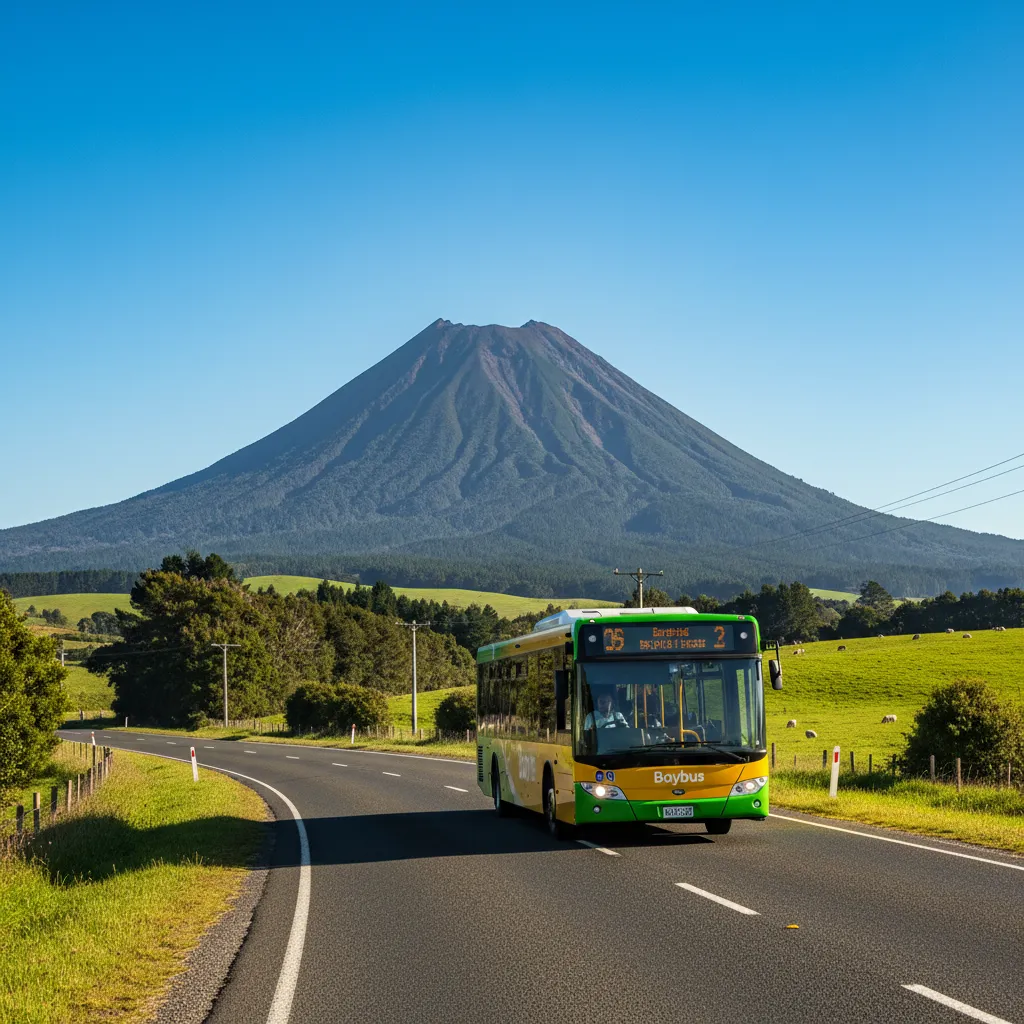
While Baybus handles the regional connectivity, it is important to distinguish between the different tiers of transport available in the sector. Baybus operates the scheduled public transit services. These are subsidized routes focused on accessibility and frequency. InterCity operates the national long-haul coach network. InterCity does not have a dedicated stop in Kawerau’s town center for all routes, often necessitating a transfer in Whakatāne or Rotorua. This distinction is critical for planning: InterCity gets you to the region; Baybus gets you to Kawerau.
Deep Dive: Route 135 (Whakatāne to Kawerau)
If you are searching for “public transport to Kawerau,” Route 135 is your primary answer. This route is the dedicated connector between the Whakatāne district and the Kawerau district. It is not merely a commuter shuttle; it is a vital link that runs through the heart of the Rangitāiki Plains.
Route Overview and Key Stops
Route 135 typically begins at the Whakatāne Quay or the Kopeopeo transport hub and terminates in the Kawerau town center. The journey covers approximately 35 kilometers and generally takes between 40 to 50 minutes, depending on traffic and the number of stops requested. Key stops along this route often include:
- Whakatāne Quay: The central hub for transfers and access to the CBD.
- Kopeopeo: A major suburban stop in Whakatāne.
- Te Teko: A small settlement roughly halfway, serving as a significant cultural marker.
- Kawerau Town Center (Islington Street): The primary drop-off point, centrally located near supermarkets, the library, and the i-SITE visitor information center.
The route provides a reliable schedule, usually operating Monday through Friday with reduced or limited services on weekends. It is imperative to check the most current timetable on the Baybus website, as regional schedules can shift based on seasonal demand or public holidays.
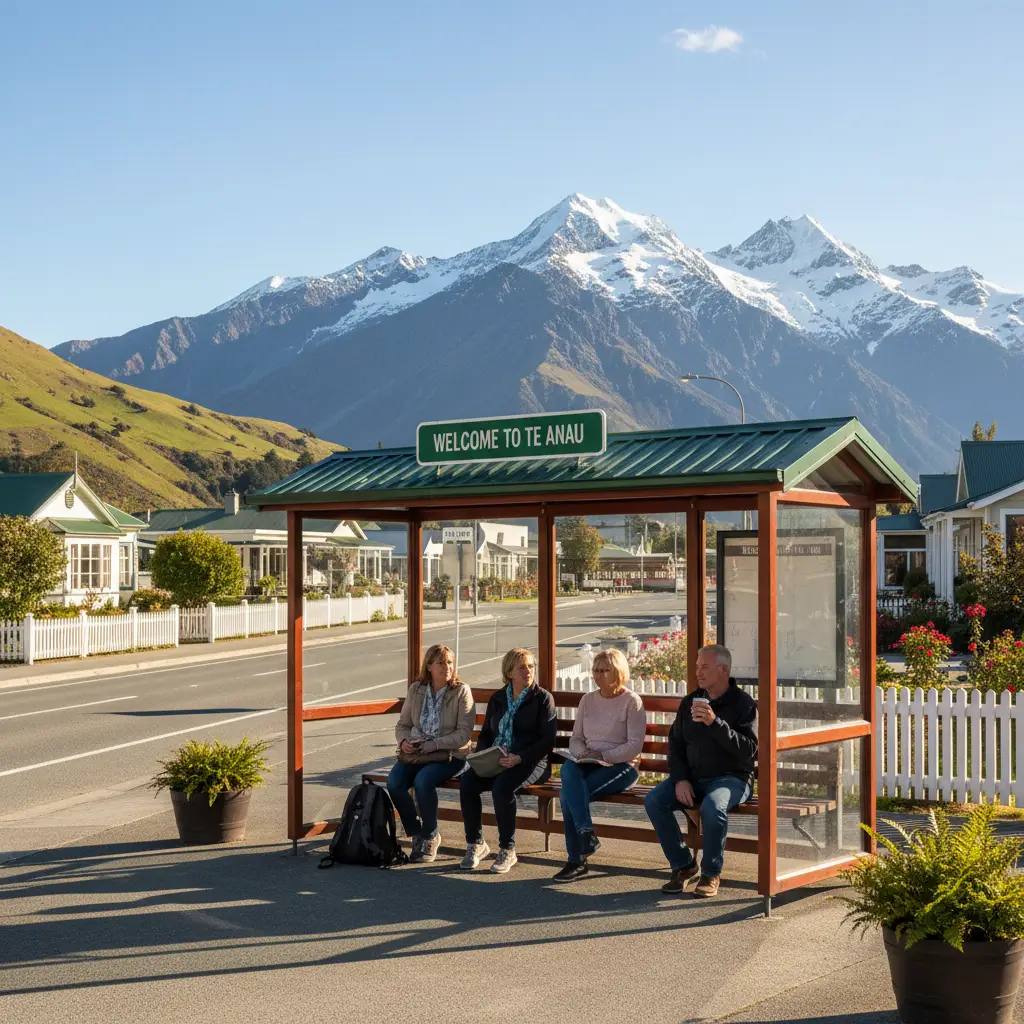
Connecting from Rotorua, Tauranga, and Beyond
Kawerau’s location is inland, meaning direct coastal routes do not always apply. Travelers coming from major tourism hubs must employ a transfer strategy. Here is how to navigate the connections from key North Island locations.
From Rotorua to Kawerau
Rotorua is a common starting point for travelers. To get to Kawerau using public transport, you generally have two options:
- The Baybus Route 101 Connection: You can take Route 101 (Rotorua to Whakatāne). This service travels from Rotorua CBD to Whakatāne. Once in Whakatāne, you transfer to Route 135 to backtrack slightly inland to Kawerau. While this adds time to the journey, it is the most cost-effective method using a single ticketing system (Bee Card).
- InterCity Transfer: Take an InterCity bus from Rotorua to Whakatāne, then switch to the local Baybus 135. This is often more comfortable but more expensive.
From Tauranga to Kawerau
Tauranga, being the major port city, has robust connections. The most logical public transport flow is:
- Take the Eastern Bay Express or relevant Baybus connector from Tauranga to Whakatāne.
- Transfer at the Whakatāne hub to Route 135.
Note that direct shuttles may exist for specific workforce requirements (given Kawerau’s industrial mill operations), but for general public transport, the transfer via Whakatāne is the standard operating procedure.
Fares, The Bee Card, and Ticketing
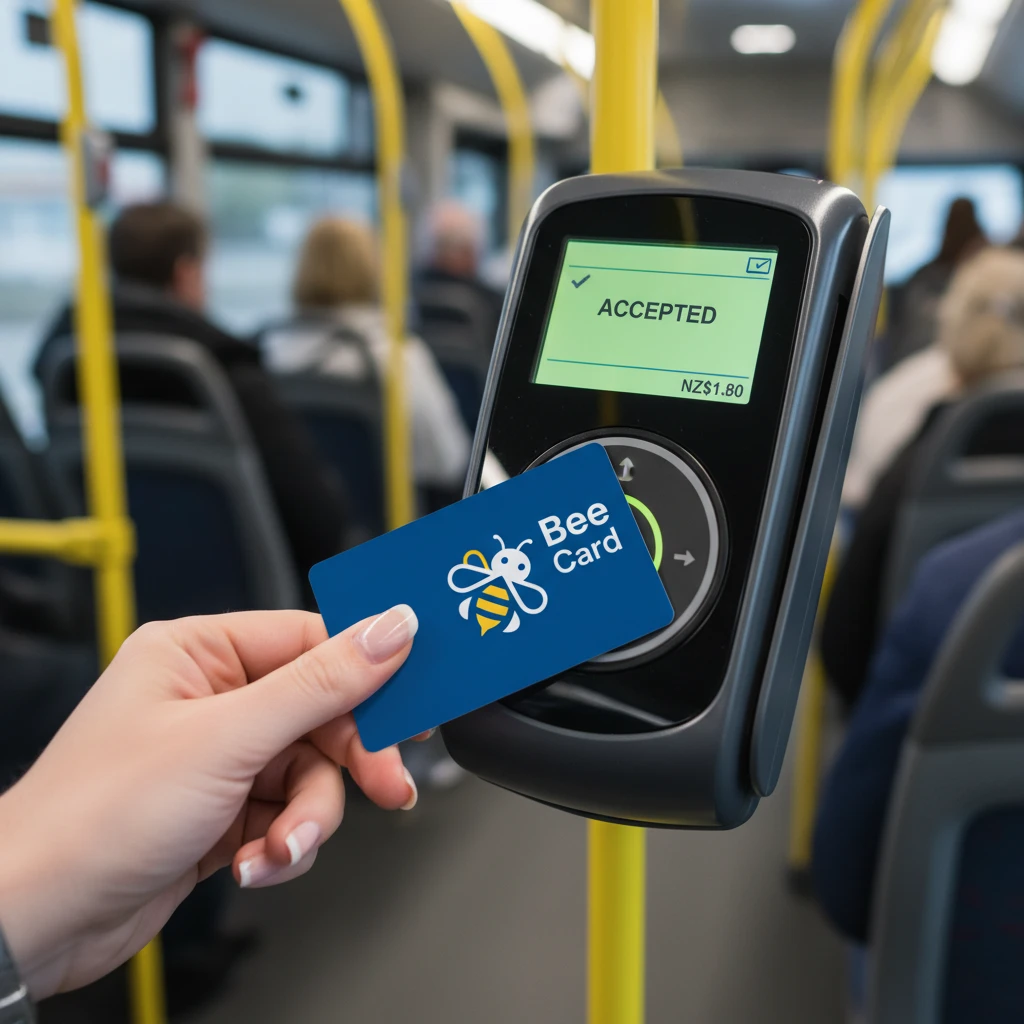
Navigating the payment systems of regional transport is a frequent pain point for travelers. The Bay of Plenty utilizes the Bee Card system, which is a standardized tag-on/tag-off smart card used across several regions in New Zealand.
Why You Need a Bee Card
While cash may occasionally be accepted on some services, it is heavily discouraged and often attracts a higher fare. The Bee Card offers a significant discount on fares—often up to 20-30% cheaper than paying cash. Furthermore, concessions for seniors (SuperGold Card holders) and youth are easily applied to the Bee Card, making travel substantially cheaper or even free during off-peak hours.
Fare Zones and Cost Estimates
Fares are calculated based on zones. Kawerau is its own zone, distinct from Whakatāne. A typical one-way adult fare using a Bee Card is incredibly affordable, often costing less than the price of a coffee. For a traveler utilizing the “Kawerau Base Camp Strategy”—staying in Kawerau to save on accommodation costs while exploring the region—the low cost of transport validates the strategy. Traveling from Whakatāne to Kawerau is generally considered a two-zone trip.
Timetables and Strategic Planning
One of the critical differences between urban and regional transport is frequency. In Auckland, if you miss a bus, another comes in 10 minutes. In the Eastern Bay of Plenty, missing a bus might mean waiting several hours or until the next day.
Peak vs. Off-Peak
Route 135 is optimized for commuters and students. Consequently, the frequency is highest in the early morning (7:00 AM – 9:00 AM) and late afternoon (3:00 PM – 5:30 PM). Mid-day services exist but are less frequent. If you are planning a day trip to Kawerau to hike Mount Putauaki or visit the Tarawera Falls (via shuttle), you must align your arrival with the morning service and ensure you do not miss the last bus back to Whakatāne in the late afternoon.
Digital Tools for Tracking
To avoid being stranded, it is highly recommended to use the Transit App or Google Maps, both of which integrate Baybus real-time data. These apps will show you exactly where the bus is, delays, and transfer windows. Do not rely solely on printed timetables found at bus stops, as they may be outdated.
Accessibility and Onboard Amenities
Modern travel requires accessibility for all. The Baybus fleet servicing the Kawerau route is progressively being modernized to ensure inclusivity.
Wheelchair Access
Most buses operating on the Route 135 service are low-floor vehicles equipped with ramps. However, the infrastructure at specific rural bus stops varies. While the main stops in Kawerau and Whakatāne are fully accessible with raised curbs, some intermediate stops in rural areas may be on gravel verges. It is advisable for travelers requiring wheelchair access to contact the Baybus helpline 24 hours in advance to ensure the specific bus scheduled for that run is fully accessible.
Bicycles and Luggage
Kawerau is an adventure capital, known for mountain biking and trails. Baybus vehicles are typically equipped with front-mounted bike racks, capable of carrying two bicycles. This is a free service, available on a first-come, first-served basis. This feature is a game-changer for tourists who want to bring their bikes to explore the Tarawera Forest. Luggage space is generally available, but large items should be managed carefully as these are commuter buses, not dedicated coach liners with under-floor storage.

The Kawerau Base Camp Strategy
Why choose Kawerau as a destination for public transport? The “Kawerau Base Camp Strategy” is an emerging trend in domestic tourism. Accommodation prices in Rotorua and Tauranga have skyrocketed. Kawerau offers a significantly more affordable cost of living and accommodation rates (such as motorhome parks and Airbnbs). By utilizing the affordable public transport network, savvy travelers can establish a base in Kawerau and commute outward to the major tourist attractions.
This strategy relies heavily on the reliability of Route 135 and Route 101. It allows for a quiet, community-focused evening experience in Kawerau, with the ability to spend days in the bustling tourist centers. Furthermore, Kawerau itself offers free hot pools (Maurie Kjar Memorial Swimming Pool) and immediate access to nature, providing value that complements the savings on transport.
People Also Ask (PAA)
Is there a direct bus from Auckland to Kawerau?
No, there is no direct public bus from Auckland to Kawerau. Travelers must take an InterCity bus from Auckland to Whakatāne or Rotorua, and then transfer to the local Baybus regional service to reach Kawerau.
How much does the bus to Kawerau cost?
Fares depend on your origin and payment method. Using a Bee Card, a trip from Whakatāne to Kawerau typically costs between $3.00 and $4.00 NZD for an adult. Cash fares are higher. Concessions are available for children and SuperGold cardholders.
Can I use my AT HOP card in Kawerau?
No, the AT HOP card is specific to Auckland Transport. The Bay of Plenty region uses the Bee Card. You will need to purchase a Bee Card from a retailer or online to access discounted fares in Kawerau.
Does the bus to Kawerau run on weekends?
Weekend services on regional routes like Route 135 are often limited or non-existent depending on the season. It is critical to check the official Baybus timetable for Saturday and Sunday availability before traveling.
Are there trains to Kawerau?
No, there are no passenger train services to Kawerau. The railway lines running into Kawerau are exclusively used for freight, primarily serving the pulp and paper mills. Public transport is restricted to road-based buses and shuttles.
Can I take my bike on the bus to Kawerau?
Yes, most Baybus vehicles on the Kawerau route are equipped with bike racks on the front of the bus. There is no extra charge for bikes, but space is limited to two bikes per bus on a first-come, first-served basis.