The history of Kawerau is defined by two distinct eras: the ancient occupation by Ngāti Tūwharetoa ki Kawerau surrounding the sacred mountain Pūtauaki, and its rapid establishment in 1953 as a purpose-built mill town. Designed to service the Tasman Pulp and Paper Company, it became a blueprint for industrial town planning in New Zealand, evolving from a single-industry settlement into a modern geothermal energy hub.
What are the origins of the Kawerau township?
While often cited as one of New Zealand’s youngest towns due to its official constitution in the mid-20th century, the history of Kawerau extends back centuries before European arrival. The area is the ancestral home of Ngāti Tūwharetoa ki Kawerau, a distinct branch of the Tūwharetoa iwi that settled in the Bay of Plenty region.
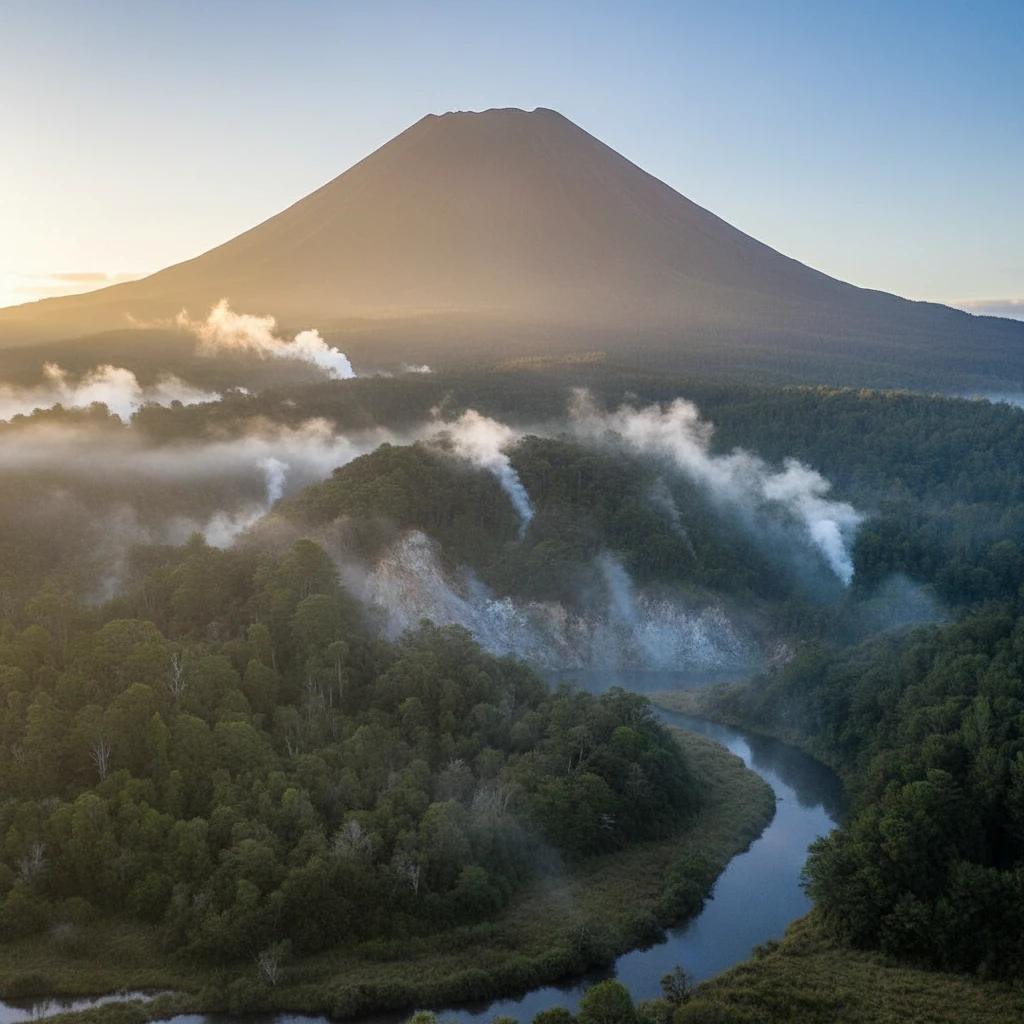
The geography of the region has always dictated its history. Dominating the skyline is Pūtauaki (Mt Edgecumbe), a dormant volcanic cone standing 820 meters high. For the local Māori, Pūtauaki is not merely a mountain but a sacred ancestor and a significant burial ground for high-ranking chiefs. The pre-European settlement thrived here largely due to the region’s intense geothermal activity. The natural steam vents and hot springs provided warmth, bathing facilities, and a reliable method for cooking food and preserving crops.
By the late 19th and early 20th centuries, the land was largely covered in mānuka scrub and fern, seemingly unsuitable for traditional farming. However, the volcanic soils were secretly harboring the potential for what would become the backbone of the New Zealand economy: exotic forestry.
How was Kawerau established in the 1950s?
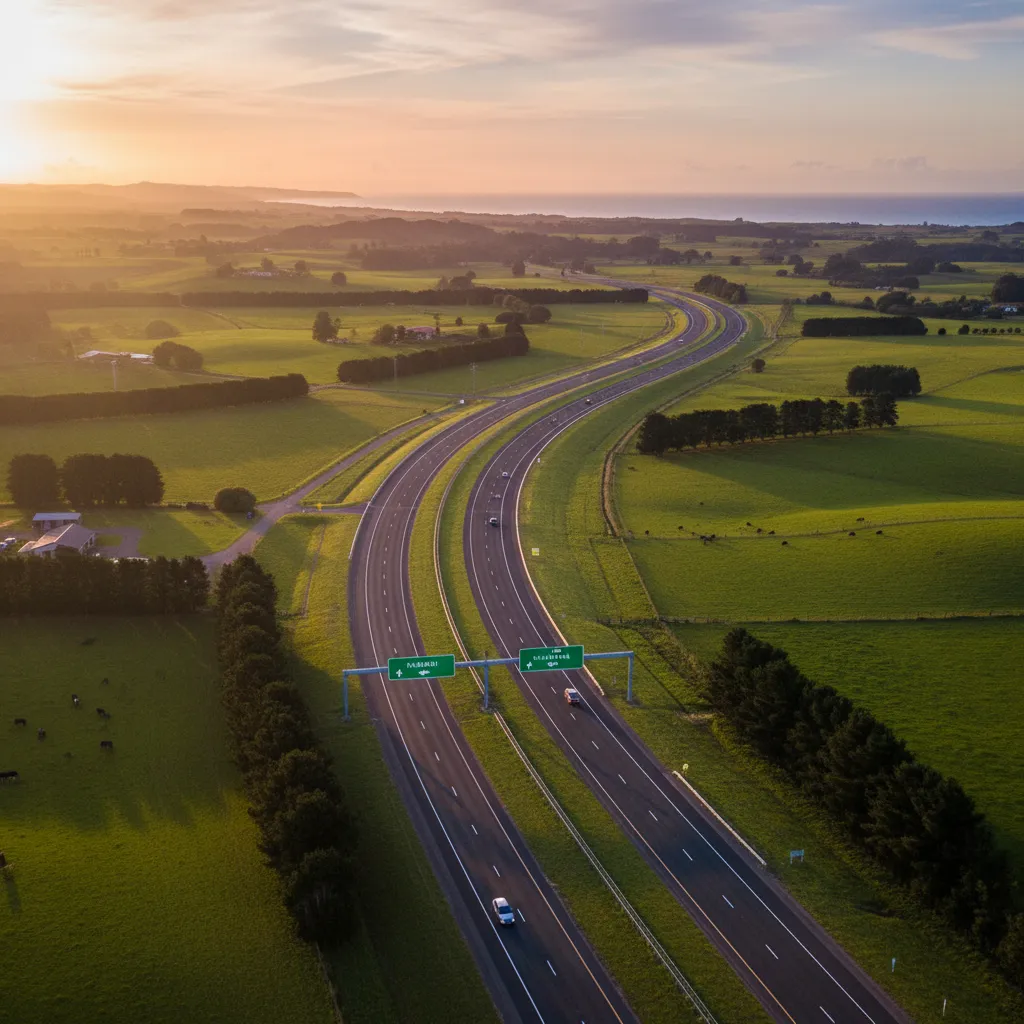
The modern history of Kawerau began with a crisis of abundance. During the 1920s and 30s, the New Zealand government planted vast swathes of Pinus radiata in the Kaingaroa Forest to combat soil erosion and utilize the volcanic plateau. By the late 1940s, these trees were reaching maturity, and the government faced a pressing question: how to harvest and process millions of tons of timber?
The solution was the establishment of the Tasman Pulp and Paper Company in 1952. To support a mill of this magnitude—intended to be one of the largest in the Southern Hemisphere—a dedicated workforce was required. However, the mill site was located in a remote area with no existing housing infrastructure.
The Birth of a Planned Community
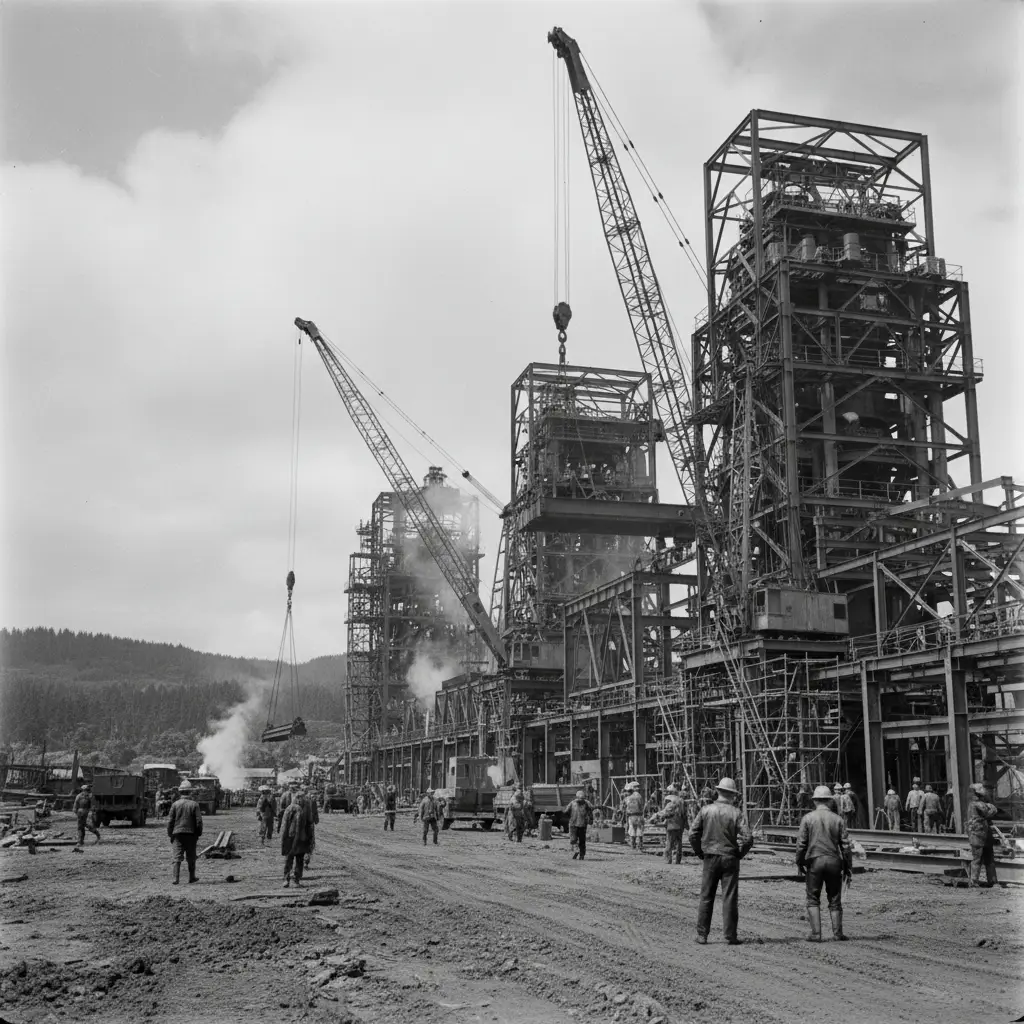
In 1953, the Ministry of Works, in conjunction with the mill’s developers, designated a site for a new township. Unlike organic settlements that grow over time, Kawerau was an “instant town.” The Kawerau Borough Council was constituted by a special Act of Parliament in 1954, even as the foundations of the first houses were being poured.
The speed of construction was unprecedented. Workers from across the globe—including significant contingents from Finland, the United Kingdom, Canada, and Australia—descended on the Bay of Plenty. They brought with them specialized skills in forestry and paper milling, creating a melting pot of cultures in the heart of the North Island. At its peak construction phase, the town was a hive of activity, transforming from scrubland to a fully functioning municipality in less than three years.
What was Sir James Fletcher’s role in Kawerau’s history?
No history of Kawerau is complete without examining the influence of Sir James Fletcher, the industrialist who helmed Fletcher Construction. Fletcher was instrumental in the negotiations that led to the creation of the Tasman Pulp and Paper Company. He envisioned not just a factory, but a thriving community that would set a standard for industrial living in New Zealand.
Fletcher’s influence extended beyond the boardroom. He was deeply involved in the town’s layout and the quality of housing provided to workers. He understood that to attract world-class experts from Scandinavia and North America to a remote part of New Zealand, the living conditions had to be superior. Under his guidance, the partnership between the government and private enterprise flourished, creating a unique model where the town existed symbiotically with the mill.
This era is often referred to as the “Golden Age” of Kawerau. Wages were high, employment was virtually guaranteed, and the town boasted facilities—such as an Olympic-sized swimming pool and modern community centers—that rivaled those of much larger cities.
How was the town designed and planned?
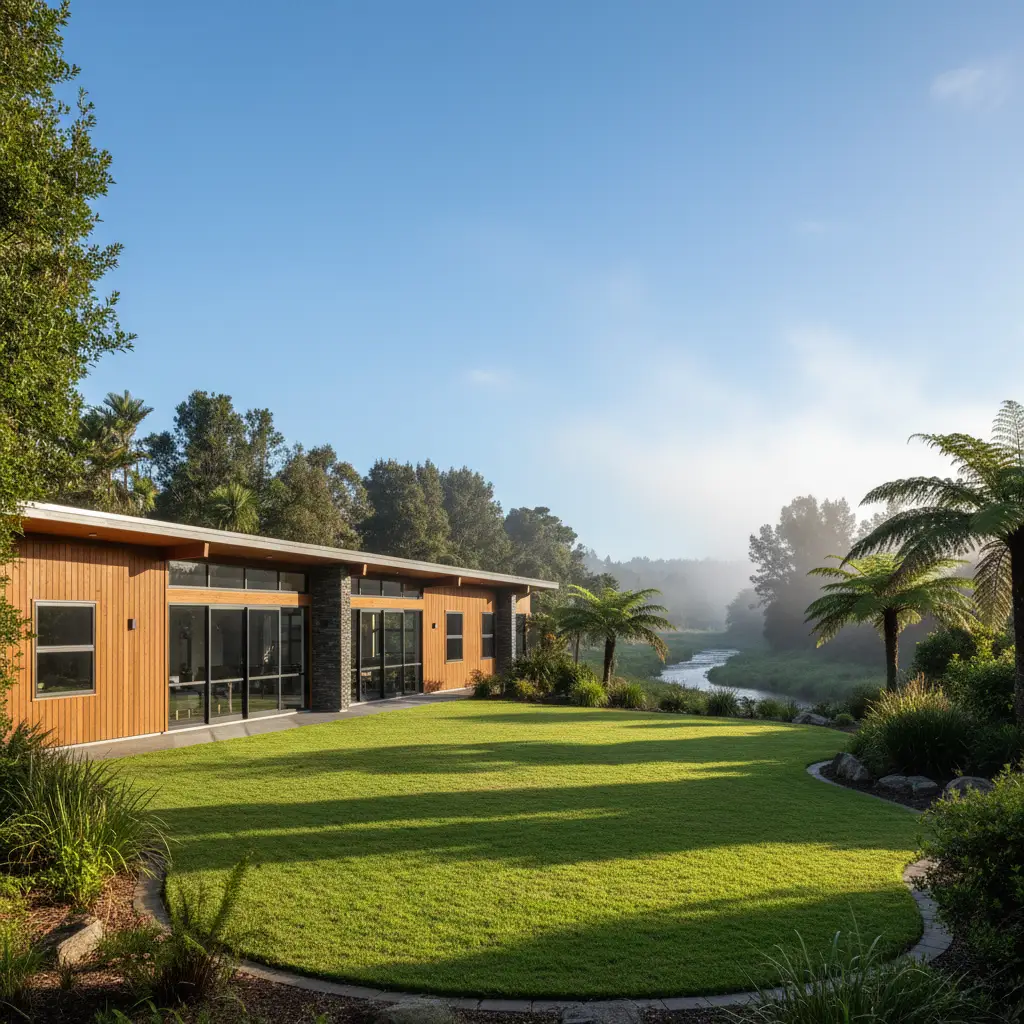
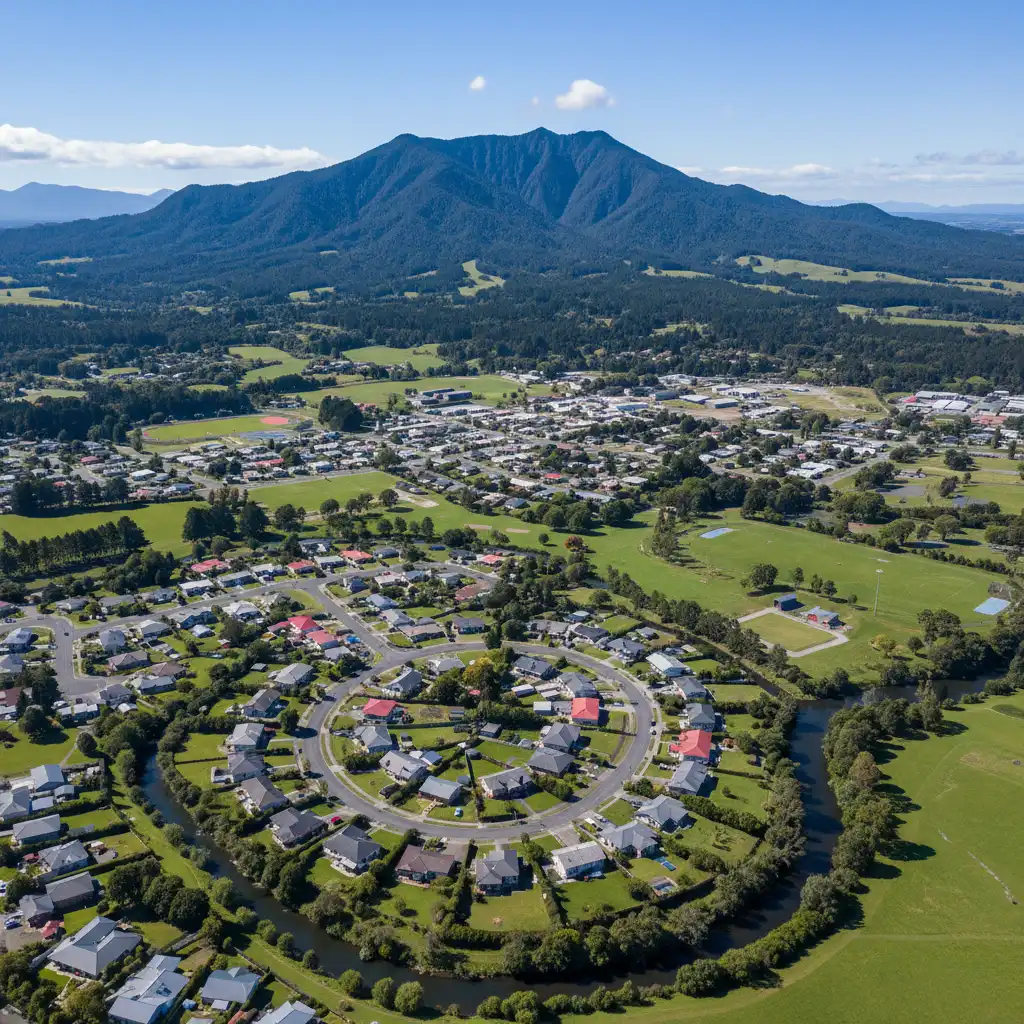
Kawerau’s layout is a classic example of mid-century “Garden City” planning principles, adapted for a New Zealand context. The town was not laid out in a rigid grid; instead, it featured curved streets, cul-de-sacs, and abundant green spaces designed to foster community interaction and safety for children.
Neighborhood Segmentation
Historically, the town planning reflected the social hierarchy of the mill. There were distinct areas for management and different areas for general laborers. The “mill houses” were built to high specifications for the time, utilizing native timbers and robust designs that have stood the test of time. Today, these 1950s homes are highly sought after by first-home buyers for their solid construction.
The town was designed with the geothermal landscape in mind. While the mill utilized the high-pressure steam for power and processing, the town’s location was carefully selected to avoid active geothermal hazards while still remaining close enough to the workplace to minimize commute times. This thoughtful planning has resulted in Kawerau having one of the highest ratios of reserve land and parks per capita in New Zealand.
How has Kawerau’s economy evolved?
For three decades, Kawerau prospered as a single-industry town. However, the economic restructuring of the 1980s and 1990s—often referred to as “Rogernomics”—brought significant challenges. The privatization of state assets and the restructuring of the forestry sector led to massive redundancies. The population, which had peaked at over 8,000, began to decline as families moved away in search of work.
The Shift to Industrial Symbiosis
In the late 1990s and early 2000s, Kawerau faced a critical turning point. The town could no longer rely solely on the Tasman Mill (which eventually passed through ownership by Fletcher Challenge, Norske Skog, and now Oji Fibre Solutions and Essity). The leadership recognized that diversification was the key to survival.
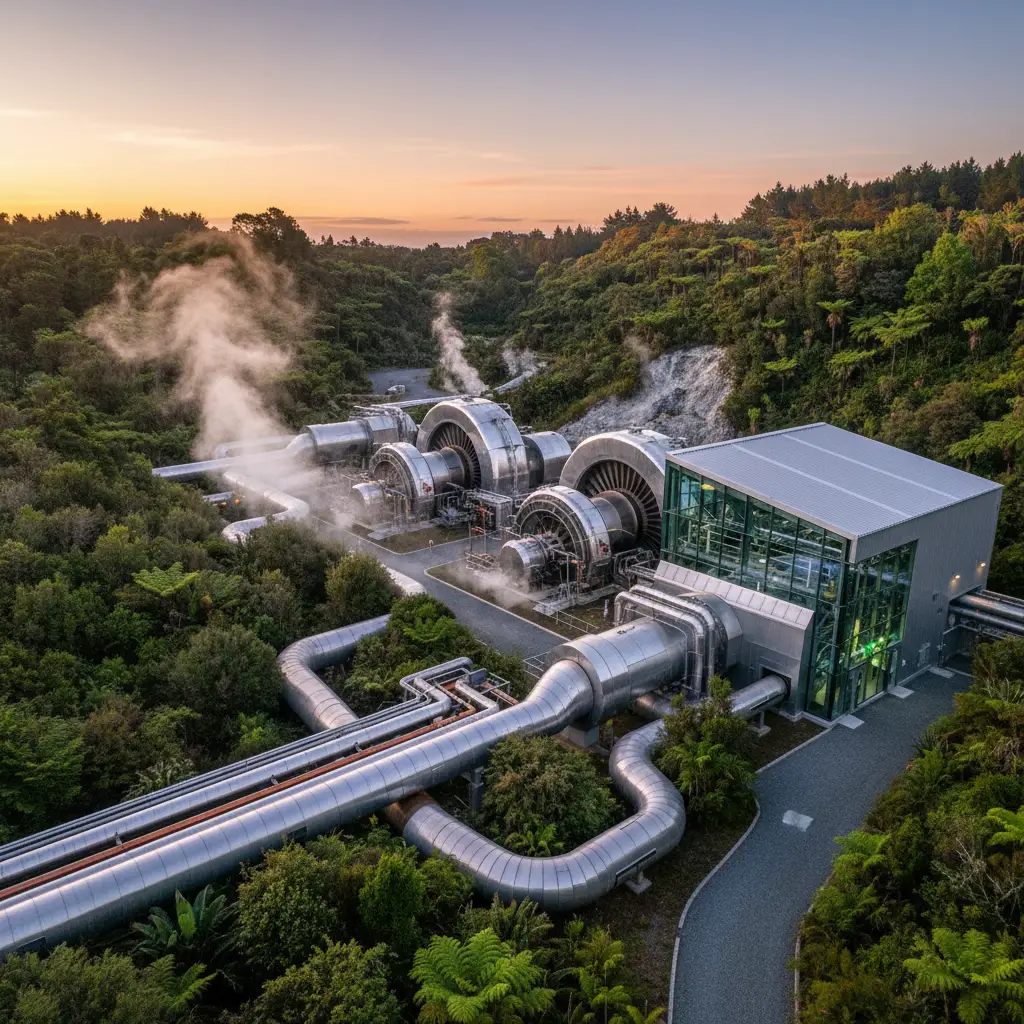
This led to the concept of Industrial Symbiosis Kawerau (ISK). This strategy leverages the region’s greatest natural asset: geothermal energy. Today, Kawerau is home to the world’s largest geothermal process steam field. The town has successfully attracted a diverse range of industries that utilize this clean, renewable energy.
Key developments in this economic evolution include:
- Geothermal Power Generation: Mercury and other providers have established major geothermal power stations, feeding the national grid and local industry.
- Sustainable Manufacturing: Companies like Sequal Lumber utilize geothermal heat for timber drying, reducing their carbon footprint significantly.
- Dairy Processing: The establishment of satellite industries that benefit from the established logistics and energy infrastructure.
What is the state of Kawerau in 2024/2025?
As we move through late 2024 and into 2025, Kawerau is experiencing a renaissance. The narrative of a “struggling mill town” has been replaced by one of a “sustainable energy capital.” The town has seen a resurgence in its property market, driven by retirees and young families priced out of nearby Tauranga and Whakatāne, who are discovering the value of the solid 1950s housing stock.
Tourism and Lifestyle
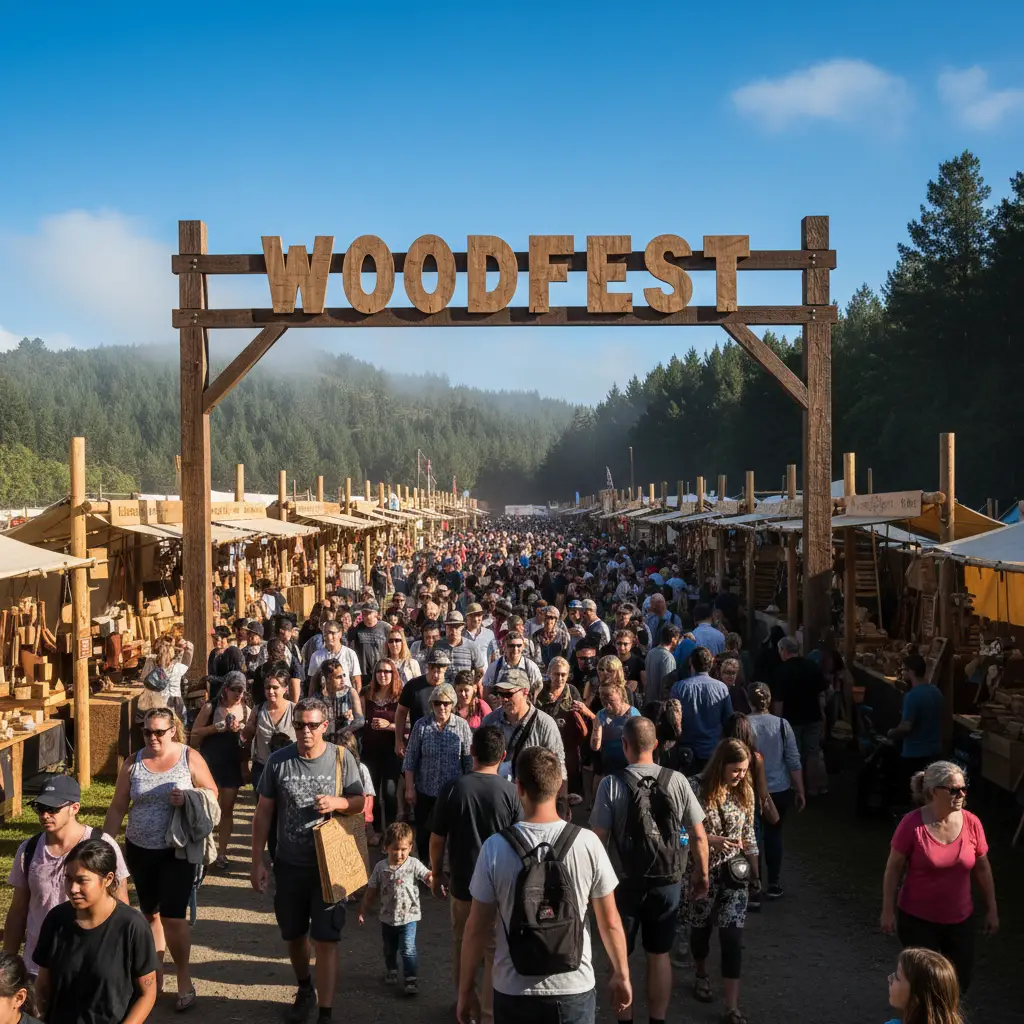
The history of Kawerau is also being rewritten through tourism. The Tarawera River, once purely industrial, is now a venue for national kayaking slalom championships. The town hosts the annual King of the Mountain race up Pūtauaki, a grueling event that celebrates the town’s connection to its maunga. Furthermore, the Tarawera Ultramarathon brings international attention to the region’s forestry trails.
Current initiatives focus on restoring the environment and celebrating the Māori heritage that predates the mill. The Kawerau District Council continues to work closely with Ngāti Tūwharetoa ki Kawerau to ensure that economic development respects cultural values. The town stands today not just as a monument to New Zealand’s industrial past, but as a forward-looking model of how regional towns can adapt to a low-carbon future.
People Also Ask (PAA)
When was Kawerau founded?
Kawerau was officially constituted as a borough in 1954, although construction of the town and the mill began in 1953. It is considered one of New Zealand’s youngest towns.
Why was Kawerau built?
Kawerau was purpose-built to house the workforce for the Tasman Pulp and Paper Company. The location was chosen due to its proximity to the Kaingaroa Forest and the availability of geothermal energy.
What is the Māori history of Kawerau?
The area is the ancestral land of Ngāti Tūwharetoa ki Kawerau. They have occupied the region for centuries, utilizing the geothermal resources for warmth and cooking, and holding the mountain Pūtauaki as sacred.
Is the Kawerau mill still operating?
Yes, although the structure has changed. The site is now home to multiple operators, including Oji Fibre Solutions and Essity, and operates under an industrial symbiosis model powered by geothermal energy.
What does the name Kawerau mean?
The name Kawerau roughly translates to “carrier of leaves” (kawe = to carry, rau = leaves), referring to the ancient practice of using leaves to carry food cooked in the geothermal vents.
Who designed the town of Kawerau?
The town was designed by the Ministry of Works in collaboration with Fletcher Construction, heavily influenced by Sir James Fletcher. It utilized “Garden City” principles with curved streets and ample green reserves.