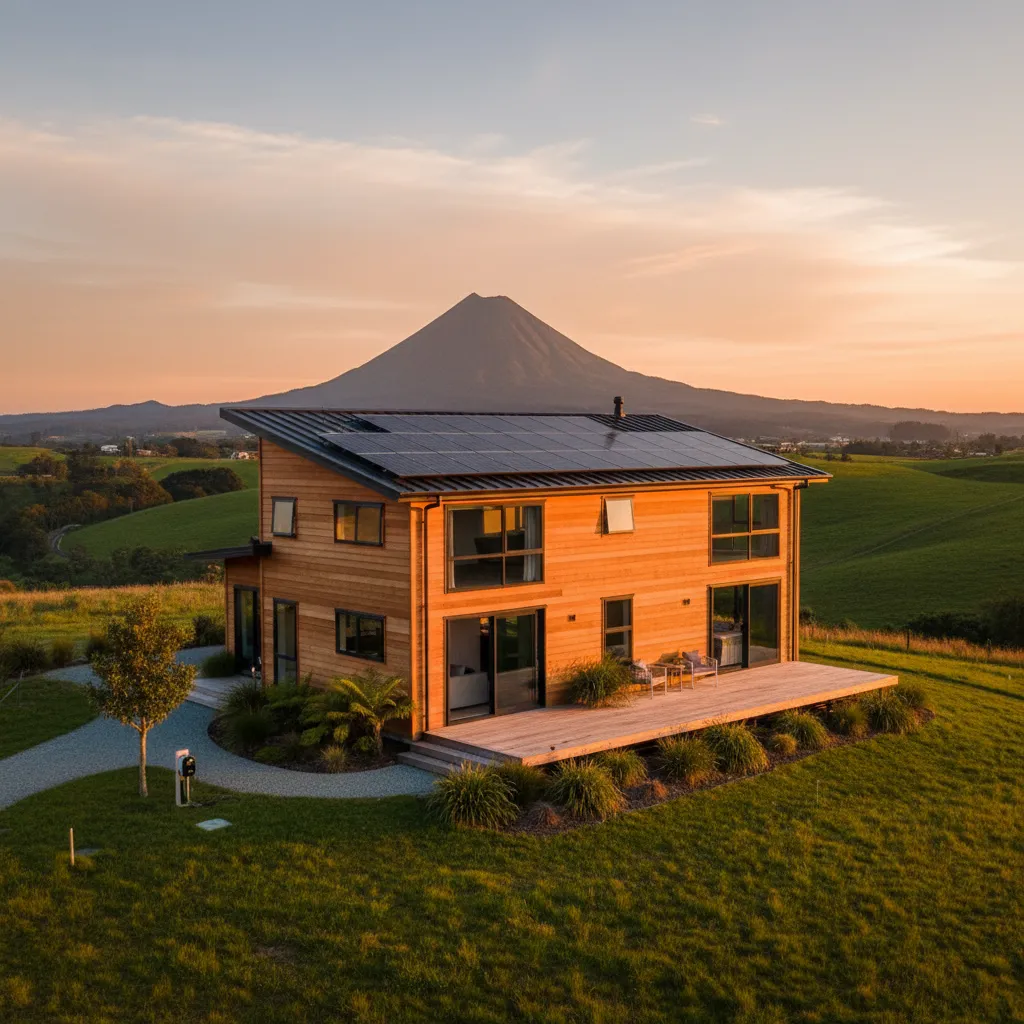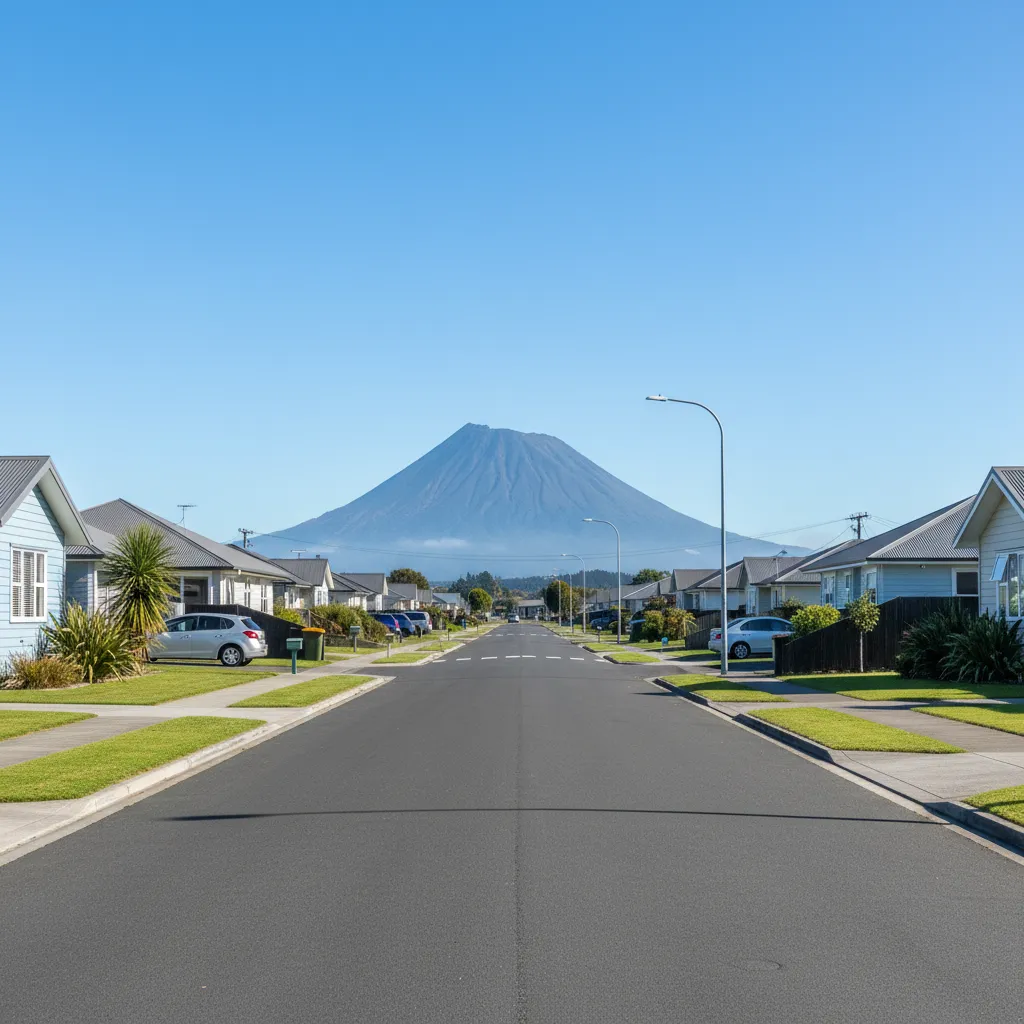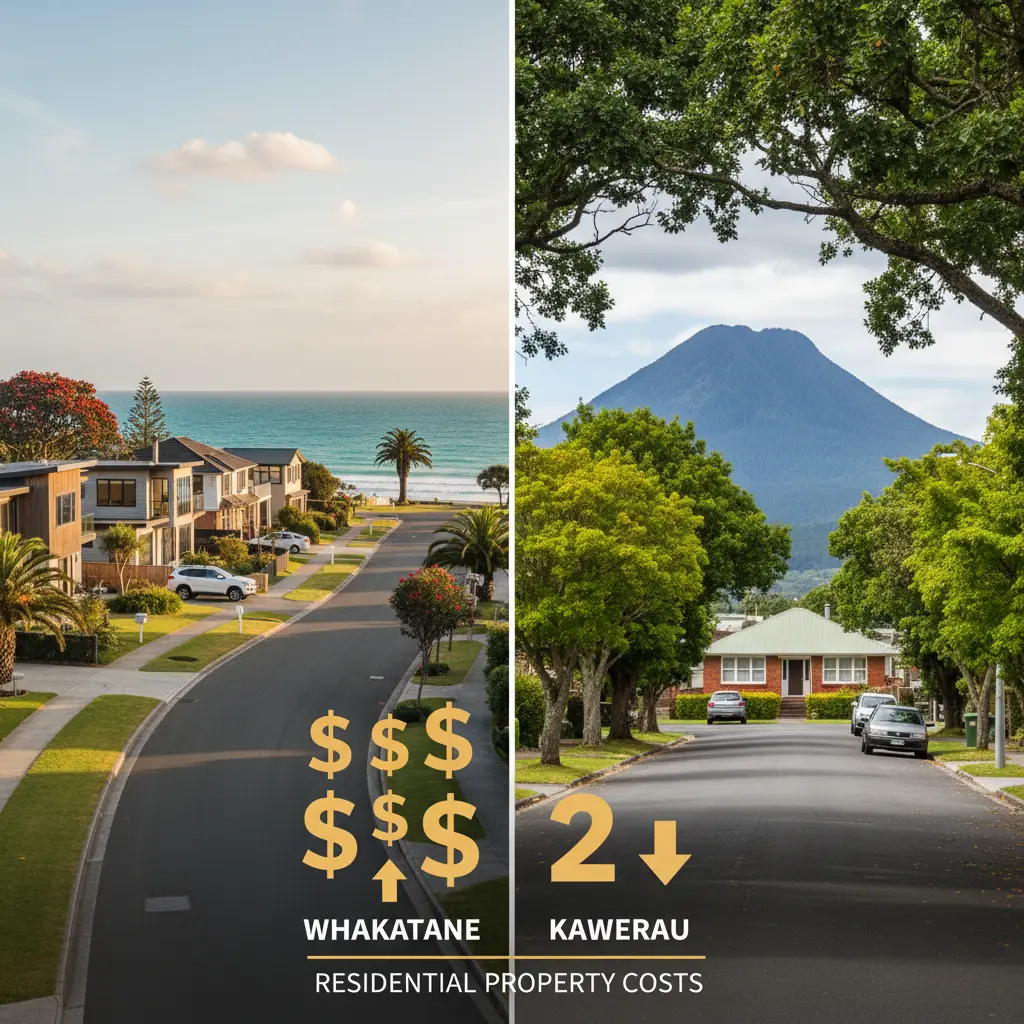
The Kawerau property market offers investors exceptional potential through high rental yields and a low entry price point, supported by significant regional industrial growth. This guide details the critical factors for success, including the geothermal economic boom, tenant demographics, property management best practices, and tax implications for New Zealand investors seeking positive cash flow.
Market Overview: Why Invest in Kawerau Now?
Kawerau, situated in the heart of the Bay of Plenty, has transitioned from a single-industry mill town into a diverse industrial and lifestyle hub. For property investors, this evolution presents a unique window of opportunity. Unlike the saturated markets of Auckland or Tauranga, Kawerau offers an accessible entry point without sacrificing return on investment (ROI). The region is undergoing a renaissance driven by the “Kawerau Industrial Symbiosis Project” (KISP) and a shift towards sustainable geothermal energy, which is attracting new businesses and, consequently, a growing workforce needing accommodation.
The narrative of Kawerau is changing, as regularly documented in Local News & Community Notices Kawerau. While historically viewed through the lens of its timber industry roots, the modern Kawerau is defined by regional connectivity. It serves as a strategic pivot point between Whakatāne, Rotorua, and the Port of Tauranga. This logistical advantage underpins the long-term capital growth potential of the area, making it more than just a cash-flow play; it is a strategic hold for the astute investor.

Rental Yield Analysis for Kawerau
What makes Kawerau yields superior to national averages?
Kawerau consistently outperforms the national average when it comes to gross rental yields. While major metropolitan centers in New Zealand often see yields hovering between 2% and 4%, Kawerau properties frequently offer gross yields between 5% and 7%, with some multi-income properties reaching even higher figures. This disparity is primarily driven by the denominator in the equation: the purchase price.
Because property values in Kawerau remain significantly lower than the national median, investors can acquire freehold, standalone homes on generous sections for a fraction of the cost of a unit in larger cities. However, market rents have risen steadily due to the housing shortage in the wider Bay of Plenty region. This combination of low capital outlay and rising rental income creates a powerful engine for positive cash flow.
Analyzing the Numbers: Cash Flow vs. Capital Growth
When downloading any property investment guide, the financial modeling is paramount. In Kawerau, the strategy leans heavily toward positive gearing. This means the rental income often covers the mortgage, rates, insurance, and maintenance, leaving a surplus. This is critical in a high-interest-rate environment where negative gearing becomes a significant financial burden.
Howbeit, investors must also factor in operating costs which can be proportionally higher relative to rent than in high-value areas. For example, the cost to replace a hot water cylinder is the same in Kawerau as it is in Remuera, but it represents a larger percentage of the annual rental income. Therefore, a robust yield analysis must account for:
- Maintenance Reserves: Allocating 10-12% of gross rent for older timber housing stock.
- Insurance Premiums: Checking specific requirements for the Bay of Plenty region.
- Vacancy Rates: Currently low, but essential to model for conservative estimates.
Tenant Demand and Industrial Growth
How does the industrial sector drive housing demand?
The stability of any rental market relies on the employment stability of its tenants. Kawerau’s tenant base is evolving alongside its industrial landscape. The town is home to the world’s largest application of geothermal energy for industrial use. This green energy advantage has attracted significant players beyond the traditional forestry sector, including dairy processing, engineering, and logistics firms.
The Putauaki Trust Industrial Hub is a prime example of this expansion. As new factories and processing plants come online, they bring a requirement for skilled labor. These workers require quality housing. Consequently, there is a “flight to quality” within the rental market. Tenants are increasingly willing to pay a premium for renovated, warm, and healthy homes (meeting Healthy Homes Standards) that allow them to live close to their workplace.
The Lifestyle Factor
Beyond industry, the “Lifestyle Hub” aspect of the market niche is gaining traction. With the rising cost of living in Whakatāne and Tauranga, families are looking inland. Kawerau offers a high quality of life with free hot pools, Kawerau Essential Services & Amenities, access to the Tarawera River for kayaking and fishing, and proximity to lakes. This regional appeal is further enhanced by adventure opportunities such as the Kawerau Mountain Bike Trails: A Beginner’s Guide. This demographic shift brings families looking for long-term tenure, reducing tenant turnover for investors.
Property Management Services & Strategy
Why is local property management critical in Kawerau?
Managing a property in Kawerau requires specific local knowledge and a hands-on approach. While the yields are attractive, the socio-economic demographic is diverse. Professional property management is not merely a convenience; it is a risk mitigation strategy. A localized property manager understands the nuances of different streets and neighborhoods within the town, which can vary significantly in desirability.
Effective management services in the region focus on:
- Rigorous Vetting: Utilizing comprehensive credit checks, tenancy tribunal history, and reference checks to ensure reliable tenants.
- Zero Tolerance on Arrears: Implementing strict systems to manage rent collection, vital for maintaining cash flow.
- Regular Inspections: Conducting quarterly inspections to monitor the condition of the property, particularly important for older housing stock that may require preventative maintenance.
Self-Management vs. Professional Agency
For the remote investor, self-management is generally discouraged in this market. The savings in management fees are often eclipsed by the cost of travel, lost time, or potential tribunal issues arising from a lack of regulatory knowledge. Professional agencies in the Eastern Bay of Plenty have established relationships with reliable tradespeople—a scarce resource in regional NZ—ensuring that maintenance issues are resolved quickly and cost-effectively.
Tax Considerations for NZ Investors
How do recent tax changes affect Kawerau investments?
Navigating the tax landscape is essential for maximizing the profitability of your Kawerau portfolio. The New Zealand Government’s policies regarding interest deductibility and the Bright-line test have a direct impact on your bottom line. Investors must stay current with these regulations to avoid unexpected liabilities.
Interest Deductibility: The phased restoration of interest deductibility for residential investment property is a significant win for investors. This change allows landlords to claim a portion of their mortgage interest as an expense against their rental income, effectively reducing their taxable profit. For high-yield markets like Kawerau, where mortgage interest can be a substantial portion of expenses, this reinstatement materially improves net cash flow.
The Bright-line Property Rule: Understanding the current Bright-line test timelines is crucial if you plan to sell. This rule determines whether capital gains tax applies to the sale of the property based on the length of ownership. For investors looking at Kawerau as a long-term hold for retirement income, this is less of an immediate concern, but it remains a critical factor for those employing a “buy, renovate, sell” (flip) strategy.
Depreciation and Chattels
Investors should not overlook the value of a chattels valuation. In older Kawerau homes, renovations often involve installing new heat pumps, carpets, and curtains to meet Healthy Homes Standards. These items can be depreciated individually, providing further tax benefits. Engaging a quantity surveyor to produce a depreciation schedule is a recommended step upon purchase.

Due Diligence Checklist
Before executing any transaction, a thorough due diligence process is required. The Kawerau market has specific characteristics that differ from new-build subdivisions.
- Building Inspection: Many homes were built in the 1950s-70s. Check for piling issues, original wiring, and plumbing integrity.
- Methamphetamine Testing: While less common than media suggests, it is a standard precaution in the region to ensure the property is uncontaminated and insurable.
- Healthy Homes Compliance: Verify the status of insulation, heating, ventilation, and drainage. The cost to upgrade can be factored into your offer price.
- Title Search: Check for any easements or covenants, particularly regarding cross-lease titles which are present in the area.
- Insurance Availability: Confirm you can secure full replacement insurance. Some insurers have stricter criteria for older regional properties.
How to Access the Full Guide
This article provides a high-level overview, but successful investment requires granular data. Our comprehensive Kawerau Property Investors Guide (PDF) is available for download and includes:
- Detailed suburb-by-suburb yield heat maps.
- Historical capital growth charts over the last decade.
- Case studies of recent renovations with ROI breakdowns.
- Contact lists for trusted local property managers and tradespeople.
To receive the full transactional guide and receive alerts on off-market opportunities, please complete the request form below or contact our specialist investment team directly. Furthermore, for those considering lifestyle changes alongside investment, understanding the Relocation & Digital Nomad Lifestyle available locally can add context to long-term tenancy prospects. If you are traveling to assess properties, be sure to review the Public Transport to Kawerau: Regional Guide and for local conveniences, check out the Kawerau Takeaways: Menus and Ordering Guide.
Is Kawerau a safe place to invest in property?
Yes, Kawerau is considered a safe investment location when proper due diligence is applied. Like any town, it has preferred neighborhoods. The strong industrial growth and community revitalization efforts have significantly improved the town’s profile, and high tenant demand provides security of income.
What is the average rental yield in Kawerau?
Average gross rental yields in Kawerau typically range between 5% and 7%. This is higher than the national average, making it an attractive location for cash-flow-focused investors.
Are property prices in Kawerau expected to rise?
While past performance is not a guarantee of future results, the economic fundamentals of Kawerau—specifically the expansion of the geothermal and industrial sectors—suggest continued upward pressure on property values over the long term.
Do I need a property manager for Kawerau rentals?
It is highly recommended. A local property manager helps mitigate risks associated with tenant selection, ensures compliance with continuously changing tenancy laws, and handles maintenance using trusted local tradespeople.
What are the main risks of investing in Kawerau?
The main risks include older housing stock requiring higher maintenance, potential fluctuations in the local industrial employment market, and socio-economic challenges in certain pockets of the community. These can be mitigated through professional management and thorough building inspections.
How do Healthy Homes Standards affect Kawerau investments?
Most Kawerau housing stock is older and may require upgrades to insulation, heating, and ventilation to meet Healthy Homes Standards. Investors should budget for these upgrades (approx. $3,000 – $8,000) when calculating their initial investment costs.