Ngāti Tuwharetoa ki Kawerau is a distinct Māori iwi located in the Eastern Bay of Plenty, sharing common ancestry with the Taupō iwi through the eponymous ancestor Tūwharetoa. Their history is defined by the migration of Tūwharetoa’s sons to the Kawerau district, their enduring kaitiakitanga (guardianship) over Mount Putauaki, and their resilience against historical land alienation to establish a thriving modern governance entity following their 2005 Treaty settlement.
The story of Ngāti Tuwharetoa ki Kawerau is one of endurance, spiritual connection to the land, and a powerful resurgence in the modern era. While often associated with their relatives in the Taupō region, the Kawerau branch possesses a unique identity forged by the geothermal landscapes of the Bay of Plenty and a distinct historical narrative involving early migration, colonial challenges, and industrial integration.
Where did Ngāti Tuwharetoa ki Kawerau originate?
To understand the history of Ngāti Tuwharetoa ki Kawerau, one must look back to the great voyaging traditions and the eponymous ancestor, Tūwharetoa i te Aupouri. He was a chief of immense mana who lived near the present-day town of Kawerau before moving inland to the Taupō region. While the main body of the tribe is famously associated with Lake Taupō, a significant contingent remained in or returned to the Bay of Plenty, specifically the Kawerau district.
The iwi traces its lineage directly from the Te Arawa waka (canoe), which made landfall at Maketū. The connection to the land is not merely historical but genealogical. The people are the land, and the land is the people. This whakataukī (proverb) underpins their identity, anchoring them to the rich, geothermal soils of the region long before European arrival.
How did the migration to Kawerau occur?
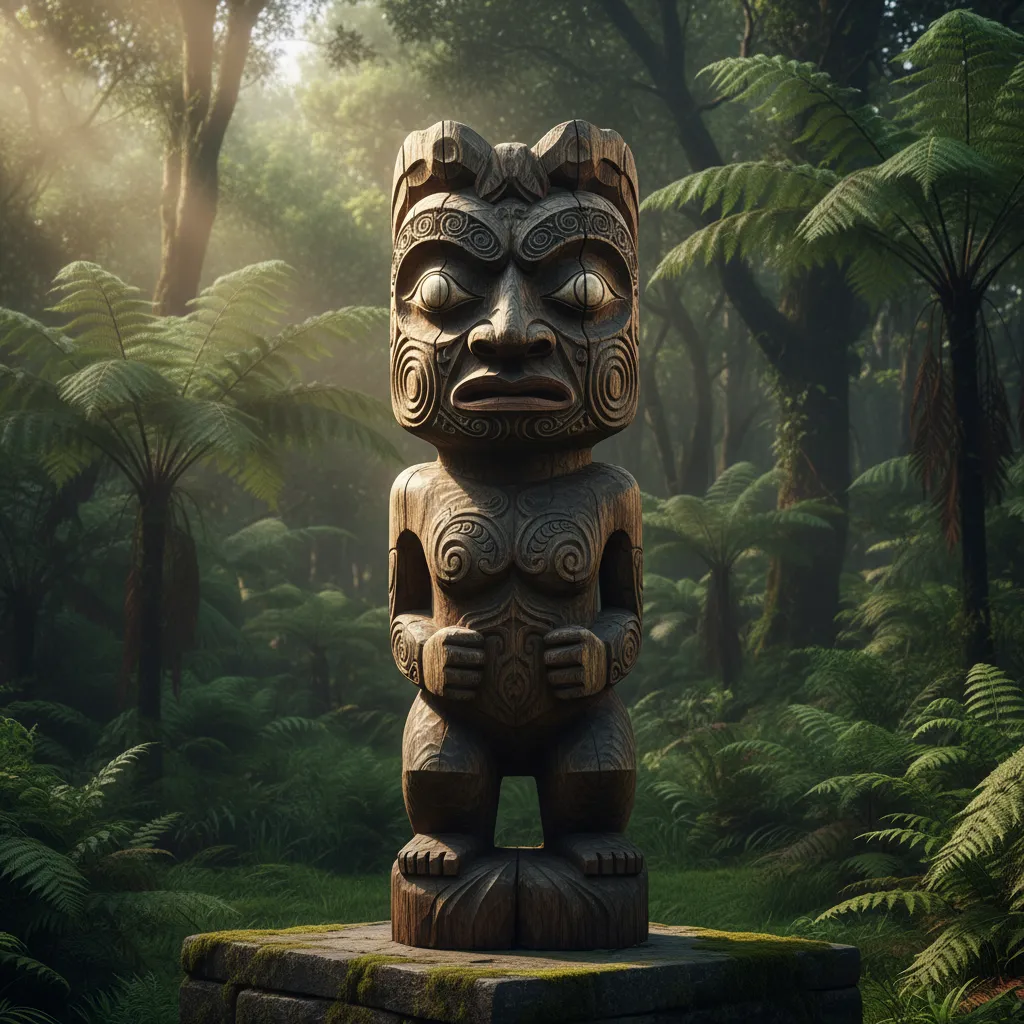
The establishment of Ngāti Tuwharetoa in the Kawerau region is largely attributed to the sons of Tūwharetoa. While Tūwharetoa himself eventually settled in the Taupō region, his sons, particularly Manaia, Tūwharetoa-a-Turiroa, and others, maintained or re-established a stronghold in the Bay of Plenty. This migration was not a single event but a gradual consolidation of mana over the territory.
These ancestors recognized the strategic value of the area. The region offered fertile soils, abundant bird life, and access to the Tarawera River. Furthermore, the geothermal resources provided warmth, cooking facilities, and therapeutic benefits, making it a highly desirable location for settlement. Over generations, intermarriage with other local hapū and strategic alliances solidified their status as the tangata whenua (people of the land) of Kawerau.
What is the significance of Mount Putauaki?
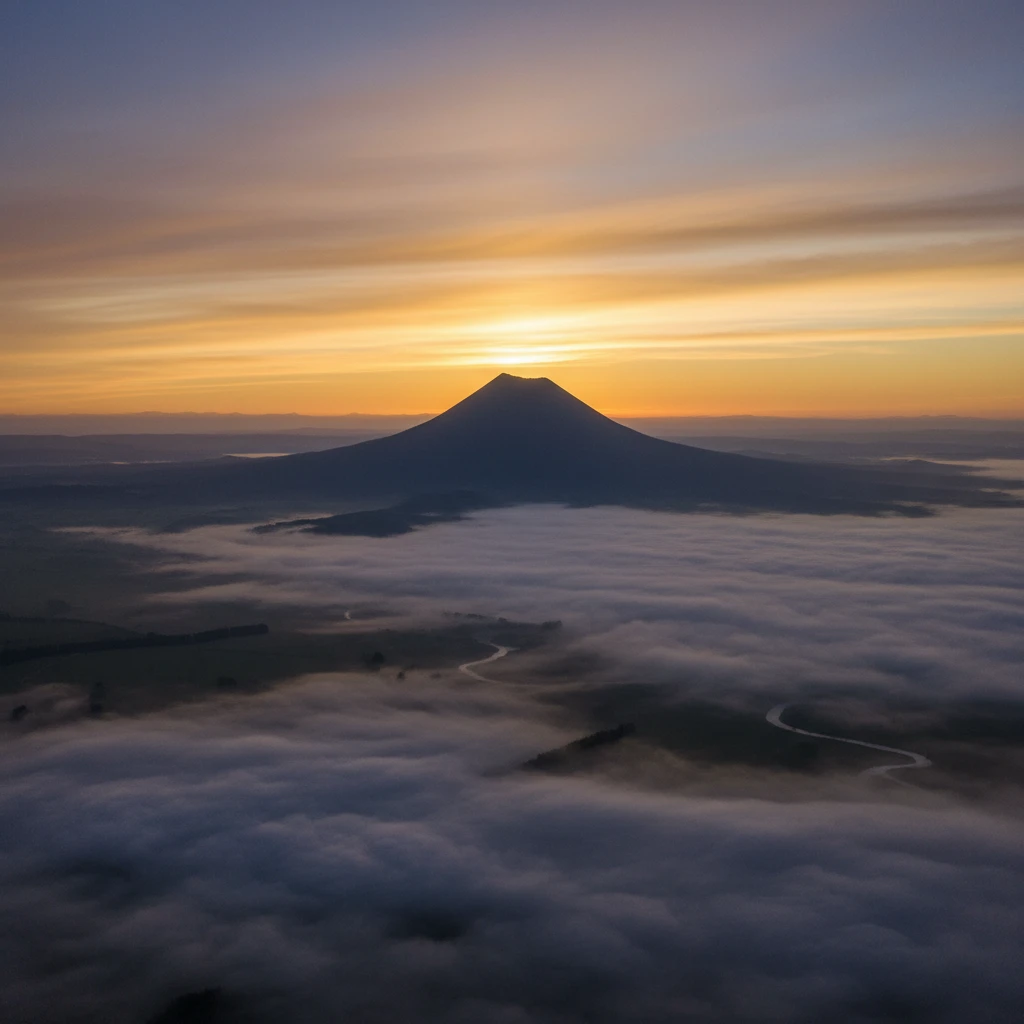
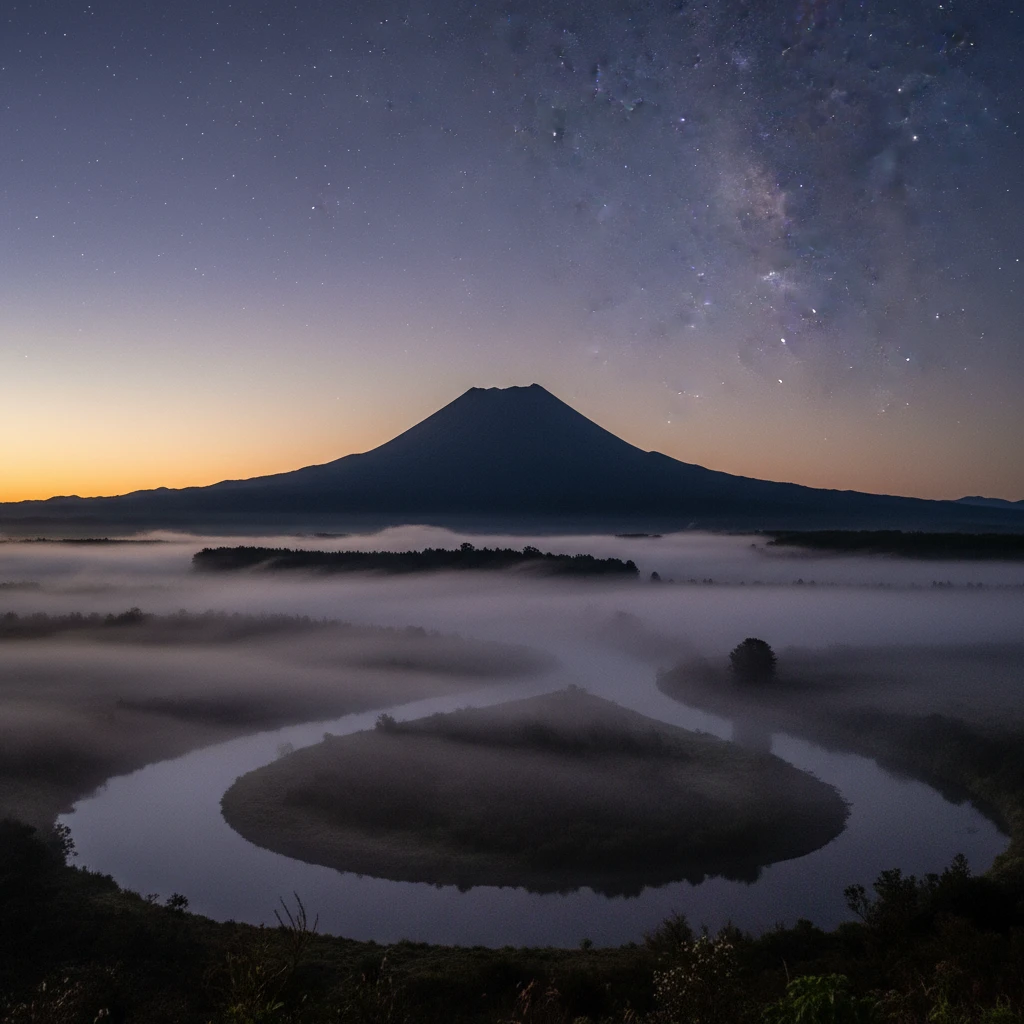
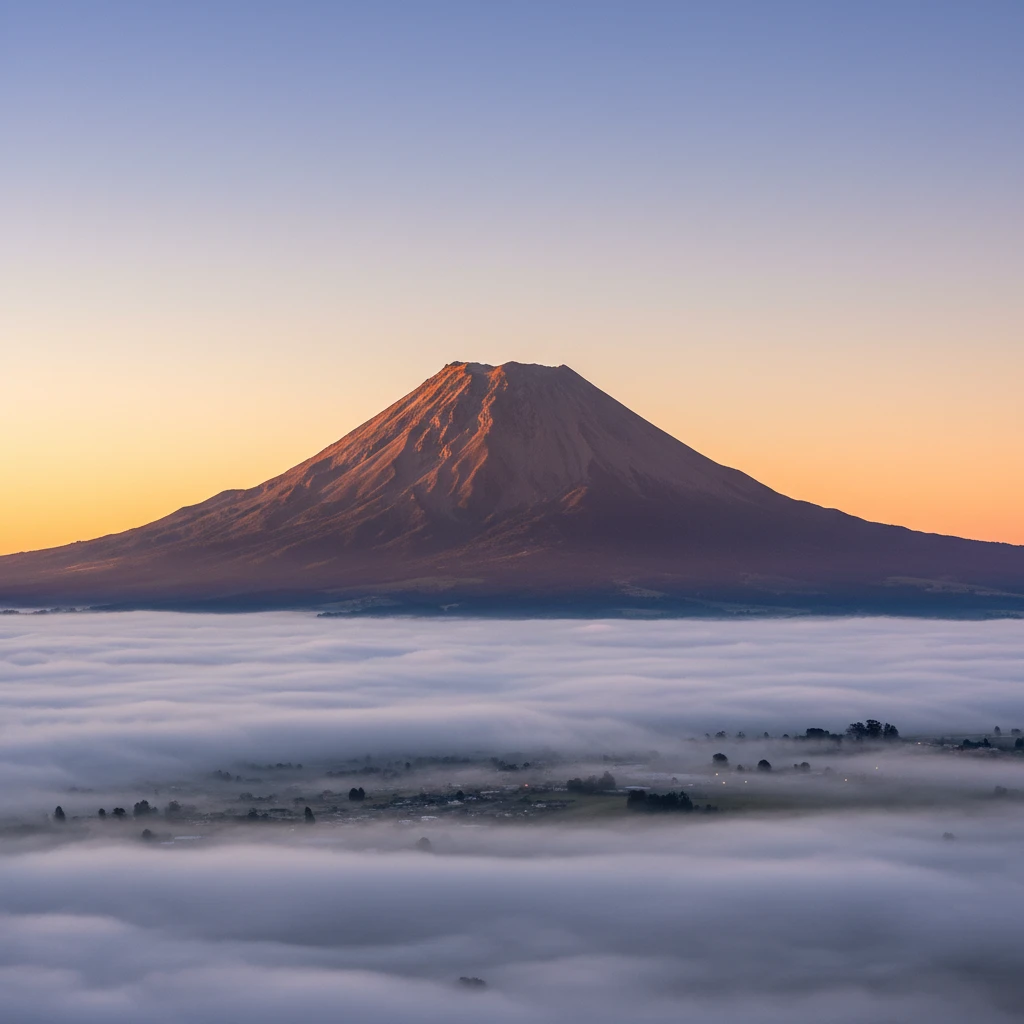
Mount Putauaki (Mt Edgecumbe) stands as the spiritual and geographical heart of Ngāti Tuwharetoa ki Kawerau. It is more than a mountain; it is an ancestor. In Māori cosmology, mountains are often viewed as living entities with personalities and histories.
Putauaki is the mauri (life force) of the iwi. Historically, the mountain served as a burial ground for high-ranking chiefs, making the slopes tapu (sacred). Control over the mountain symbolized control over the region. The iwi’s claim to the mountain was formally recognized in the 19th century, though subsequent land laws challenged this ownership. Today, the return of Putauaki to the iwi remains a pivotal moment in their modern history, symbolizing the restoration of their mana.
Land Ownership and Historical Challenges
Like many Māori tribes, Ngāti Tuwharetoa ki Kawerau faced severe challenges following European colonization. The introduction of the Native Land Court in the 19th century fundamentally altered land tenure, shifting ownership from communal title to individual titles, which facilitated the alienation of land.
The Impact of the Tasman Pulp and Paper Mill
In the mid-20th century, the landscape of Kawerau was transformed by the establishment of the Tasman Pulp and Paper Mill. While the mill brought economic development and jobs to the region, it also came at a significant cost to the iwi. Large tracts of ancestral land were taken under the Public Works Act to build the mill and the township of Kawerau.
This industrialization had profound environmental and cultural impacts:
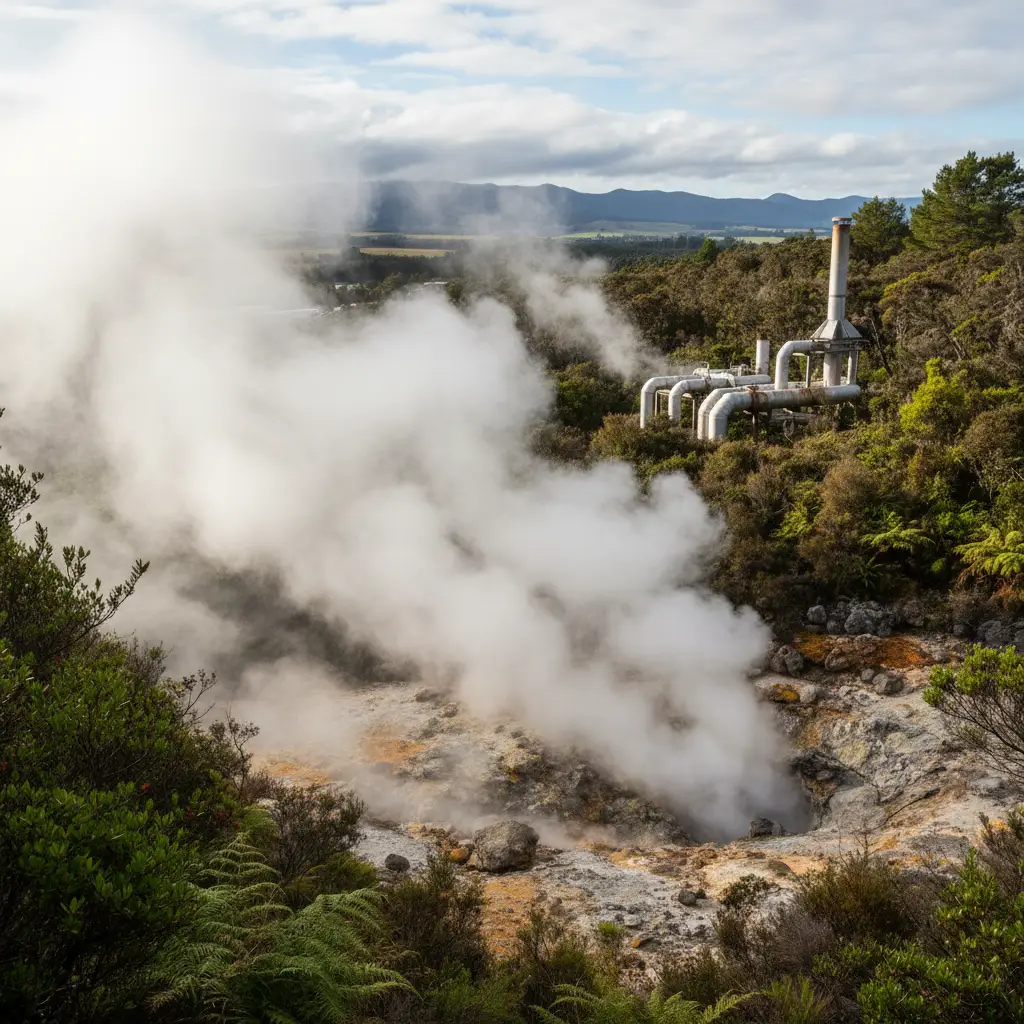
- Geothermal Resources: The mill relied heavily on geothermal steam. For the iwi, these geothermal features were taonga (treasures) used for centuries. The industrial extraction often degraded these natural features.
- River Pollution: The Tarawera River, once a food basket for the tribe, suffered from industrial discharge, affecting the mana of the river and the health of the community.
- Displacement: Families were displaced from their papakāinga (original home bases) to make way for the new planned town, disrupting traditional social structures.
The Road to the 2005 Treaty Settlement
The grievances of Ngāti Tuwharetoa ki Kawerau were heard by the Waitangi Tribunal, leading to a historic settlement. The Ngāti Tuwharetoa (Bay of Plenty) Claims Settlement Act 2005 was a watershed moment. It included a formal apology from the Crown for historical breaches of the Treaty of Waitangi.
Key components of the settlement included:
- Financial Redress: A quantum of approximately $10.5 million.
- Cultural Redress: The return of significant sites, including the title to Mount Putauaki, ensuring the iwi regained guardianship over their sacred mountain.
- Geothermal Assets: Recognition of their interests in the geothermal resources, allowing the iwi to become key players in the local energy sector.
This settlement provided the economic base for the iwi to rebuild and invest in their future, transitioning from a period of grievance to one of development.
Modern Day Governance and Vision
Today, the affairs of the iwi are managed by the Tūwharetoa Settlement Trust. Their governance structure is designed to protect the assets of the tribe while fostering social and cultural growth. The vision is holistic, focusing not just on wealth creation but on the wellbeing of the people.
Economic Development and Geothermal Energy
Ngāti Tuwharetoa ki Kawerau has leveraged their settlement to become a powerhouse in the geothermal energy sector. By partnering with industry leaders, they have developed geothermal power plants that generate clean energy. This not only generates revenue for the tribe but also aligns with their kaitiakitanga values by promoting sustainable energy.
The iwi is also heavily involved in forestry and agribusiness, diversifying their portfolio to ensure long-term stability for future generations. Relocation & Digital Nomad Lifestyle discussions often touch upon the infrastructure development supported by these key iwi economic ventures.

The Future of the Iwi
The future for Ngāti Tuwharetoa ki Kawerau is focused on *Hauora* (health) and education. The iwi runs significant health and social services in the Kawerau region, providing support not just to their own members but to the wider community. Education grants and scholarships are a priority, ensuring that young members have the skills to lead the tribe in the coming decades.
Cultural revitalization is also paramount. Efforts to revive te reo Māori (the Māori language) and traditional arts are visible in the community. The annual celebrations and wananga (learning forums) held at the marae reinforce the connections between the people, their ancestors, and their land. For those interested in local infrastructure, information regarding Kawerau Library: Free Wi-Fi & Services often reflects community investment.
As Kawerau evolves from a mill town into a diverse regional hub, Ngāti Tuwharetoa ki Kawerau stands at the center, driving growth while preserving the heritage that defines them. Even day-to-day needs, such as locating Petrol Stations in Kawerau: Hours & Fuel Types, are integrated into the overall community planning supported by the stable economic environment.
What is the difference between Ngāti Tuwharetoa ki Kawerau and Ngāti Tuwharetoa (Taupō)?
While they share the same eponymous ancestor, Tūwharetoa, they are distinct political entities. Ngāti Tuwharetoa ki Kawerau is based in the Bay of Plenty and has its own separate Treaty of Waitangi settlement, governance structures, and specific history related to the Kawerau and Matatā regions, whereas the Taupō iwi is centered around Lake Taupō.
When was the Ngāti Tuwharetoa ki Kawerau settlement signed?
The Deed of Settlement was signed on June 6, 2003, and the legislation giving effect to the settlement, the Ngāti Tuwharetoa (Bay of Plenty) Claims Settlement Act, was passed in 2005.
What are the main marae of Ngāti Tuwharetoa ki Kawerau?
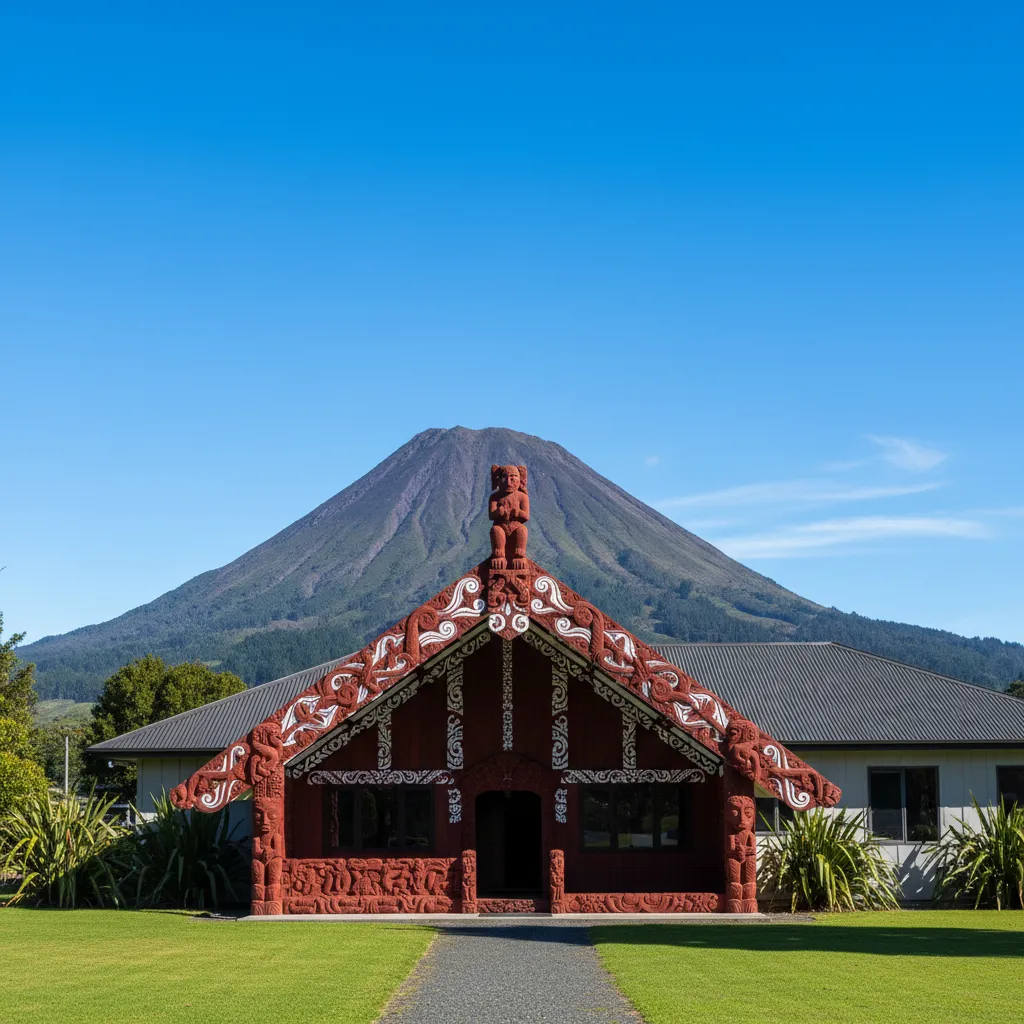
The primary marae associated with the iwi include Hahuru Marae (Onepu), where the wharenui is named Rangi-i-aho, and other significant sites around the Kawerau district that serve as focal points for community gatherings and tangihanga.
How is the iwi involved in the geothermal industry?
Following their Treaty settlement, the iwi invested heavily in geothermal assets. They are partners in major geothermal power projects in the Kawerau field, supplying steam for industrial use and generating electricity, positioning them as leaders in renewable energy.
Who is Tūwharetoa i te Aupouri?
Tūwharetoa i te Aupouri is the founding ancestor of the tribe. He was a high-ranking chief known for his mana and leadership. His descendants spread from the Bay of Plenty to the central plateau, forming the two major branches of the Tuwharetoa people.
What role does the Tūwharetoa Settlement Trust play?
The Tūwharetoa Settlement Trust is the post-settlement governance entity responsible for managing the iwi’s assets, distributing benefits to beneficiaries, and overseeing the strategic direction of the tribe’s health, education, and cultural initiatives.