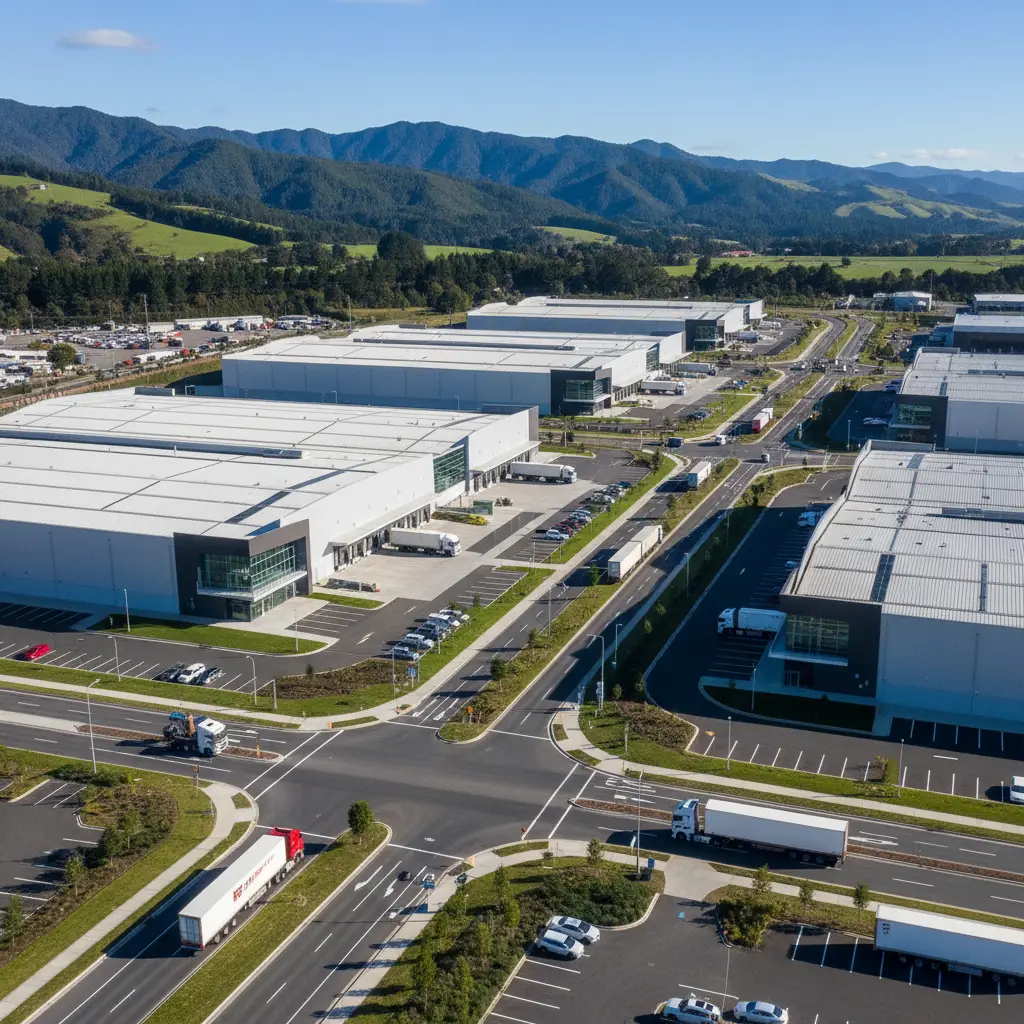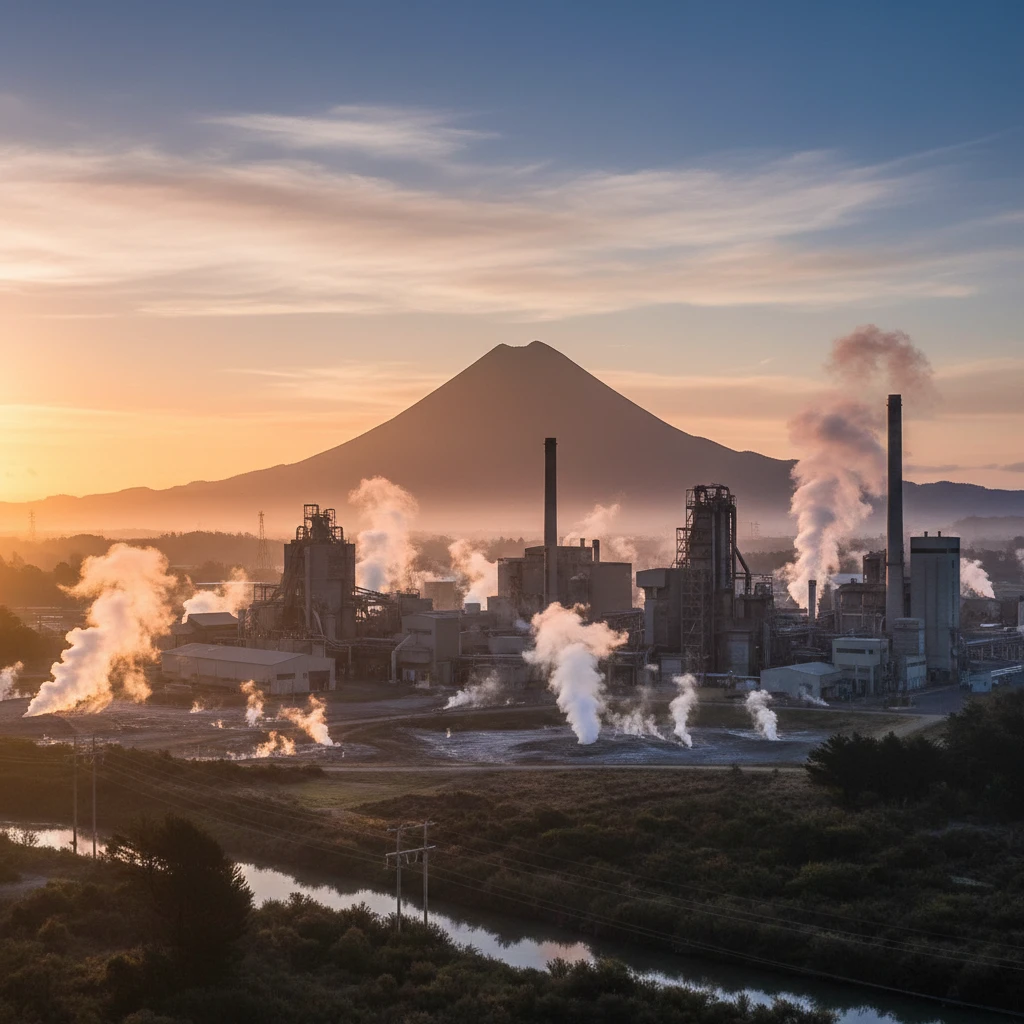
The geothermal energy Kawerau industry sector represents the world’s largest direct use of geothermal heat for industrial processes. Located in New Zealand’s Bay of Plenty, this renewable resource powers massive pulp, paper, and timber operations, significantly reducing carbon emissions while providing a low-cost, stable baseload energy source that drives regional economic growth.
Kawerau is not merely a town built on industry; it is a settlement founded upon the earth’s own power. Situated within the Taupō Volcanic Zone, the Kawerau Geothermal Field serves as the backbone of the local economy and stands as a global case study in sustainable industrial symbiosis. For investors, engineers, and environmentalists alike, understanding the integration of geothermal energy into the Kawerau industry offers a blueprint for the future of low-carbon manufacturing.
The World’s Largest Industrial Geothermal Use
When discussing the geothermal energy Kawerau industry, we are referring to a scale of operation that is virtually unrivaled globally. While many geothermal fields are utilized primarily for electricity generation, Kawerau is unique in its massive application of direct geothermal steam for process heat. This distinction is crucial for heavy industries that require immense thermal energy for drying, digesting, and processing raw materials.
The Scale of the Resource
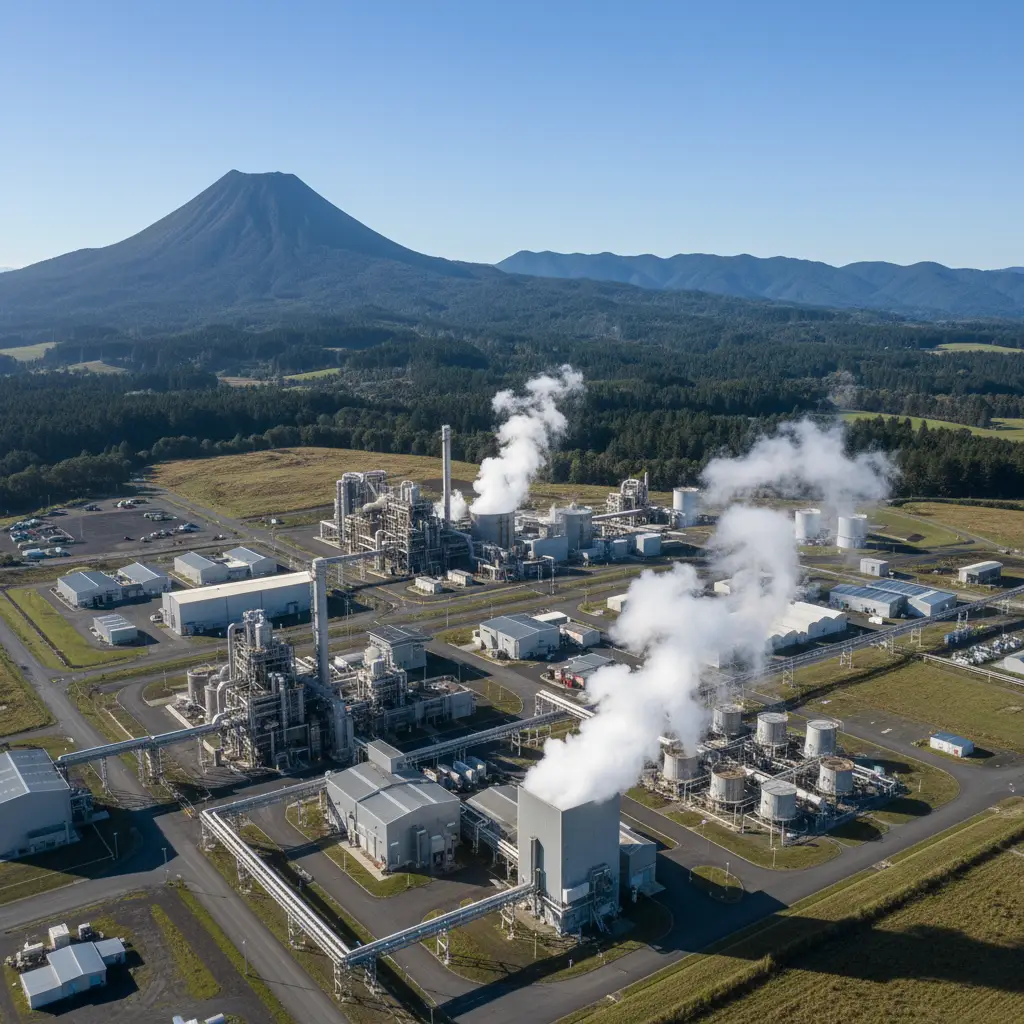
The Kawerau Geothermal Field is one of New Zealand’s most prolific energy sources. The reservoir temperatures exceed 280°C (536°F) in the deep sector, providing high-enthalpy fluid ideal for both electricity generation and direct heat application. Currently, the field supports the largest industrial geothermal heat load in the world.
The primary extractor and supplier, Ngāti Tūwharetoa Geothermal Assets (NTGA), manages a significant portion of this steam supply. This partnership between indigenous land owners and industrial giants is a defining feature of the region. The steam is piped directly from the wellheads to the factory floors of major multinational companies, including:
- Oji Fibre Solutions: Utilizes steam for the Tasman pulp mill operations.
- Essity: A global hygiene and health company that uses geothermal steam for tissue drying.
- Sequal Lumber: Leverages heat for timber drying kilns.
Why Direct Heat Matters
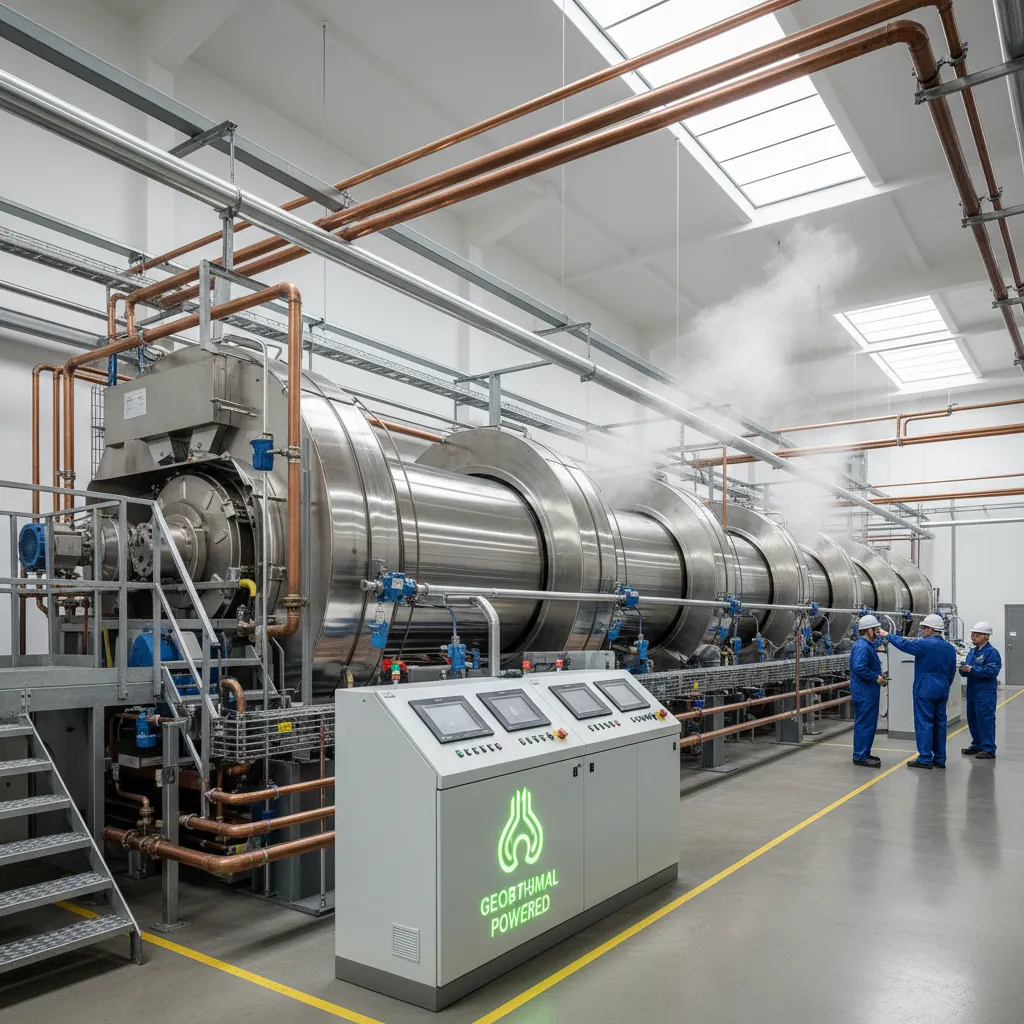
In most power grids, geothermal energy is converted into electricity (electrons) and then transmitted. However, converting heat to electricity and then back to heat (for industrial drying) results in significant efficiency losses. The geothermal energy Kawerau industry model bypasses these losses by using the steam directly. This results in efficiency rates that far surpass standard geothermal power plants, making Kawerau an attractive destination for energy-intensive industries seeking to decarbonize.
Benefits for the Pulp and Paper Sector
The pulp and paper industry is notoriously energy-intensive. It requires massive amounts of heat to cook wood chips into pulp and to dry the resulting paper products. Historically, this energy was generated by burning coal or natural gas. The shift toward geothermal energy in Kawerau has revolutionized this sector.
Decarbonization and Emissions Reduction
The most immediate benefit is the dramatic reduction in carbon footprint. By replacing fossil fuel boilers with geothermal steam, industries in Kawerau have slashed their greenhouse gas emissions. For example, recent upgrades at the Essity site, moving fully to geothermal steam for paper drying, resulted in a reduction of carbon emissions by tens of thousands of tonnes annually. This aligns with global corporate sustainability goals and New Zealand’s commitment to a zero-carbon future.
Cost Stability and Energy Security
Fossil fuel markets are volatile. The price of natural gas and coal fluctuates based on geopolitical tensions and supply chain disruptions. In contrast, the cost of geothermal steam in Kawerau is relatively stable and predictable over long-term contracts. This provides the geothermal energy Kawerau industry partners with a competitive advantage—operational cost certainty.
Furthermore, the reliability of the Kawerau field provides “baseload” energy. Unlike wind or solar, which are intermittent, geothermal energy flows 24/7. For a pulp mill that operates continuously, this reliability is non-negotiable. The ability to run production lines without interruption due to energy shortages ensures high output and profitability.
Industrial Symbiosis and Regional Growth
The success of the Kawerau model relies on the concept of “Industrial Symbiosis.” This refers to the physical proximity of industries that can share resources, infrastructure, and energy to mutual advantage. The Putauaki Trust and other local stakeholders have actively fostered an environment where the waste heat from one process can potentially fuel another.
The Role of Indigenous Ownership
A critical component of the geothermal energy Kawerau industry is the leadership of local Iwi (Māori tribes). Ngāti Tūwharetoa (Bay of Plenty) Settlement Trust holds significant assets and rights regarding the geothermal field. Their stewardship ensures that the resource is managed sustainably for future generations (kaitiakitanga) while simultaneously driving economic prosperity for their people.
This ownership model attracts international investment because it provides a “social license to operate.” Companies setting up in Kawerau know they are partnering with a community deeply invested in the longevity of the resource and the industry.
Diversification Beyond Pulp and Paper
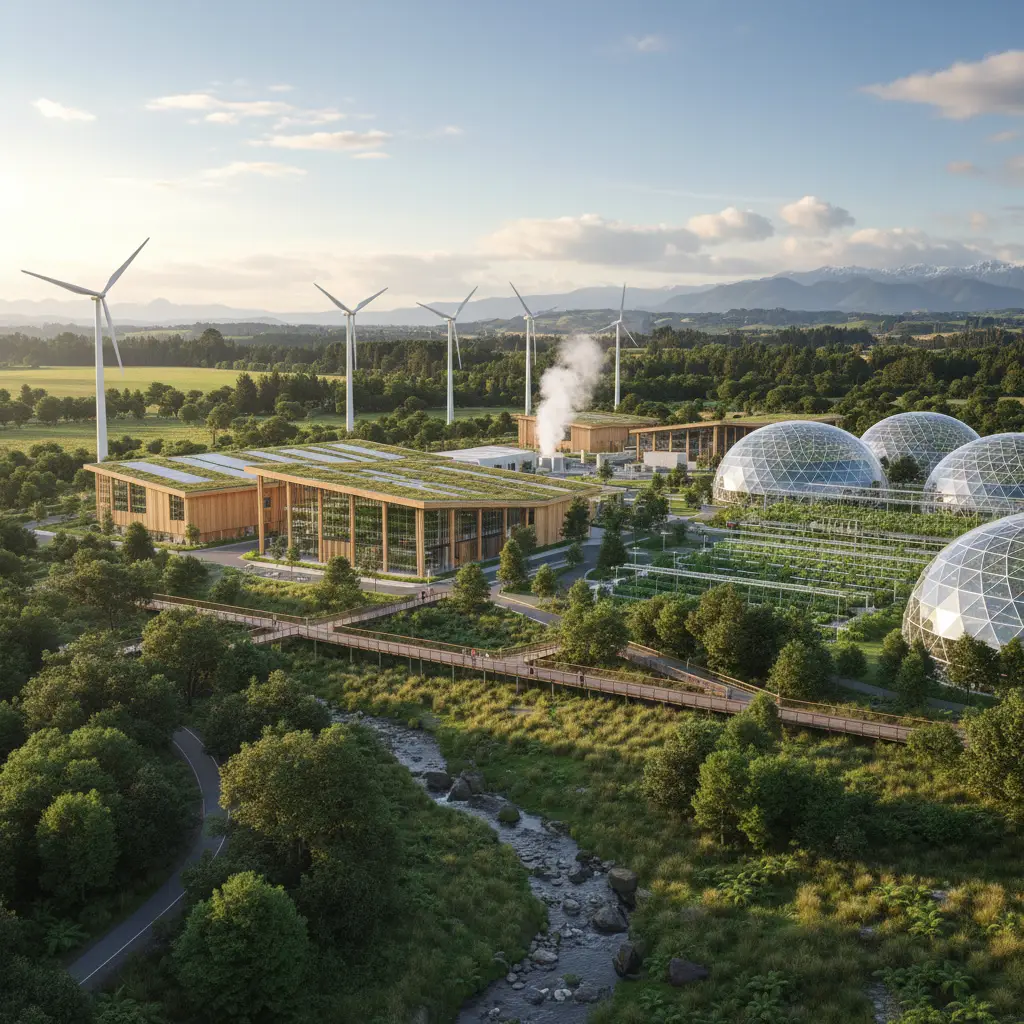
While pulp and paper remain the anchors, the low-cost heat is attracting new players. The Putauaki Trust Industrial Hub is expanding to include:
- Timber Processing: Enhanced drying capabilities for export-quality lumber.
- Dairy Processing: Milk drying requires significant heat, making Kawerau a logical location for dairy plants.
- Horticulture: Lower-temperature geothermal fluids (brine) can be used to heat glasshouses, enabling year-round cultivation of crops that typically wouldn’t survive the local climate.
Future Green Energy Projects in Kawerau
The evolution of the geothermal energy Kawerau industry is far from complete. As technology advances, new methods of extracting value from the geothermal fluid are being explored, promising to turn Kawerau into a futuristic hub of green innovation.
Green Hydrogen Production
One of the most exciting prospects is the production of green hydrogen. By utilizing the electrical output from geothermal power stations (like the 100MW station operated by Mercury) to power electrolyzers, Kawerau could produce hydrogen fuel with zero carbon emissions. This hydrogen could fuel heavy transport fleets across the North Island or be exported.
Mineral Extraction (Silica and Lithium)
Geothermal fluid is rich in dissolved minerals. Historically, these minerals were a nuisance, causing scaling in pipes. However, new technologies allow for the extraction of valuable silica and potentially lithium from the brine before it is reinjected into the ground. This creates a secondary revenue stream and transforms a waste product into a valuable commodity for the battery and manufacturing sectors.
Cascading Heat Use
Efficiency is the watchword for future projects. The concept of “cascading use” involves using high-pressure steam for heavy industry (like pulp mills), then using the lower-pressure steam for timber drying, and finally using the remaining warm water for aquaculture or greenhouse heating. This ensures that every joule of energy extracted from the earth is utilized before the fluid is returned to the reservoir.
Environmental Impact Assessments and Sustainability
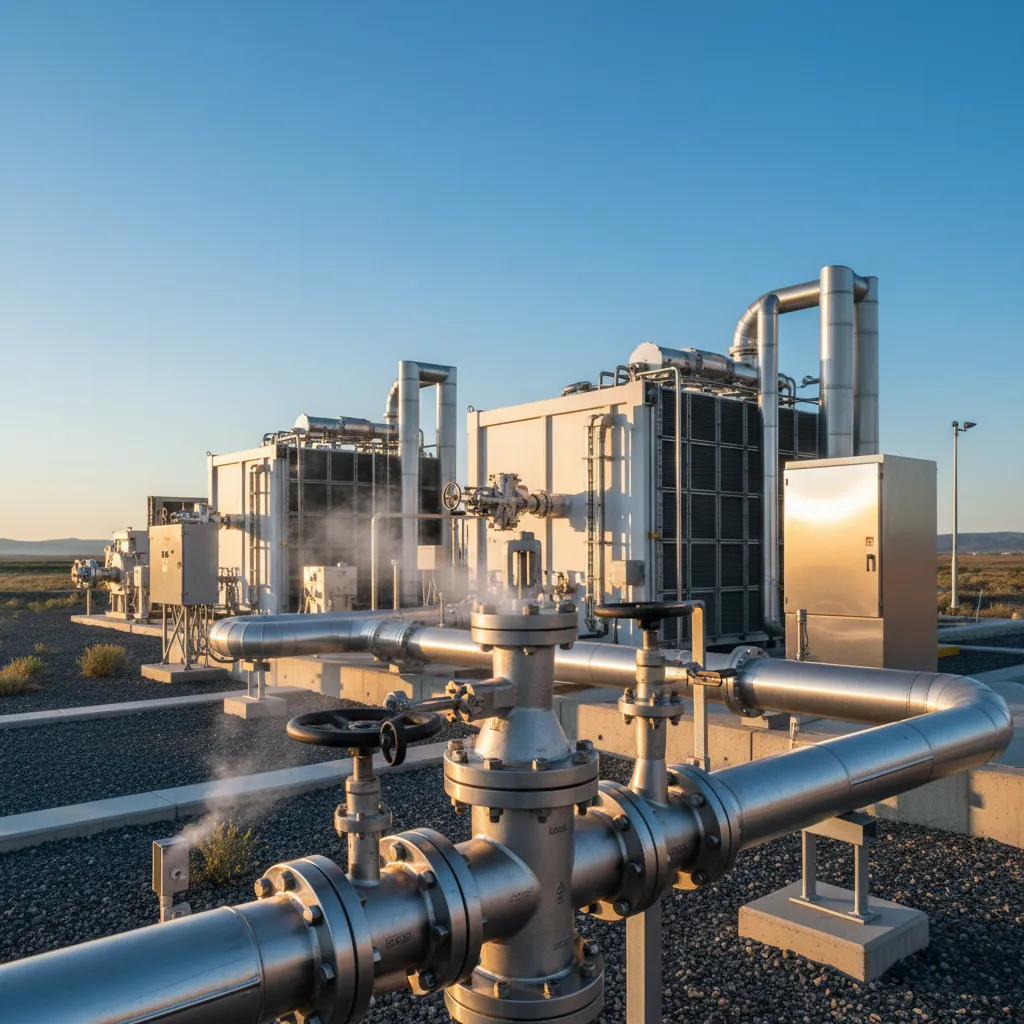
Despite the green credentials of geothermal energy, massive industrial extraction requires rigorous environmental management. The sustainability of the geothermal energy Kawerau industry depends on maintaining the pressure and heat of the underground reservoir and minimizing surface impacts.
Reinjection Strategies
To prevent the depletion of the geothermal field and to avoid land subsidence (sinking), the separated geothermal water (brine) must be returned to the reservoir. Sophisticated reinjection strategies are employed in Kawerau. Deep injection wells return the fluid to the periphery of the field, maintaining pressure support for the production wells without cooling them down. This circular system is vital for the field’s longevity.
Air Quality and Hydrogen Sulfide
Geothermal steam naturally contains non-condensable gases, including hydrogen sulfide (H2S), which has a distinctive “rotten egg” smell. While naturally occurring in the region, industrial concentration requires management. Modern environmental impact assessments mandate strict monitoring of air quality. Scrubbing technologies and dispersion modeling ensure that H2S levels remain well within safety limits for workers and the community.
Kaitiakitanga: Guardianship of the Resource
The ultimate check on environmental impact is the cultural value of Kaitiakitanga. For the local Māori, the geothermal resource is a taonga (treasure). Resource consents in Kawerau are not just bureaucratic hurdles; they are agreements to respect the mana (spirit) of the land. This cultural oversight provides a layer of environmental protection that goes beyond standard legislative requirements, ensuring that the geothermal energy Kawerau industry operates in harmony with nature rather than in opposition to it.
In conclusion, the integration of geothermal energy into the Kawerau industry serves as a beacon for global heavy industry. It demonstrates that economic output and environmental stewardship are not mutually exclusive. Through the strategic use of direct heat, indigenous partnership, and continuous innovation, Kawerau is securing its place as a world leader in sustainable industrial growth.
People Also Ask
What industries use geothermal energy in Kawerau?
The primary industries utilizing geothermal energy in Kawerau include pulp and paper manufacturing (Oji Fibre Solutions, Essity), timber processing and lumber drying (Sequal Lumber), and electricity generation. Emerging sectors include dairy processing and commercial horticulture/glasshouses.
How much power does the Kawerau geothermal field produce?
The Kawerau geothermal field supports approximately 175 MW of electricity generation capacity. However, its uniqueness lies in the direct use of steam energy, which supplies a massive thermal load equivalent to hundreds of megawatts of heat directly to industrial clients, making it the world’s largest industrial application of geothermal energy.
Who owns the geothermal assets in Kawerau?
Ownership is a mix of commercial and indigenous entities. Ngāti Tūwharetoa Geothermal Assets (NTGA) is a major owner and supplier of process steam. Mercury NZ Ltd operates geothermal power stations, and Eastland Generation also holds assets in the region. The land and resource rights are closely tied to the local Iwi, Ngāti Tūwharetoa (Bay of Plenty).
Is geothermal energy in Kawerau renewable?
Yes, geothermal energy is considered renewable. However, it must be managed carefully. In Kawerau, the geothermal fluid is reinjected back into the underground reservoir after heat extraction to maintain pressure and recharge the system, ensuring the resource remains sustainable for the long term.
How does geothermal heat benefit paper manufacturing?
Paper manufacturing requires immense heat to dry pulp and paper products. Geothermal steam provides this heat at a much lower cost and with a significantly lower carbon footprint than burning natural gas or coal. This reduces operational costs and helps companies meet sustainability and emissions targets.
What is the future of geothermal energy in the Bay of Plenty?
The future involves “cascading use,” where heat is used in stages (high heat for industry, lower heat for greenhouses), as well as the extraction of valuable minerals like silica and lithium from geothermal brine. There is also potential for green hydrogen production using geothermal electricity.