Accessing Tarawera Falls requires a mandatory forestry access permit, available online or at the Kawerau i-SITE. The journey involves a 20-minute drive from Kawerau on unsealed private forestry roads, followed by a scenic 20-minute walk along the Tarawera River. Visitors must strictly adhere to gate closure times and carry their permit for vehicle entry.
How do you get a permit for Tarawera Falls?
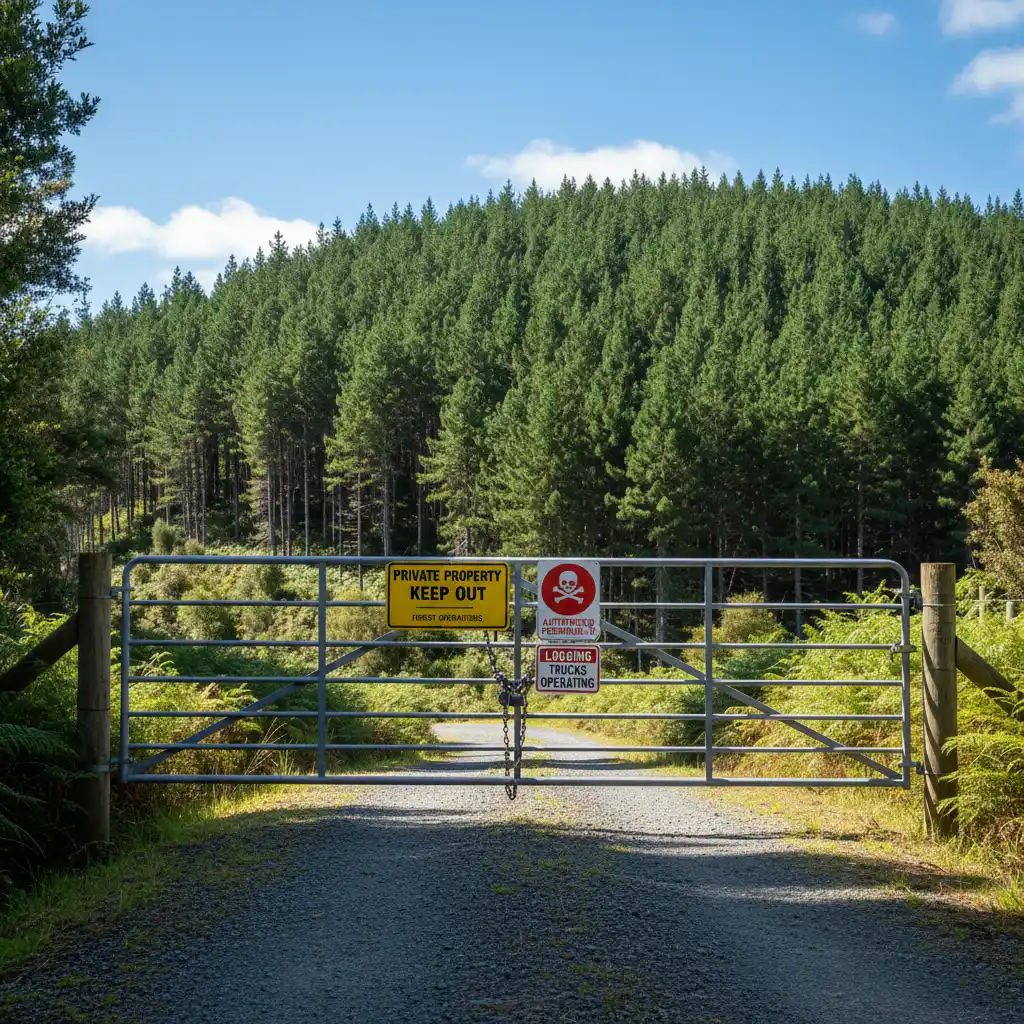
Before you even start your engine, the most critical step in your Tarawera Falls access guide is securing the necessary paperwork. Unlike many public conservation lands in New Zealand, the access road to the falls traverses private commercial forestry land managed by Māori Investments Limited. Without a permit, you cannot legally enter the forest, and you risk being trespassed or having your vehicle locked behind gates after hours.
The permit system is designed to ensure visitor safety within an active logging environment and to manage the preservation of the area. The cost is nominal—typically around $10 per vehicle—which contributes to the maintenance of the roading infrastructure and the conservation of the site.
Where to Purchase Permits
You have two primary options for obtaining your access pass, making the process relatively convenient for travelers:
- Online via MAI: Permits can be purchased directly through the Māori Investments Limited website. This is the most efficient method, allowing you to secure your code before you lose cellular reception, which is common in the forest.
- Kawerau i-SITE Visitor Information Centre: Located on Plunket Street in the heart of Kawerau, the friendly staff here can issue permits on the spot. This is an excellent option if you need updated advice on road conditions or want to grab a physical map.
Once purchased, you will receive an access code for the electronic gate. It is imperative that you note this code down or take a screenshot of it, as mobile data coverage drops off significantly once you leave the township.
Driving Directions from Kawerau
The drive to the falls is an adventure in itself, transitioning from the industrial heart of the Bay of Plenty into deep, serene native bush. Kawerau serves as the gateway to this natural wonder, and the route is well-signposted, though it requires attentive driving. If you are considering moving to the region, understanding local accessibility is key to your Relocation & Digital Nomad Lifestyle.
Step-by-Step Route
- Departing Kawerau: Head out of the town center towards Waterhouse Street via River Road. You will see signage pointing towards Tarawera Falls and Lake Tarawera.
- Entering the Forest: You will transition onto expansive forestry roads. This is where your permit is required. Look for the control gate where you will enter your access code.
- Waterfall Road: Follow the signs for “Waterfall Road.” The road surface changes from sealed tarmac to unsealed gravel. While the road is generally well-graded, it can be dusty in summer and muddy in winter.
- Arrival: The drive takes approximately 20 to 30 minutes depending on your speed and road conditions. You will arrive at the designated car park, which is equipped with toilet facilities and picnic tables.
Warning on Road Conditions: These are active logging roads. You must always expect heavy machinery, including logging trucks that take up the center of the narrow roads. Always keep your headlights on (dip beam) for visibility, drive to the left, and adhere strictly to the speed limits posted. The gravel can be loose, so avoid sudden braking or sharp cornering.
The Walking Track: Difficulty and Duration
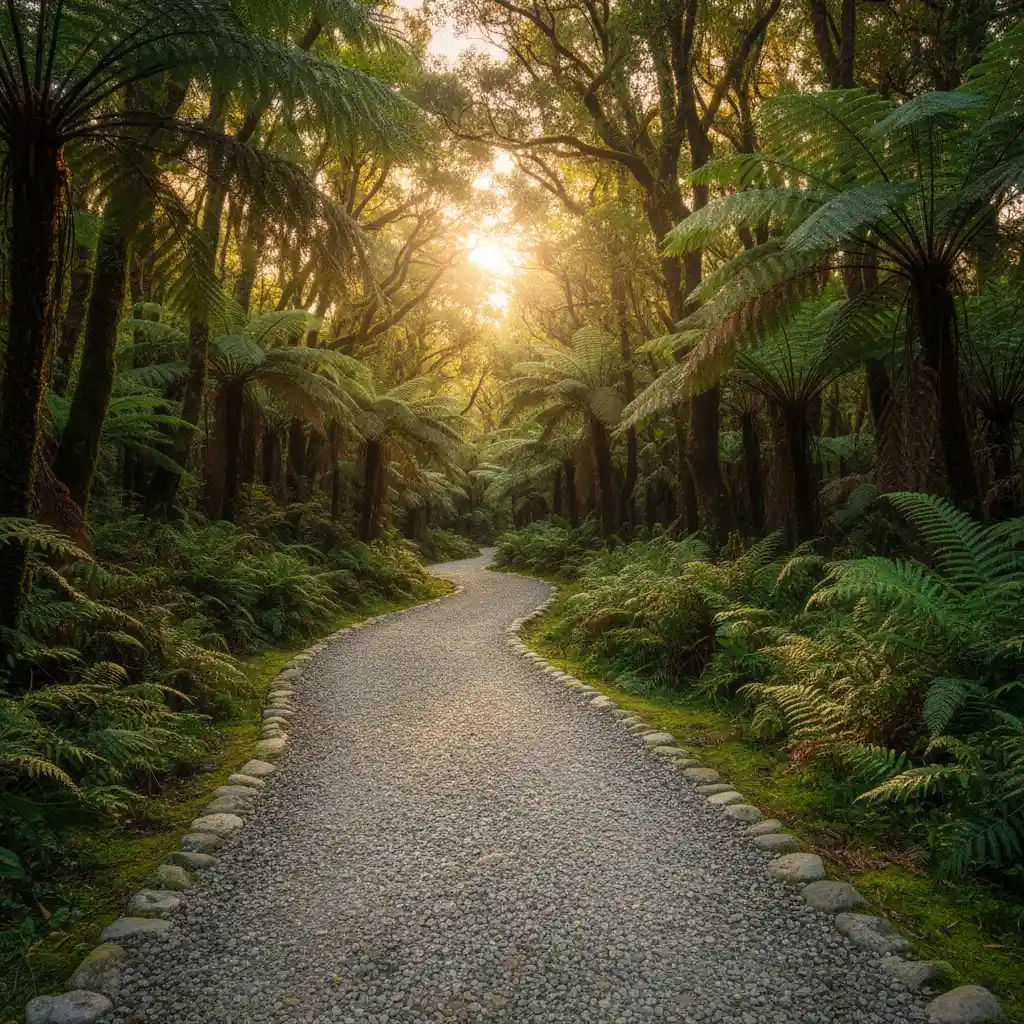
Once you have parked your vehicle, the journey continues on foot. The walk to the falls is widely regarded as one of the best short walks in the Bay of Plenty, offering a high reward for relatively low effort. For those new to the area, mastering the local tracks is part of the experience, much like learning the terrain of the Kawerau Mountain Bike Trails: A Beginner’s Guide.
Track Statistics
- Duration: 20–25 minutes (one way).
- Distance: Approximately 700 meters to the viewing area.
- Difficulty: Easy / Grade 1.
- Terrain: Well-formed dirt and gravel path, mostly flat with slight undulations.
The track winds alongside the pristine Tarawera River, characterized by its crystal-clear, blue-tinted water. The path is shaded by a canopy of native Pohutukawa, Rata, and Totara trees, providing a cool respite during the summer months. The sound of the rushing water builds anticipation as you approach the falls.
Accessibility Note
While the track is well-maintained, it is not paved. It is suitable for children and seniors with reasonable mobility. However, it is generally not considered wheelchair accessible due to tree roots and uneven gravel sections. Sturdy footwear is recommended, although sneakers are sufficient for dry days.
Why does the water come out of the cliff?
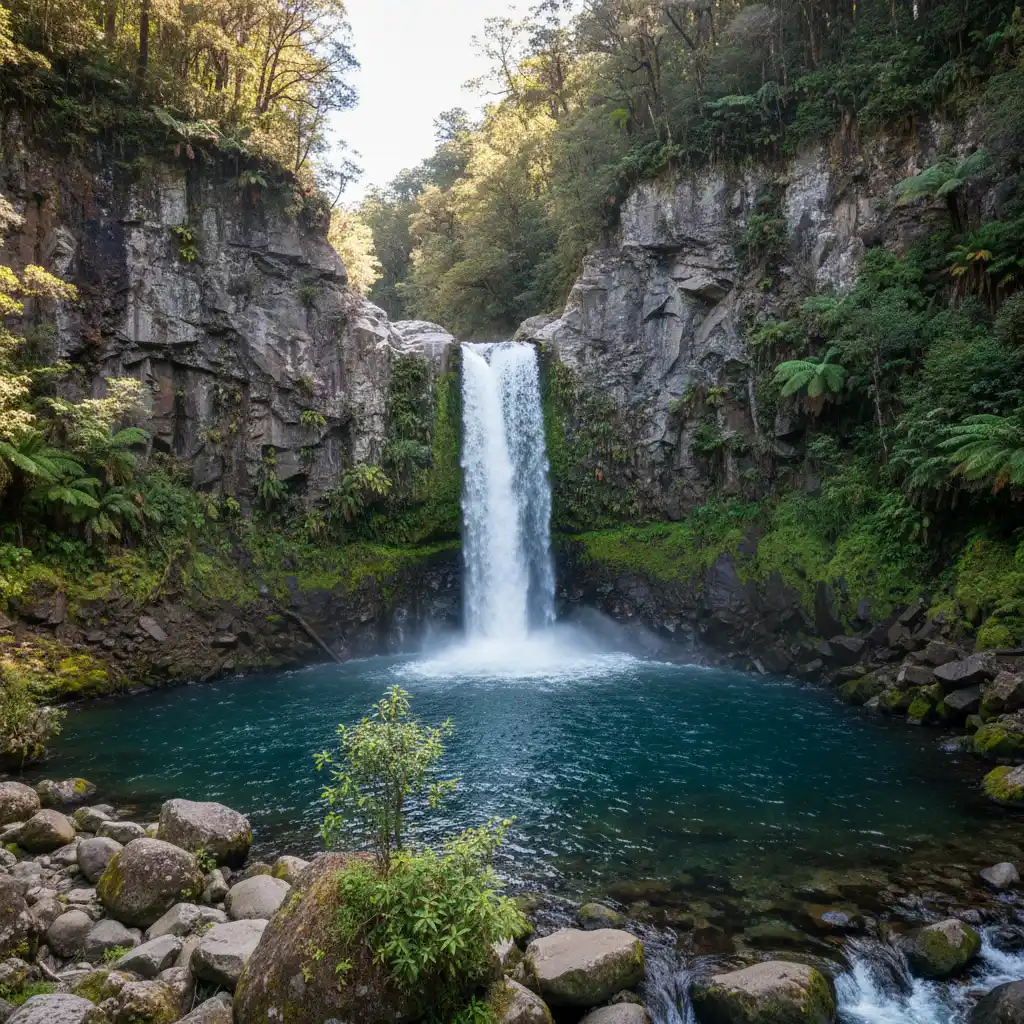
Tarawera Falls is geologically unique and fascinating. Unlike most waterfalls that flow over the top of a cliff, the Tarawera Falls emerge directly from the center of a sheer rhyolite lava cliff face. This creates a spectacular visual effect, as if the rock itself is bleeding water.
This phenomenon is the result of the region’s volatile volcanic history. The Tarawera River flows out of Lake Tarawera but disappears underground into a series of lava caves and fissures formed during ancient eruptions. The water travels through these subterranean tunnels before bursting out of the cliff face at the falls, dropping 65 meters into the pool below.
The surrounding rocks serve as a stark reminder of the 1886 Mount Tarawera eruption, which devastated the area and buried the famous Pink and White Terraces. The landscape here is a living classroom of volcanology, making it a significant site for both geological study and cultural history.
Photography Tips for the Falls
For photographers, Tarawera Falls is a dream location, but the high contrast between the white water, dark rocks, and bright sky can be challenging. To capture the majesty of the falls, consider the following technical advice.
Best Time of Day
The falls face roughly northeast. Mid-day sun can create harsh shadows and blow out the highlights in the water. The best lighting is typically found:
- Early Morning: Soft, even light that illuminates the cliff face without causing harsh glare.
- Overcast Days: Clouds act as a giant softbox, reducing contrast and allowing for richer saturation in the greens of the moss and trees.
Gear and Settings
- Tripod: Essential for long exposure shots to create that silky water effect.
- ND Filter: A Neutral Density filter is highly recommended to allow you to slow your shutter speed down (to between 0.5s and 2s) without overexposing the image.
- Polarizing Filter: This will cut the glare on the wet rocks and the surface of the river, allowing you to see into the clear blue depths of the water.
Composition Tip: Don’t just shoot the falls from the main viewing platform. Explore the lower sections of the river (safely) to include foreground elements like ferns or large boulders to add depth to your image.
Safety and Preparation Checklist
While Tarawera Falls is accessible, it is still a remote wilderness environment. Preparation is key to a safe experience. Many people underestimate the logistical differences between rural life and city living, which is something to consider when evaluating the Cost of Living Comparison between urban centers and Kawerau.
Essential Items to Pack
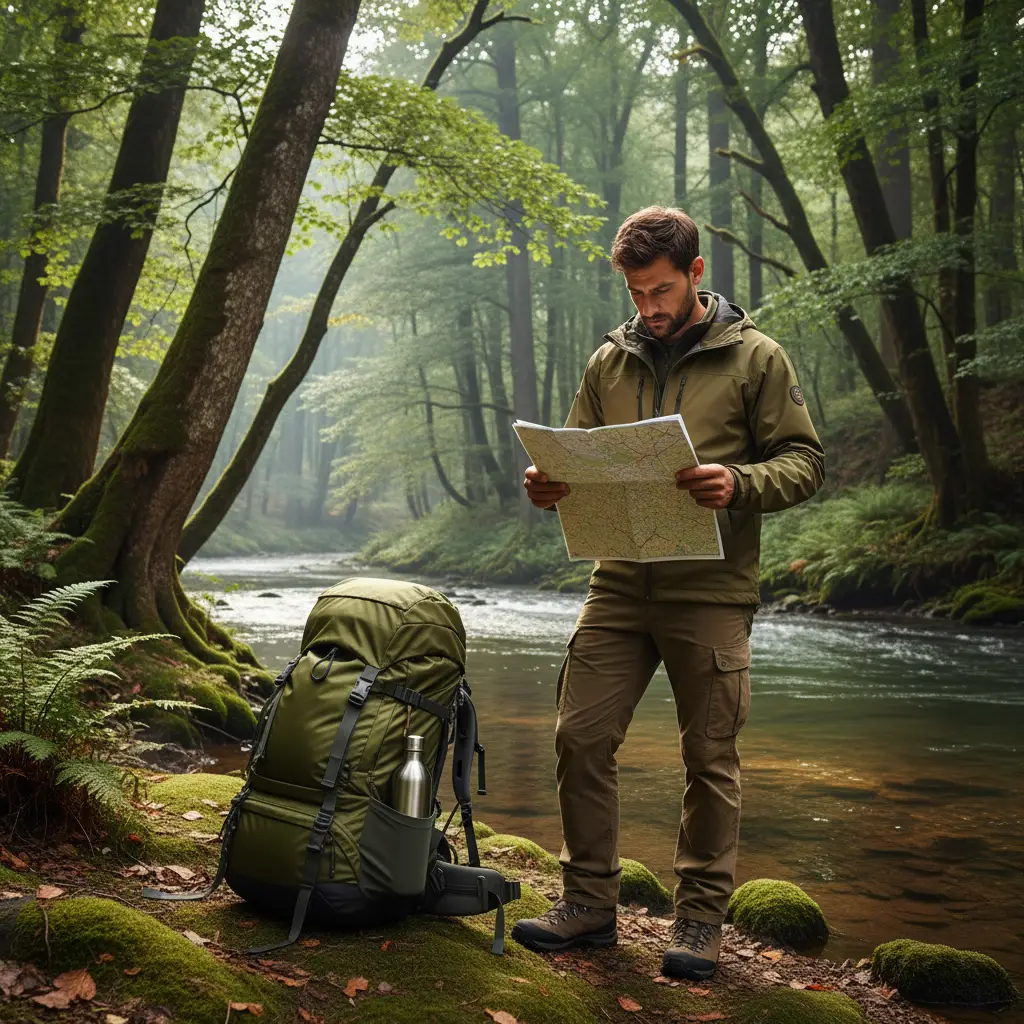
- Printed Permit/Code: Do not rely on your phone’s memory or cloud storage.
- Insect Repellent: Sandflies can be present near the water, especially in summer.
- Water and Snacks: There is no potable water supply at the falls. Bring everything you need.
- Warm Layer: The valley can be cooler than Kawerau township, especially near the spray of the falls.
Gate Closure Times
This is the most common pitfall for visitors. The forestry gates are automated and lock at specific times (usually sunset, but times vary by season). If you are locked in, a security call-out fee applies, which is significantly more expensive than the permit fee. Check the closure time on your permit and plan to be out of the forest at least 30 minutes prior.
Swimming Safety
The pool at the base of the falls is turbulent and dangerous due to strong currents and hidden rocks. Swimming directly under the falls is discouraged. However, there are calmer spots further downstream along the river near the bridge and car park area where swimming is safer. Always check the depth and current before entering.
People Also Ask
Can you swim at Tarawera Falls?
Swimming directly under the falls is dangerous due to the force of the water and underwater currents. However, there are popular and safer swimming holes located downstream near the car park and bridge area. The water is cold and clear.
Is the road to Tarawera Falls sealed?
No, the road is not fully sealed. While the initial section leaving Kawerau is paved, the majority of the drive is on private forestry gravel roads. These are generally suitable for standard cars, but drive slowly to avoid stone chips and dust.
Are dogs allowed at Tarawera Falls?
Dogs are generally allowed but must be under strict control. Because the access is through private land and near conservation areas with native birdlife (including Kiwi), it is highly recommended to keep dogs on a leash. Check the specific conditions on your permit.
How long is the walk to Tarawera Falls?
The walk from the car park to the falls viewing area takes approximately 20 minutes one way. It is a relatively flat and easy track, making the return trip roughly 40 to 45 minutes depending on how long you spend at the falls.
Do I need a 4WD to get to Tarawera Falls?
A 4WD is not strictly necessary. A standard 2WD vehicle can handle the gravel forestry roads in normal weather conditions. However, vehicles with very low ground clearance should proceed with caution.
How much does the Tarawera Falls permit cost?
As of the latest updates, the permit typically costs around $10 per vehicle. This fee goes towards the maintenance of the private roads used to access the site. Prices are subject to change, so check the Māori Investments Limited website.