
Tarawera outdoor activities encompass a premier selection of adventure sports centered in the Kawerau district, primarily featuring world-class whitewater slalom on the Tarawera River, competitive mountain running on the sacred Mt Putauaki, and extensive recreational access within the Tarawera Forest. These pursuits establish the region as a critical hub for high-adrenaline nature tourism in New Zealand.
Located in the heart of the Eastern Bay of Plenty, Kawerau has rapidly evolved from an industrial powerhouse into a celebrated destination for adventure tourism. While the town’s history is rooted in forestry and geothermal energy, its future is increasingly defined by the wild landscape that surrounds it. For enthusiasts seeking Tarawera outdoor activities, the region offers a unique blend of accessibility, technical challenge, and cultural significance that is unmatched elsewhere in the North Island.
The geography of the Tarawera valley is distinct. Fed by the crystal-clear waters of Lake Tarawera, the river cuts a path through volcanic rock and ancient forests before reaching the town, providing a stable, year-round flow that is the envy of whitewater athletes globally. Looming above is the iconic cone of Mt Putauaki, a dormant volcano that serves as both a spiritual guardian and a supreme physical test for endurance athletes.
The Tarawera River: A Hub for Whitewater Excellence
The Tarawera River is widely regarded as one of New Zealand’s finest venues for whitewater sports. Unlike many rivers that rely on seasonal rainfall, the Tarawera is lake-fed, ensuring a consistent flow and temperature throughout the year. This reliability has made Kawerau a focal point for national and international canoe slalom competitions.
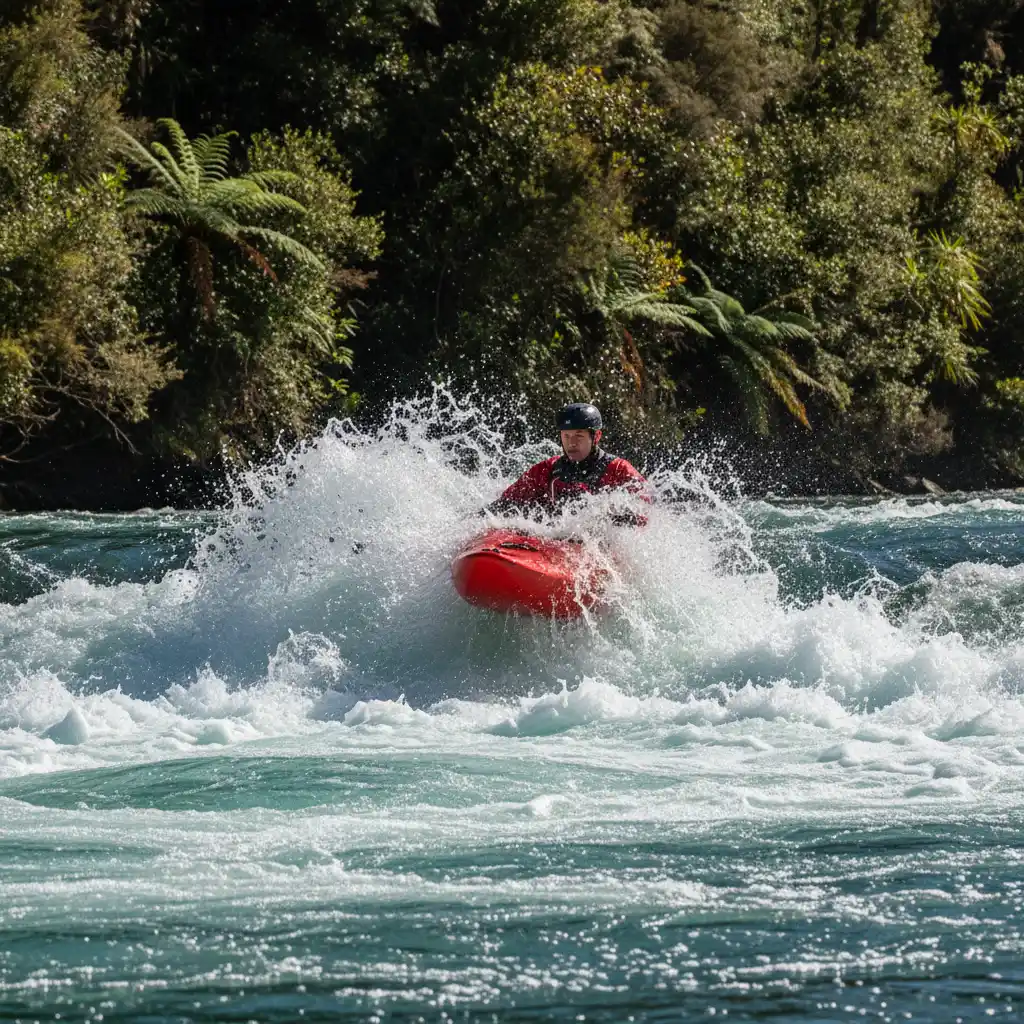
What makes the Tarawera River unique for kayakers?
The river’s unique characteristic is its accessibility and the complexity of its rapids relative to its safety. The course located at Firmin Field offers Grade 2 to Grade 3 rapids, which are ideal for intermediate paddlers looking to improve their skills, as well as elite athletes training for the Olympics. The water is technically challenging, featuring tight eddies, powerful chutes, and boulder gardens that demand precision.
Furthermore, the local geography allows spectators to view the action from the riverbanks comfortably, a rarity in whitewater sports where courses are often hidden in deep, inaccessible gorges. This “stadium” atmosphere contributes significantly to the local lifestyle hub, drawing crowds during major events like the gravity sports festivals.
Commercial Rafting and Recreational Use
Beyond competitive slalom, the river is a prime location for recreational rafting. Several operators run guided trips that take adventurers through the heart of the rapids. These excursions often combine the adrenaline of the rapids with the serenity of the calmer stretches of the river, where the focus shifts to the native flora and birdlife lining the banks. For families, the lower sections of the river offer gentler flows suitable for swimming and casual kayaking during the summer months.
Mt Putauaki: Sacred Peaks and Hiking Challenges
Dominating the skyline of Kawerau is Mt Putauaki (Mount Edgecumbe). Standing at 820 meters, this volcanic cone is not merely a geological feature; it is a site of immense cultural importance to the Ngāti Awa and Ngāti Tuwharetoa people. Understanding the cultural context is the first step in engaging with Tarawera outdoor activities in this sector.
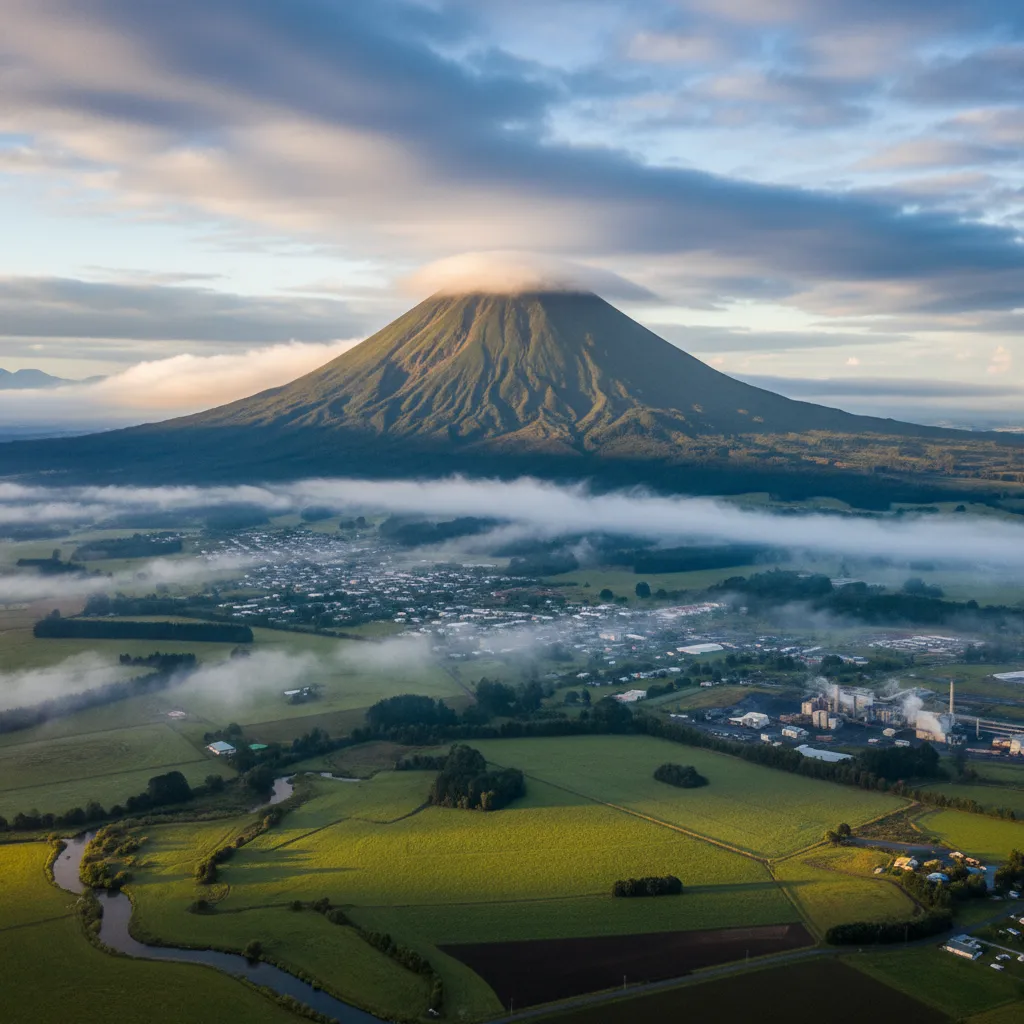
Is Mt Putauaki open to the public?
Access to Mt Putauaki is restricted and controlled to preserve its sanctity and manage safety hazards. It is not an open public park. However, access is granted for specific events and through permit arrangements managed by the Māori land trust owners. The most famous opportunity to scale the mountain is during the annual King of the Mountain race, or through arranged cultural walking groups that respect the tapu (sacredness) of the site.
The Climb: Terrain and Difficulty
For those who secure access, the climb is grueling. The track ascends rapidly, transitioning from lower forestry roads into steep, native bush tracks. The volcanic soil can be loose, and the gradient is unrelenting. Reaching the summit rewards climbers with a panoramic 360-degree view of the Bay of Plenty, stretching from the smoking White Island (Whakaari) in the ocean to the peaks of the central plateau. Inside the main crater, a small lake adds to the mystical atmosphere of the summit.
Gravity Sports and the Kawerau King of the Mountain
Kawerau has branded itself effectively as a capital for gravity sports—activities that rely on elevation and descent. This niche market is a key driver for regional growth, attracting a demographic of thrill-seekers that supports local hospitality and accommodation sectors.
The King of the Mountain Race
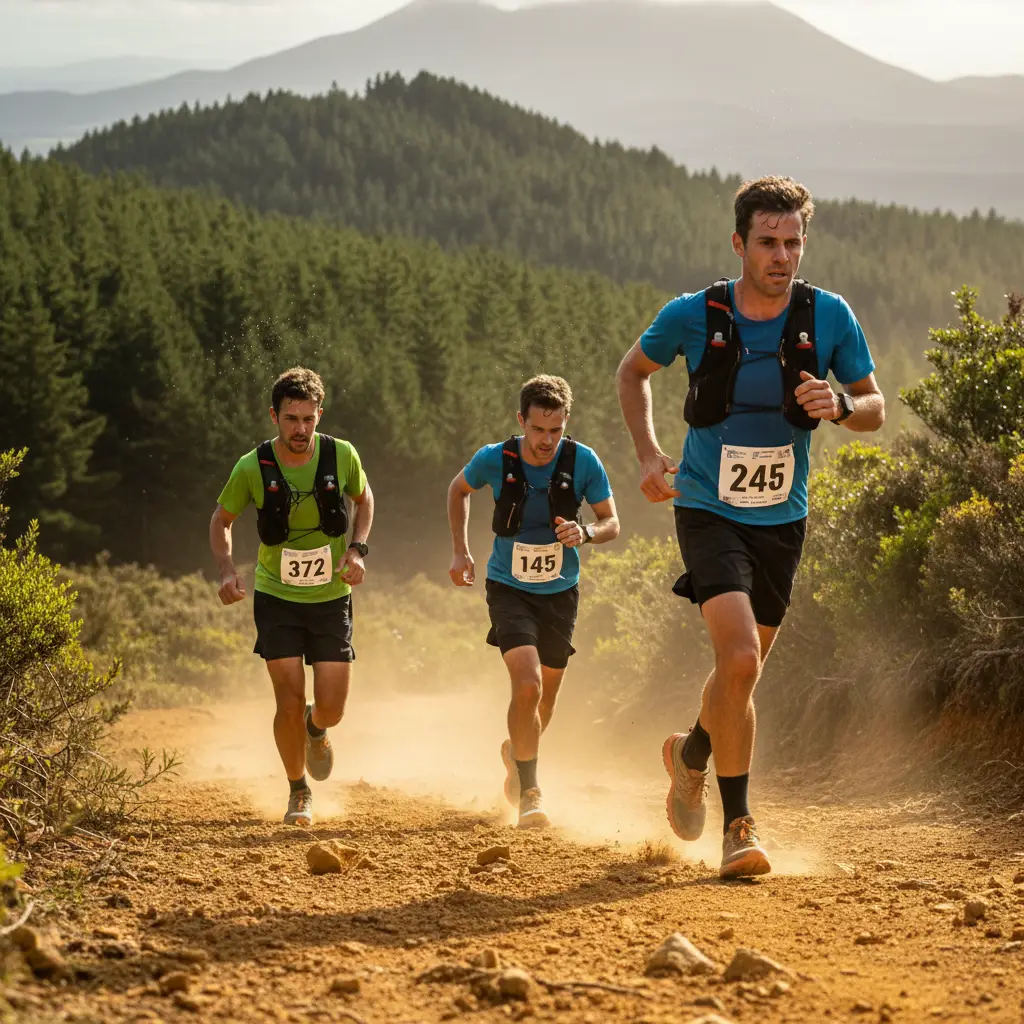
The crown jewel of Kawerau’s sporting calendar is the King of the Mountain race. Held annually, this event challenges runners to ascend and descend Mt Putauaki in the fastest possible time. The course is approximately 8km long but involves a vertical climb that tests the limits of human endurance.
Completing the race in under an hour is the benchmark for elite status. The descent is particularly perilous, often described as a “controlled fall,” where runners sprint down steep scree slopes and forest trails. This event encapsulates the spirit of the region: rugged, challenging, and community-focused. There is also a “Prince and Princess of the Mountain” race, fostering a love for trail running in the younger generation.
Mountain Biking and Gravity Parks
While the mountain run is historic, the region is also expanding into mountain biking. The forestry roads and firebreaks within the Tarawera Forest provide miles of potential riding. Local clubs and the council are actively working on developing dedicated trails that utilize the natural elevation drops of the valley walls. Currently, gravel riding and cross-country explorations are the primary biking activities, with riders needing to be aware of active forestry operations.
Exploring the Tarawera Forest: Falls and Trails
The Tarawera Forest, managed largely for timber, also hides some of New Zealand’s most spectacular natural features. Accessing these areas requires knowledge of the forestry road network, but the rewards are substantial.
Tarawera Falls
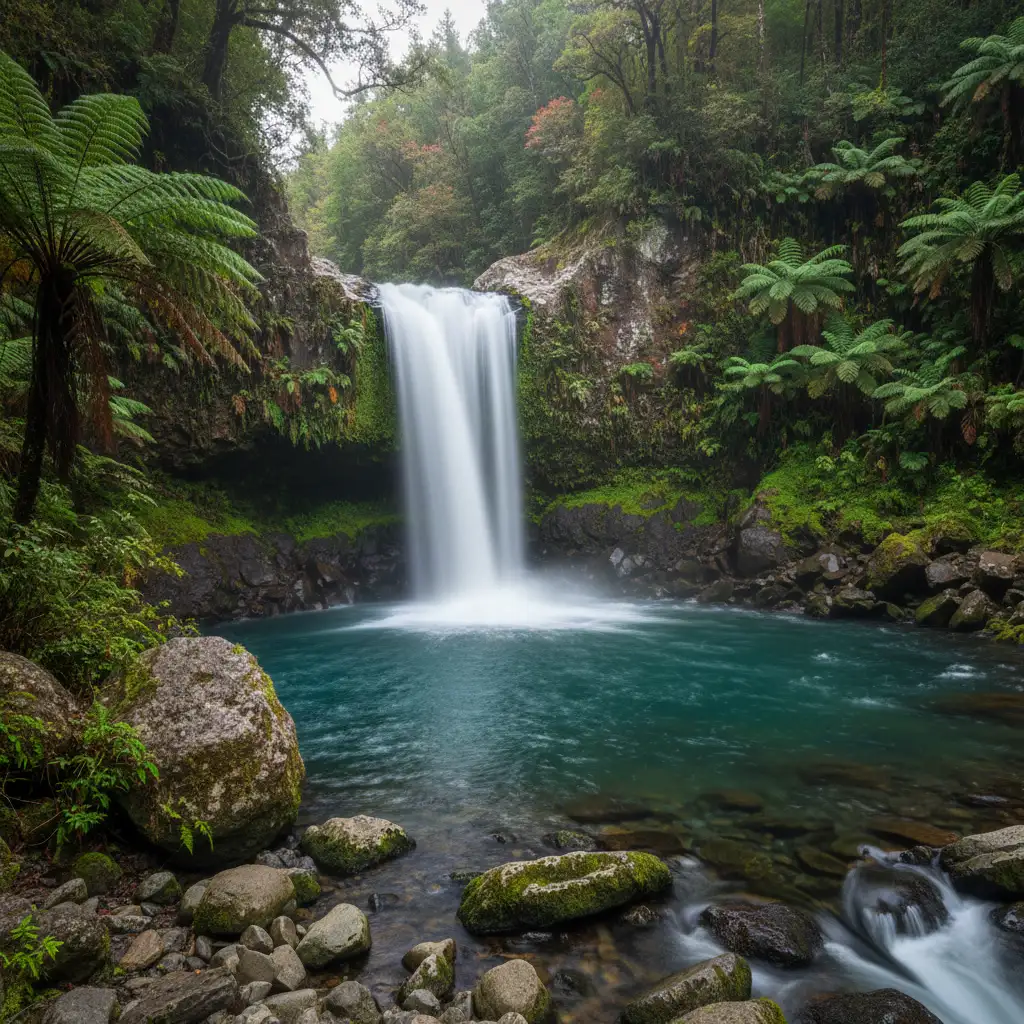
Although technically accessed often via the Kawerau side, the Tarawera Falls are a must-see. The river plunges 65 meters down a sheer cliff face, appearing to burst directly out of the rock itself—a result of the water flowing through underground lava tubes before exiting the cliff. The walk to the falls is one of the most scenic Tarawera outdoor activities available, featuring native pōhutukawa trees and crystal-clear swimming holes.
Hunting and Fishing
The forest and river system is a rich resource for sportsmen. The Tarawera River holds populations of Rainbow and Brown Trout. While the lower reaches near the town can be warm, the upper reaches near the falls offer cool, oxygenated water where trout thrive. Fly fishing here is technical due to the riparian vegetation, but highly rewarding.
Hunting for pigs and deer is also a popular pursuit in the designated blocks of the forest. This is strictly regulated. Hunters must obtain permits from the forest managers (often Hancock Forest Management or local Māori trusts) and adhere to strict safety protocols, as this is a working forest with heavy machinery and other recreational users.
Accessing the Wild: Permits and Local Regulations
One of the most critical aspects of planning Tarawera outdoor activities is understanding that much of the land is privately owned Māori land or commercially leased forestry. Unlike national parks, “freedom to roam” does not apply everywhere.
How do I get a permit for Tarawera Forest?
Permits are required for vehicle access into the Tarawera Forest. These can typically be purchased from the Kawerau i-SITE Visitor Information Centre. The permit ensures that visitors are tracked for safety reasons and are aware of any logging operations that might close specific roads. The cost is nominal, usually covering road maintenance and administration.
Safety and Conduct
- Logging Trucks: The forest roads are highways for massive logging trucks. They have the right of way. Visitors must drive with headlights on and keep to the left at all times.
- Fire Danger: In summer, the fire risk can be extreme. A “Prohibited Fire Season” is often in force, meaning no campfires or gas cookers in unauthorized areas.
- Respect: When accessing areas near Mt Putauaki or other wāhi tapu (sacred places), visitors are expected to treat the land with respect—carry out all rubbish and stay on marked tracks.
Seasonal Guide to Tarawera Adventures
To maximize your experience, it is essential to time your visit according to the activity you wish to pursue.
Summer (December – February)
This is the peak season for whitewater sports and swimming. The river temperature is refreshing, and the days are long. It is also the best time for hiking to the Tarawera Falls. However, fire risks may close certain parts of the forest.
Autumn (March – May)
Autumn offers stable weather and cooler temperatures, making it ideal for the grueling climb up Mt Putauaki (if permits allow) or long-distance trail running. The changing foliage, although largely evergreen native bush and pine, offers crisp mornings perfect for fishing.
Winter (June – August)
While the river remains flow-stable, it is cold. Wetsuits are mandatory for kayaking. Winter is often preferred by hunters and those looking for solitude in the forest. The mist hanging over the river creates a moody, atmospheric environment for photographers.
Spring (September – November)
Spring brings higher water levels in tributaries and active wildlife. It is a prime time for trout fishing as the fish move and feed aggressively. The forest is vibrant, though rain can make clay tracks slippery for vehicles and hikers.
People Also Ask
Do I need a permit to visit Tarawera Falls?
Yes, if you are driving to the Tarawera Falls carpark, you need an access permit for the private forestry roads. These can be purchased from the Kawerau i-SITE. Walking access from certain points may not require a vehicle permit, but driving is the standard method of entry.
Can beginners kayak on the Tarawera River?
Yes, but it depends on the section of the river. The slalom course area has Grade 2-3 rapids which require some experience or a guide. However, the lower sections of the river downstream from Kawerau are much calmer and suitable for beginners and recreational paddling.
How long does it take to climb Mt Putauaki?
For a fit hiker, the ascent typically takes between 1.5 to 2.5 hours, with a similar time for the descent. During the King of the Mountain race, elite runners complete the entire up-and-down course in under 50 minutes, but this is exceptional.
Is there camping available in the Tarawera Forest?
Camping is generally restricted to designated areas such as the Department of Conservation campsite at the Tarawera Outlet (Te Tapahoro). Unauthorized freedom camping within the commercial forest blocks is strictly prohibited due to fire risk and safety concerns.
What is the best time of year for trout fishing in Tarawera?
Trout fishing is productive year-round, but late autumn and early winter are often cited as peak times for spawning runs in the tributaries. Spring is also excellent for fly fishing as insect activity increases and fish become more active.
Are there mountain biking trails in Kawerau?
Yes, Kawerau has a growing network of trails. There are forestry roads suitable for gravel biking and specific tracks developed for events. It is best to check with the local mountain biking club or the i-SITE for the most current map of open and safe trails.